
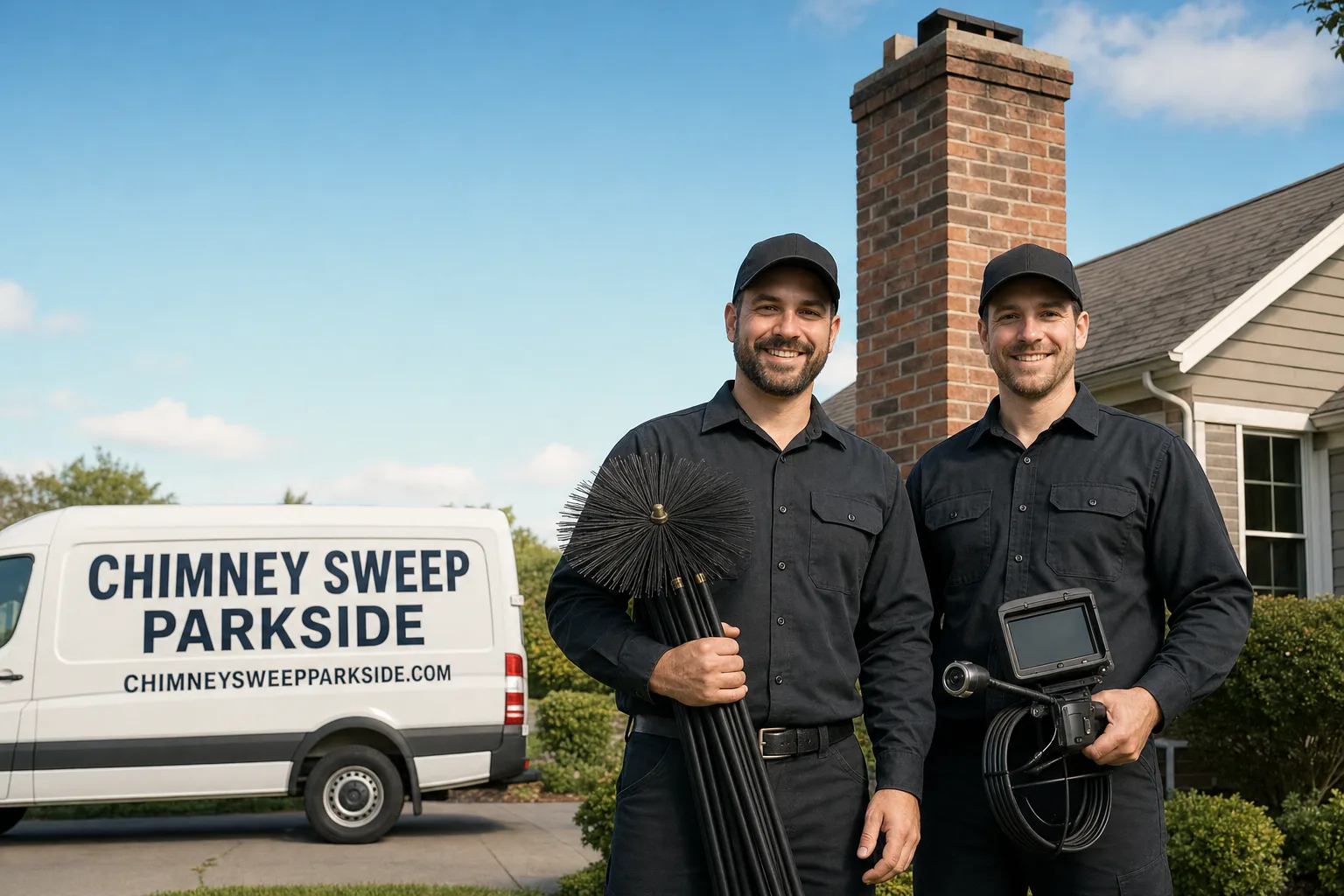
 Sweep & inspection
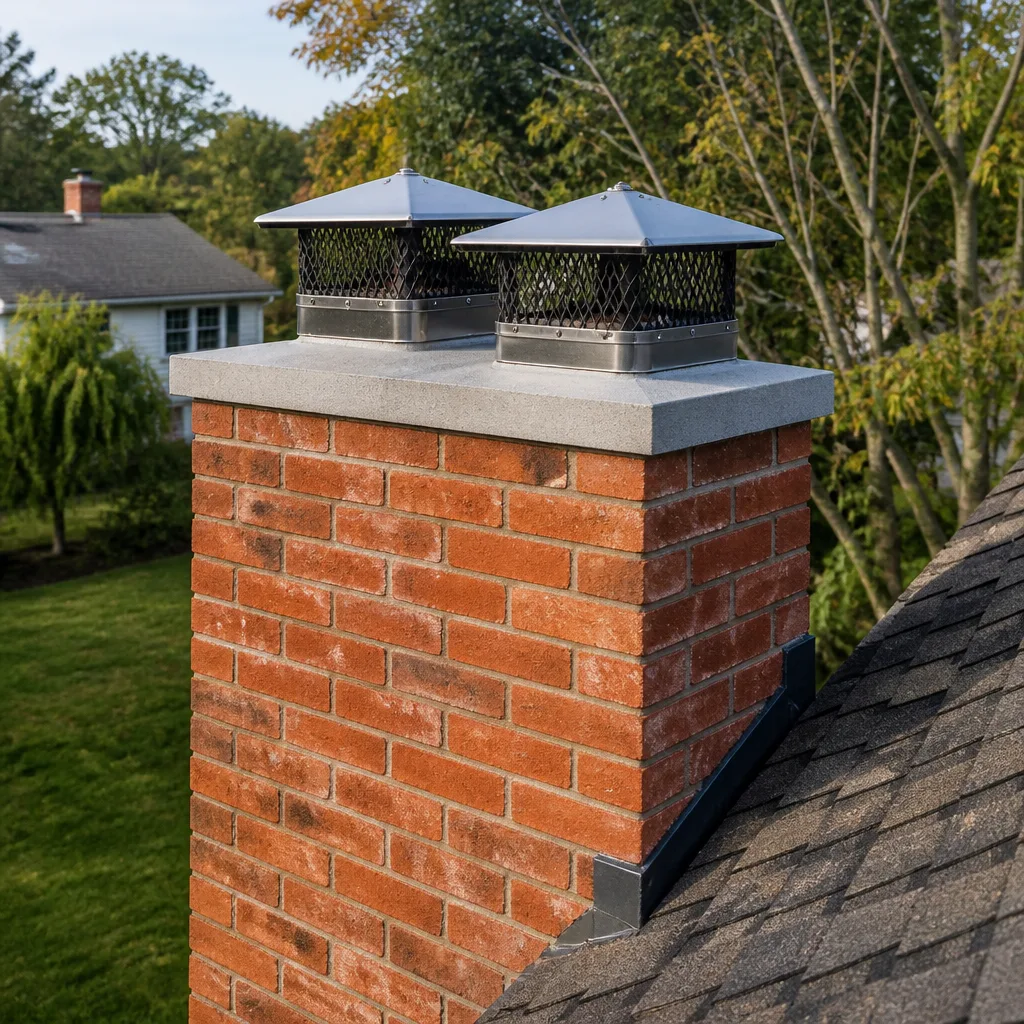 Caps & crowns
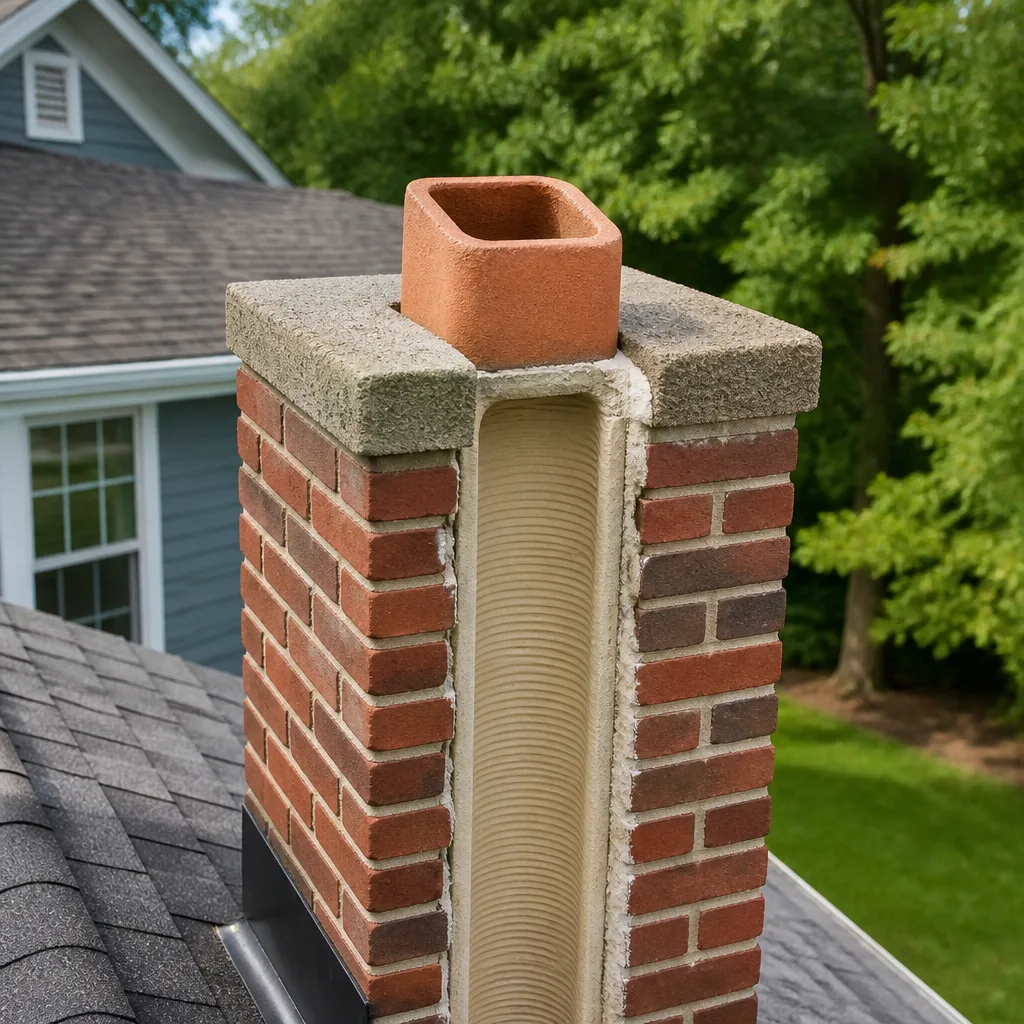 Flue relining
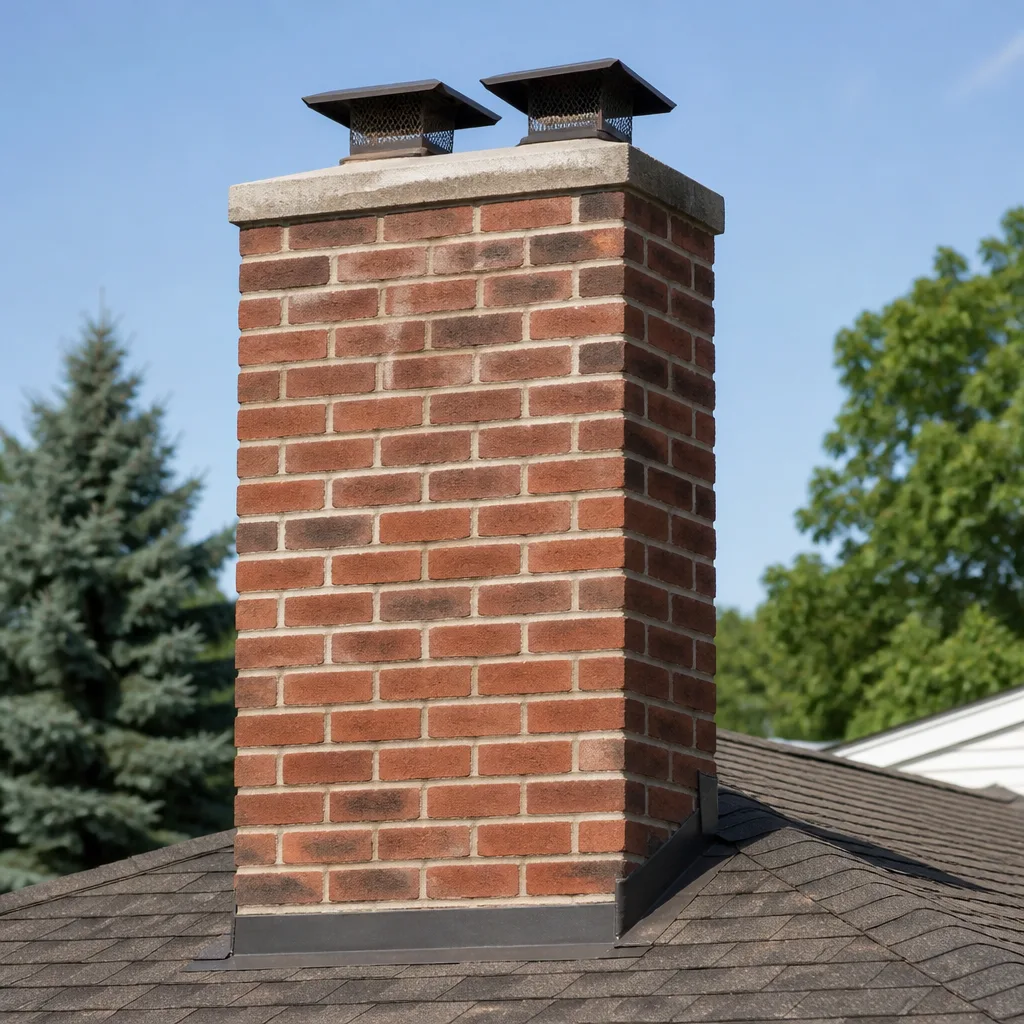 Masonry repair
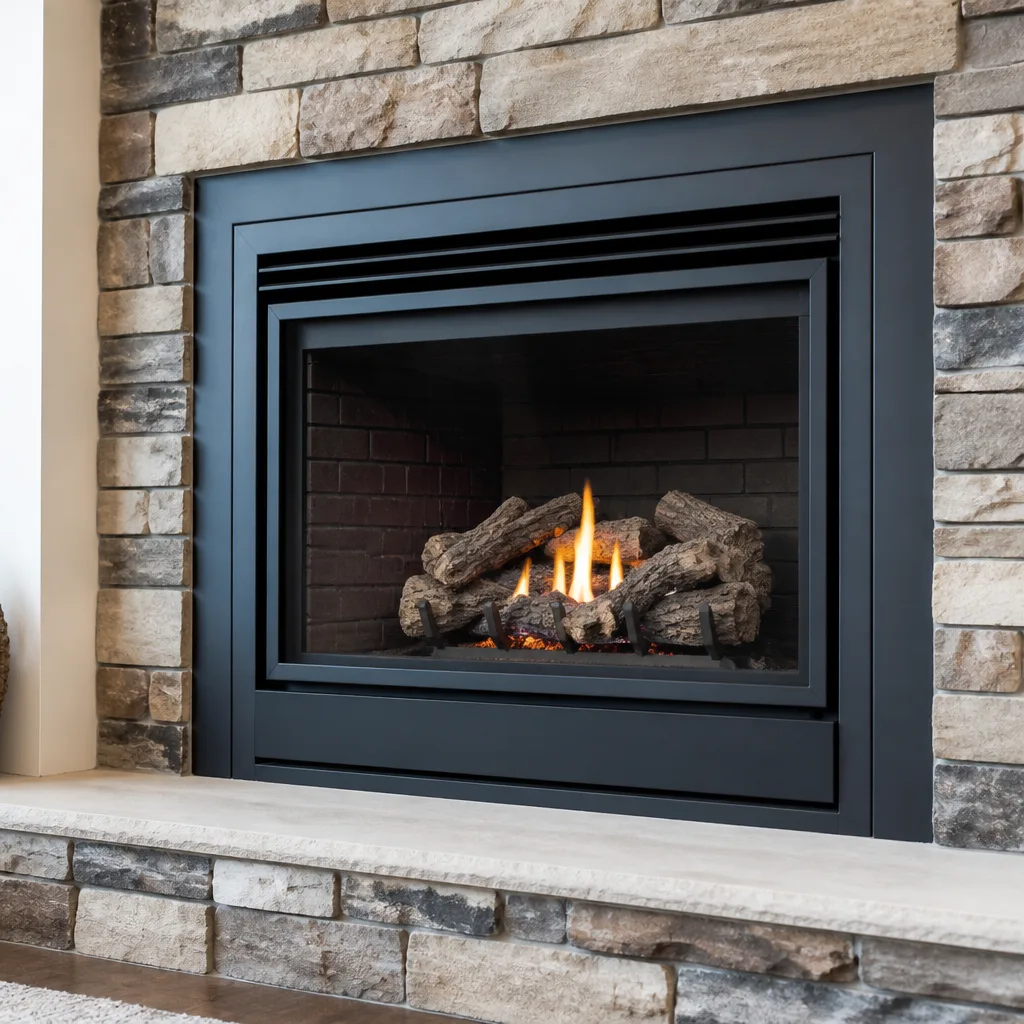 Gas fireplace service
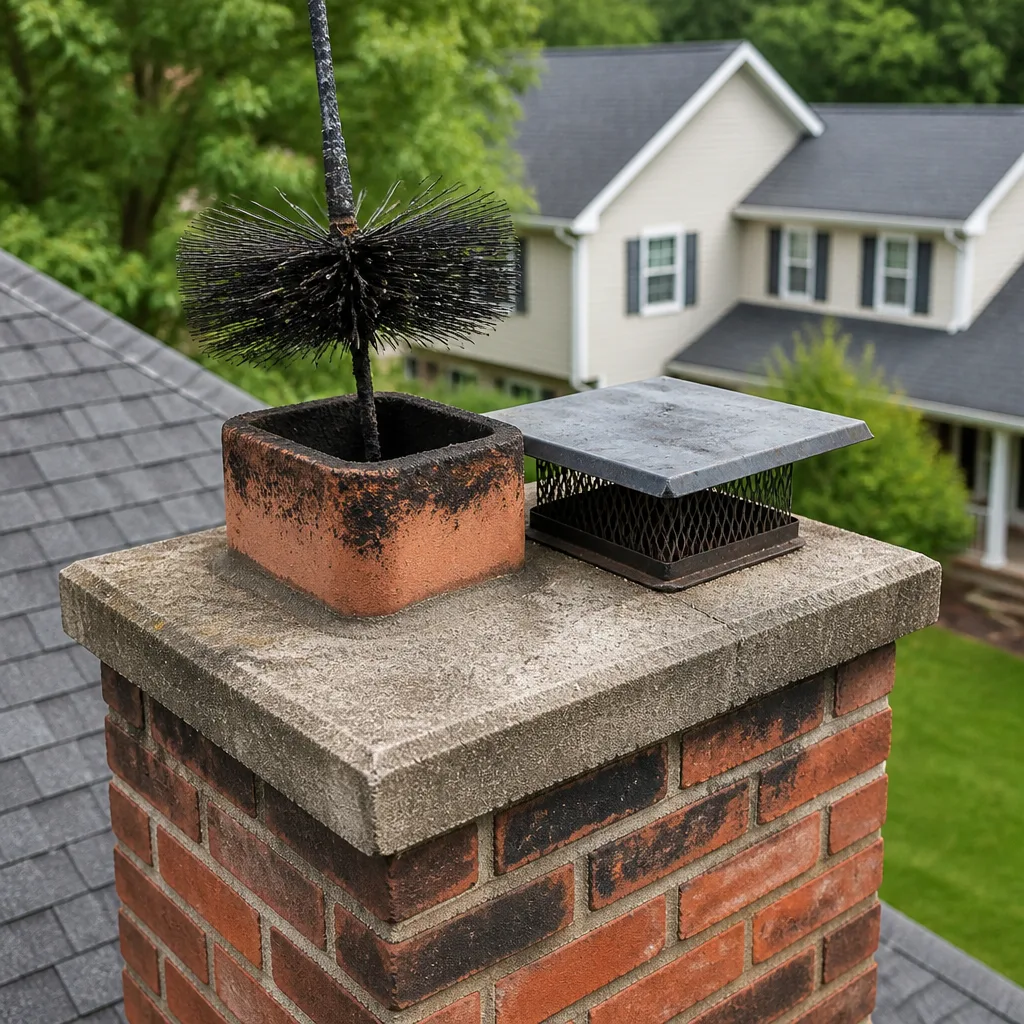
Level 1 sweep and inspection to the NFPA 211 annual standard - flue, crown, cap, and flashing checked and photographed
Chimney sweep logs do not sweep chimneys. They loosen some creosote - which then falls where a brush and vacuum still have to collect it.
Fast, Reliable Fireplace Repair Across Central Park
Fireplace repair in Central Park, NY most often means one thing: an old chimney finally asking for attention. Nearly every house here went up before 1930, and the fireplace inside it was built for coal, not for the wood fires or gas inserts people run today. Those years catch up as cracked mortar, seized dampers, and smoke that won’t go up the way it should. We work on chimneys and fireplaces – nothing else – so a firebox that’s spalling or a flue that’s lost its seal lands with technicians who read old brick fluently rather than guessing at it.
Call our fireplace repair team at (877) 770-1394. We answer 24/7, with fast dispatch from 7am to 7pm, Sunday through Friday. The estimate is free, and the written estimate you get is what the price is set by.
Why Central Park Homeowners Call Chimney Sweep Parkside for Fireplace Repair
Central Park’s housing stock is dominated by late 19th- and early 20th-century two- and three-story frame and brick homes, often with original brick chimneys that have multiple flue tiles, parged interiors, and no modern liner. Many were built for coal heat and later converted to gas, which leaves heavy soot and creosote behind and stacks that were never designed for the appliance now venting into them. That combination is where the industry’s worst upselling happens, and it’s exactly where we slow down.
Our technicians have up to 11 years of experience reading flues of this age. We work with professional-grade components from DuraFlex, Olympia Chimney, and Copperfield, and our HeatShield liner resurfacing capability lets us restore a deteriorating flue interior rather than default to a full tear-out. We also book inspection as a standalone service, so a home buyer or seller in Central Park can get a real assessment on record without committing to any repair.
Nothing gets recommended here without camera evidence you can watch for yourself. That’s the whole standard. If the clay tiles are sound and the firebox just needs repointing, that’s what we’ll tell you – and we’ll say plainly when work can safely wait a season. A chimney that’s fine is a chimney we leave alone.
Styles & brands we work with
- Sweep & inspection
- Caps & crowns
- Flue relining
- Masonry repair
- Gas fireplace service
Our Fireplace Repair Services in Central Park
Firebox Repair
Spalling firebox brick is the repair we see most in Central Park, and it usually traces back to moisture. Freeze-thaw cycles push water through unlined clay flues, the mortar joints fail, and brick behind the firebox starts to flake and crumble. We rebuild with refractory mortar sized for the heat, and we show you the camera footage behind the firebox before anything gets replaced.
Damper Repair
A damper that won’t seat lets heated air escape up the flue and smoke drift back into the room. In these homes the mechanism has spent decades working through coal-era soot and humidity, so it seizes or rusts shut. We reset or replace the damper so draft control comes back, and we check that the frame seals against the firebox rather than just moving freely.
Wood Burning Fireplace Repair
Original wood-burning fireplaces in a pre-1930 Central Park home often carry cracked firebrick, loose mortar, and unsealed coal thimbles embedded in the chimney breast. We address all three: repointing the masonry, sealing or properly repurposing the old thimble penetrations, and recommending a flue liner only when the tiles show cracking on camera.
Gas Fireplace Repair
Many Central Park conversions vent a gas appliance into a stack built for coal, which changes what the flue needs. We check the venting path and the firebox condition before touching the burner side, because a gas fireplace that looks fine can be sitting on masonry that isn’t. Pilot light problems we hand off to a licensed gas technician, since gas work isn’t something we take on ourselves.
Trusted Brands We Service in Central Park
We install and work with professional-grade product lines – DuraFlex, Olympia Chimney, Famco, and Copperfield among them – the same materials used by certified chimney professionals nationwide, not big-box substitutes. We don’t claim a local parts warehouse or stocked trucks, and we won’t pretend otherwise. What matters more in a neighborhood full of odd flue dimensions is that we measure, order the correct component for your stack, and handle cap, crown, and chase cover work in-house with Famco and Gelco parts so the repair closes the gap instead of leaving one.
Common Fireplace Repair Problems We See in Central Park Homes
- Spalling firebox brick from freeze-thaw moisture. Lake-effect snowmelt works into unlined clay flues, and the freeze-thaw cycles split brick faces and mortar joints behind the firebox. That failure lets smoke leak into the room even when the damper is open, so it reads as a draft problem when it’s really masonry.
- Dampers seized or rusted from coal-era soot and humidity. The mechanism simply stops sealing. You lose draft control, heated air escapes up the flue, and the fire burns unevenly until the damper is reset or replaced.
- Original coal thimbles left unsealed in the chimney breast. These relics create hidden pathways – creosote collects in them, or a gas appliance can vent into a living space through a penetration nobody sealed. Repair here has to close or properly repurpose them.
- Mature tree canopy clogging caps and spark arrestors. The elms and maples that shade these blocks drop leaves and debris into caps year-round. Blocked caps restrict draft and trap moisture, so the assessment belongs before each heating season, not after smoke shows up.
See the difference
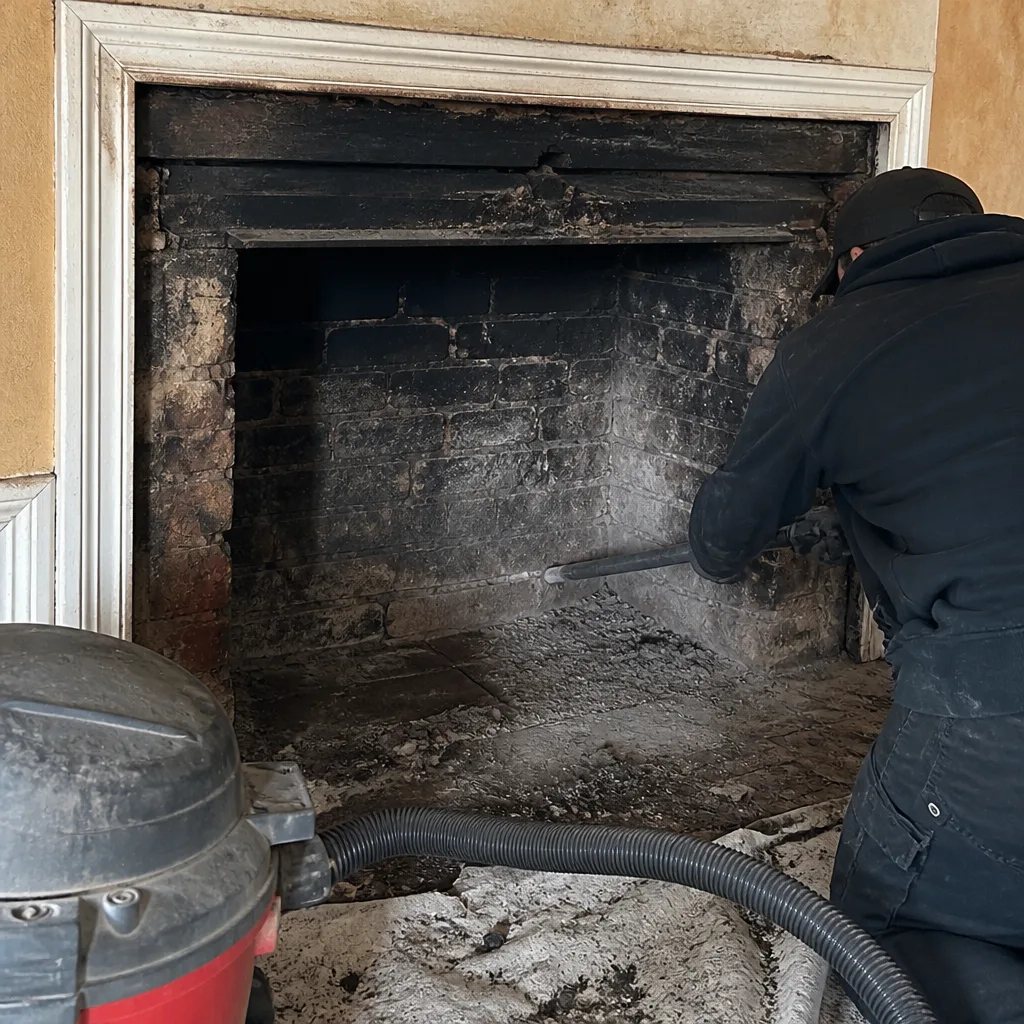 Before
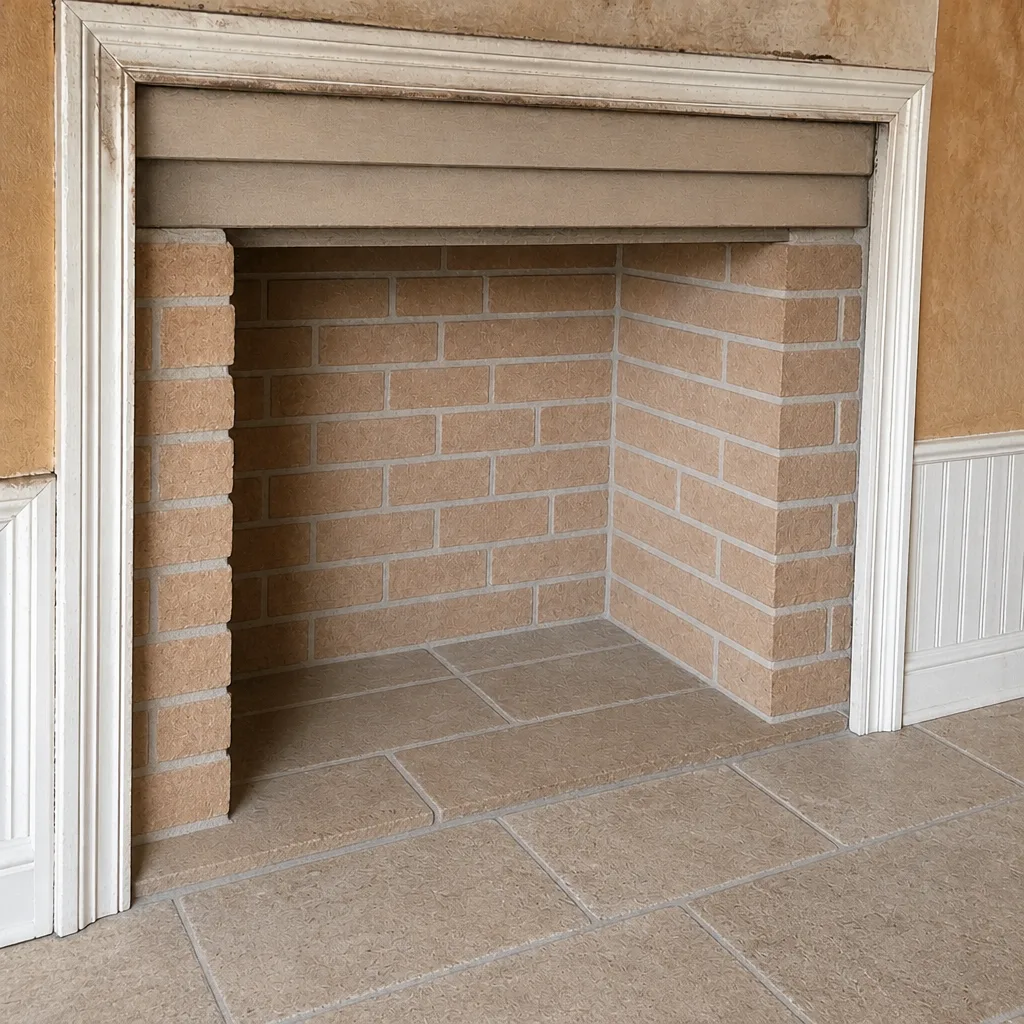 After
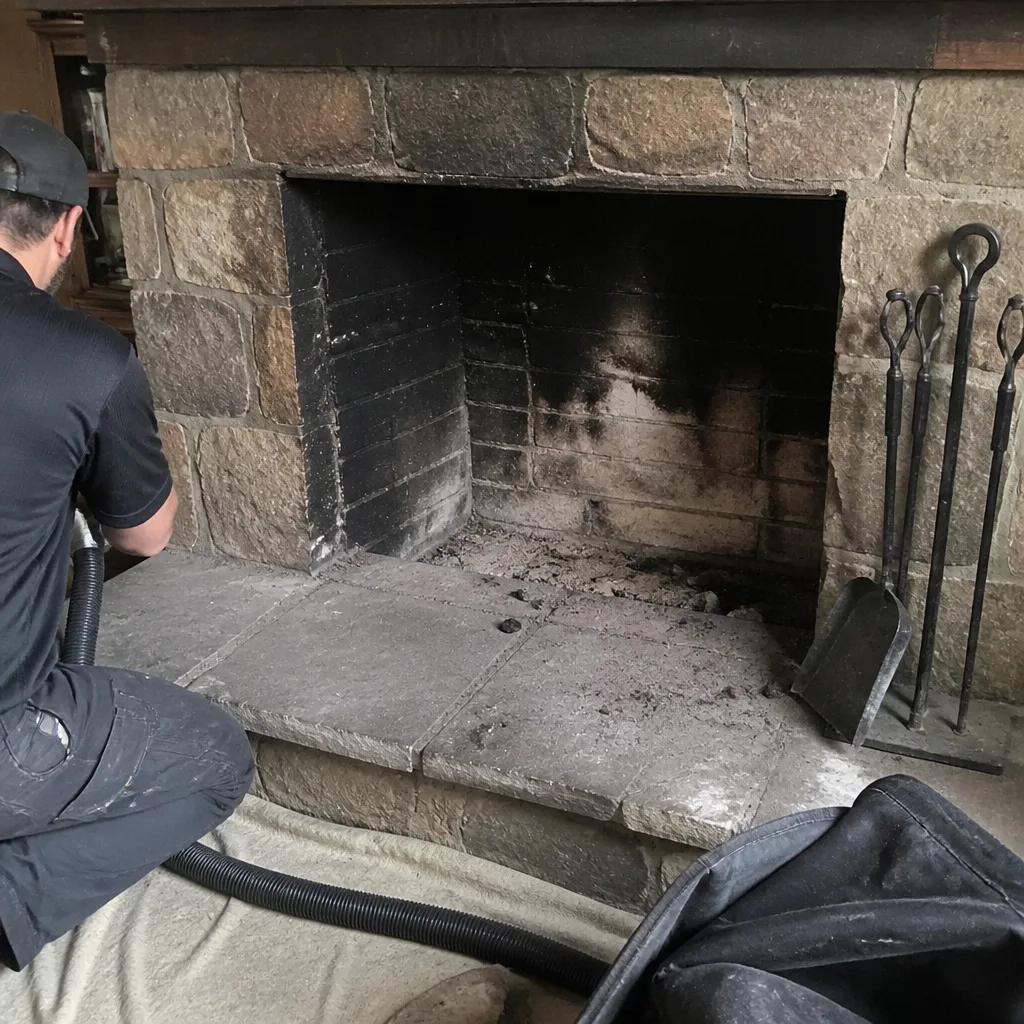 Before
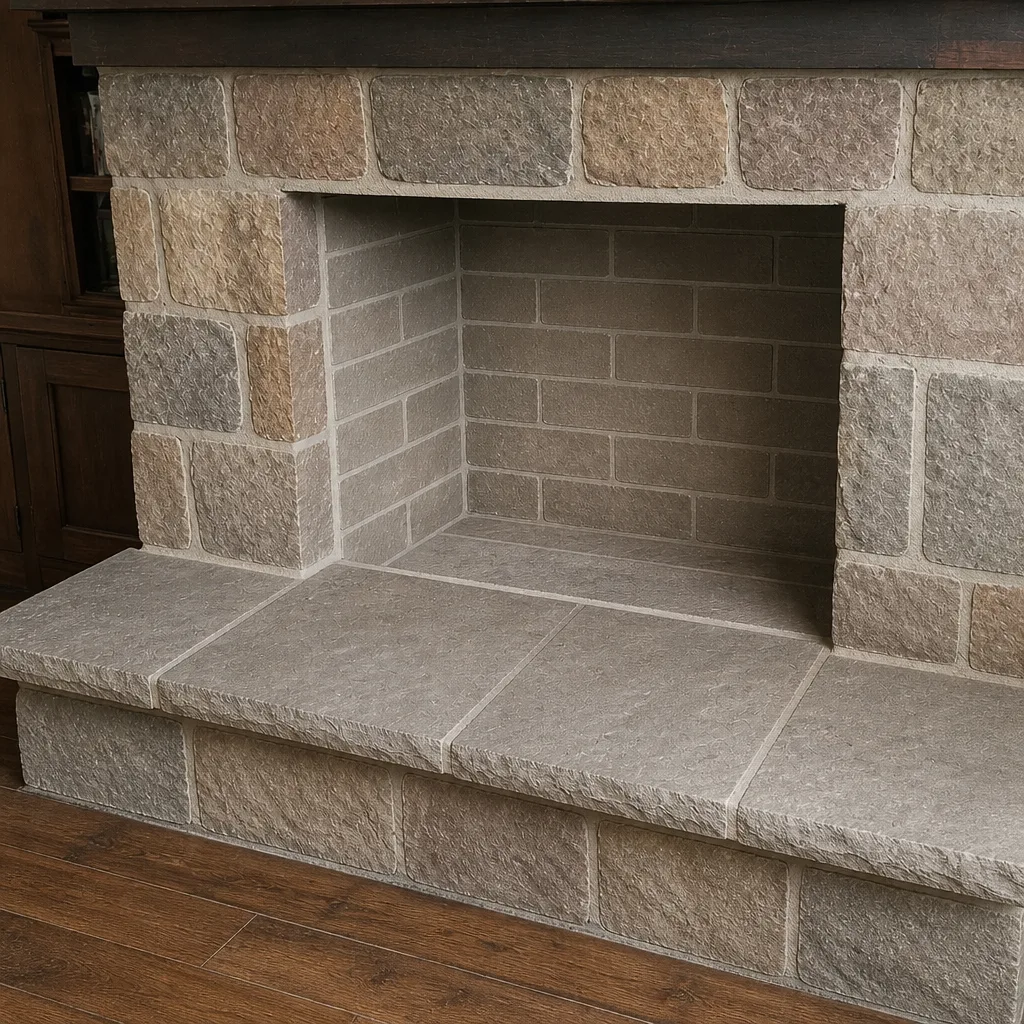 After
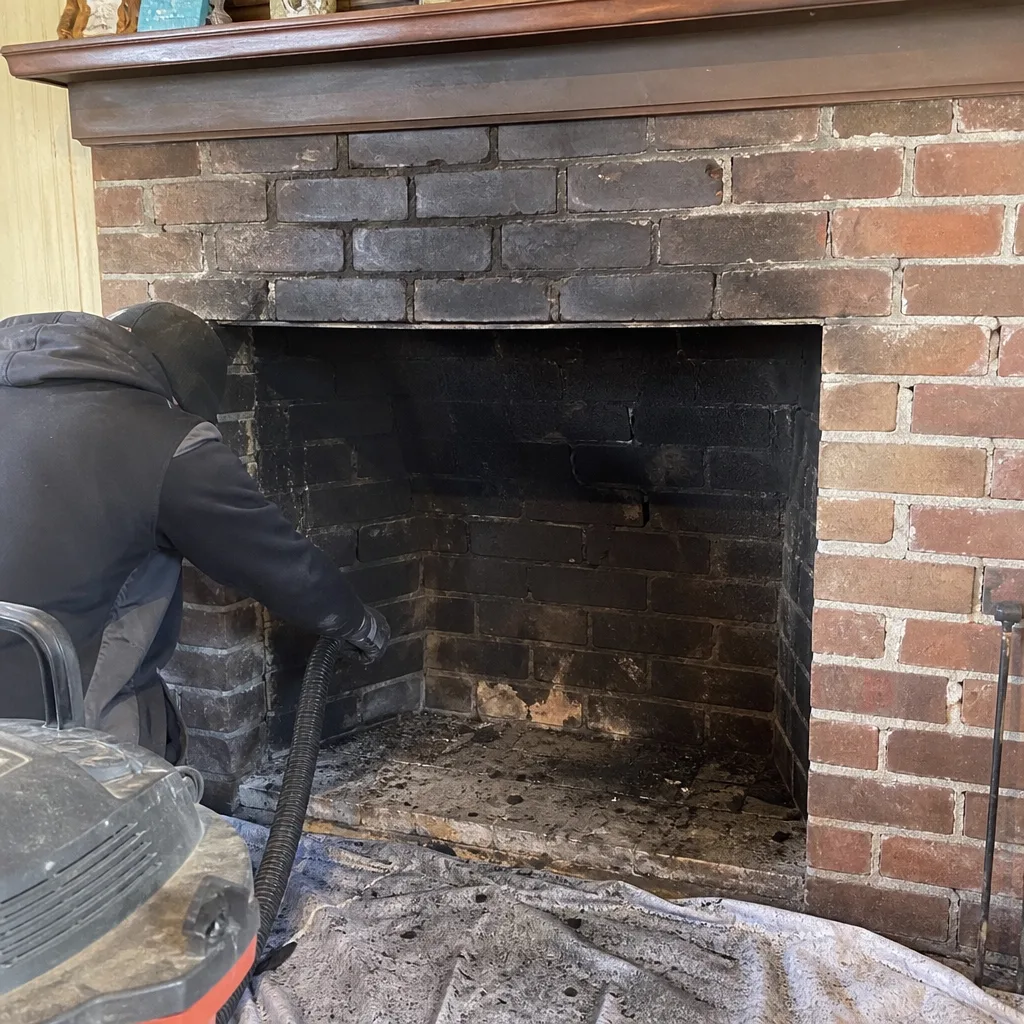 Before
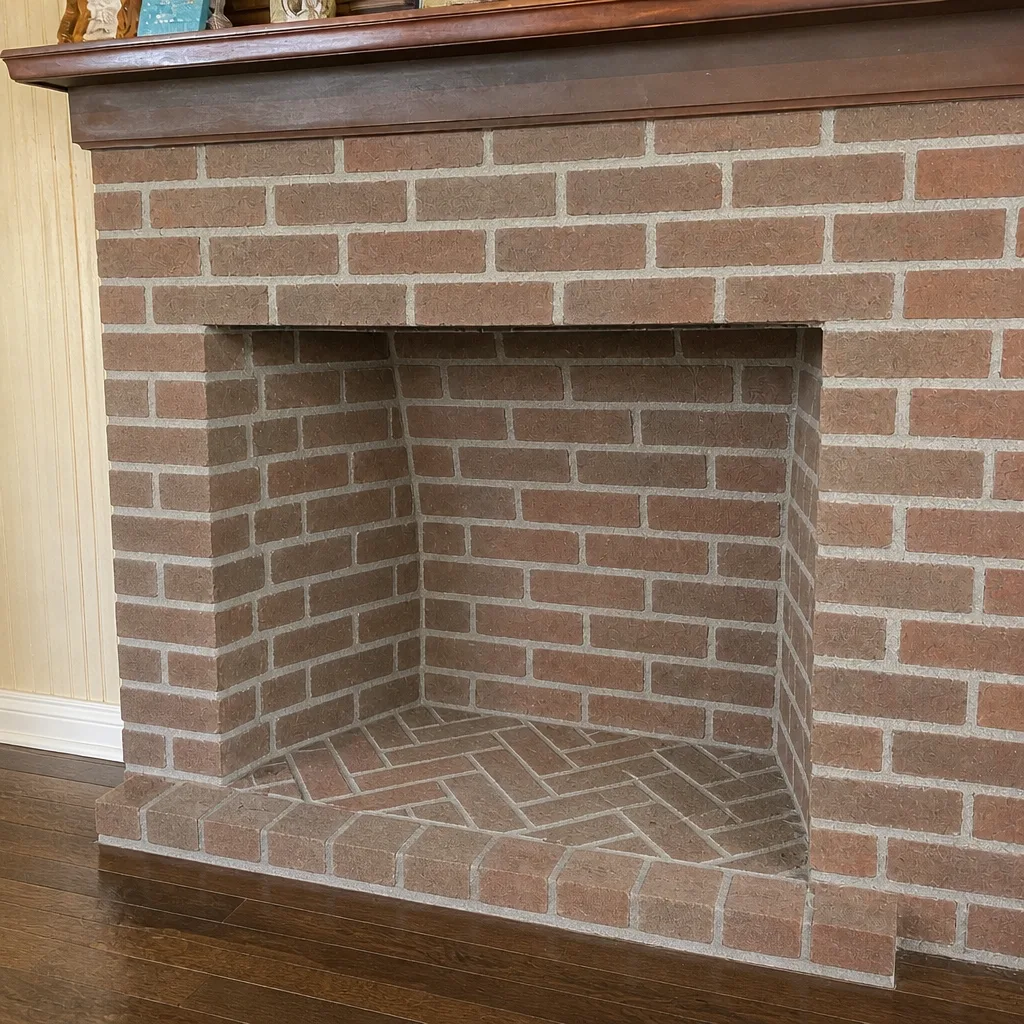 After
Pricing for Fireplace Repair in Central Park, NY
Fireplace repair in Central Park typically runs from roughly $300 for a damper reset or repointing job up to $1,800 or more for a firebox rebuild with refractory mortar, and a HeatShield flue resurfacing commonly falls in the $1,200 to $2,500 range depending on flue length and how much interior is deteriorated. A straightforward inspection to find out what’s actually wrong starts the process. What moves the number is flue length, how far the spalling runs, whether the damper can be reset or has to be replaced, and whether the tiles are cracked underneath.
Each price is an estimate, and the written estimate sets the final figure. Nothing gets authorized without camera evidence you can see.
| Repair | Typical range in Central Park |
|---|---|
| Damper reset or replacement | $300 – $750 |
| Firebox repointing or rebuild | $600 – $1,800+ |
| HeatShield flue resurfacing | $1,200 – $2,500 |
| Coal thimble sealing | $250 – $600 |
Why Central Park’s Old Chimneys Need a Different Kind of Repair
Central Park in Buffalo (ZIP 14214) is a historic Fredrick Law Olmsted-designed neighborhood, and that history sits inside the masonry. Nearly every home predates 1930 and still relies on its original masonry chimney, so the work here is less about modern maintenance and more about preserving century-old brick that has spent decades absorbing lake-effect moisture, freeze-thaw cycles, and coal-era soot. There’s a detail specific to this neighborhood that matters more than most homeowners realize: on many Central Park blocks, chimney sweeps routinely find original 1920s coal-fired chimney thimbles still embedded in the masonry, disconnected from any appliance but still penetrating the flue. Those relics are a code and safety concern, and any honest fireplace repair here has to address them by properly sealing or repurposing the openings rather than plastering over them.
Access is its own story. The Olmsted parkway setbacks mean ladder access is often restricted by mature elms and maples, so a sweep typically works from the roof via interior access instead of exterior ladders. That’s before anyone looks at a firebox.
A typical job here goes like this: a homeowner in a 1920s Central Park house notices the firebox mortar crumbling and a draft that sends smoke into the room. Inspection often reveals spalling brick behind the firebox from decades of lake-effect moisture and a damper that no longer seals. A qualified local pro typically rebuilds the firebox with refractory mortar, resets or replaces the damper, and may recommend a flue liner if the clay tiles are cracked – always showing camera footage before any work is authorized. That last step is the one that separates a repair from a sales pitch in a historic neighborhood where every old chimney can be made to sound like an emergency.
We Also Serve Cities Near Central Park
The same old-brick fireboxes and moisture-driven spalling show up across the surrounding blocks. We serve Central Park and the nearby neighborhoods of Parkside, University Heights, North Buffalo, and Kensington. If your fireplace sits a street or two outside the Olmsted parkway, call us and we’ll get you the same camera-first repair. We answer 24/7.
Serving Central Park, NY – Our Local Coverage Area
We serve Central Park and nearby communities. Use the map below to see the area we cover. If you’re nearby, we can almost certainly help.
FAQs – Fireplace Repair in Central Park
You need repair when the camera shows cracked firebox brick, failed mortar joints, a damper that won’t seal, or a flue tile with visible cracks – cleaning won’t fix any of those. Cleaning removes soot and creosote; it doesn’t restore masonry. We run the inspection first and show you the footage so you can see which one you’re looking at before anything gets booked. Call (877) 770-1394 for a free estimate.
A coal thimble is the old round opening in a chimney breast that once connected a coal stove to the flue, and in Central Park’s pre-1930 homes many are still embedded in the masonry, disconnected but still penetrating the flue. It matters because an unsealed thimble is a hidden path – creosote can collect in it, and a gas appliance can vent into a living space through it. Repair has to seal or properly repurpose every one we find, and we show camera evidence of the openings before that work is authorized.
Yes, in most cases, and that’s the honest answer more sweeps should give. A cracked or spalling firebox is rebuilt with refractory mortar on its own, without touching the full chimney, when the flue tiles and surrounding masonry test sound on camera. The full chimney only comes into it if the tiles themselves are cracked or the flue interior has deteriorated enough to need resurfacing. We show you the condition and say plainly when the smaller repair is the right one. Call (877) 770-1394 for an exact quote – estimates are free.
Years of coal-era soot and humidity have seized or rusted the damper mechanism, and in these old fireplaces the frame often warps enough that the plate won’t seat. A damper that sticks costs you draft control and lets heated air escape up the flue. We reset or replace it, then check the seal against the firebox rather than just confirming the handle moves. Call (877) 770-1394 to get it assessed.
It can be, but the cause is often on the gas side, and gas work belongs with a licensed gas technician rather than a chimney specialist. What we check first is the venting path and firebox condition, since a gas appliance vented into an old coal-era stack can have problems the pilot alone won’t reveal. We’ll tell you what we find and where your next call should go. Call (877) 770-1394 – we answer 24/7, with fast dispatch from 7am to 7pm, Sunday through Friday.
Written by the team at Chimney Sweep Parkside.