
Last updated November 24, 2026
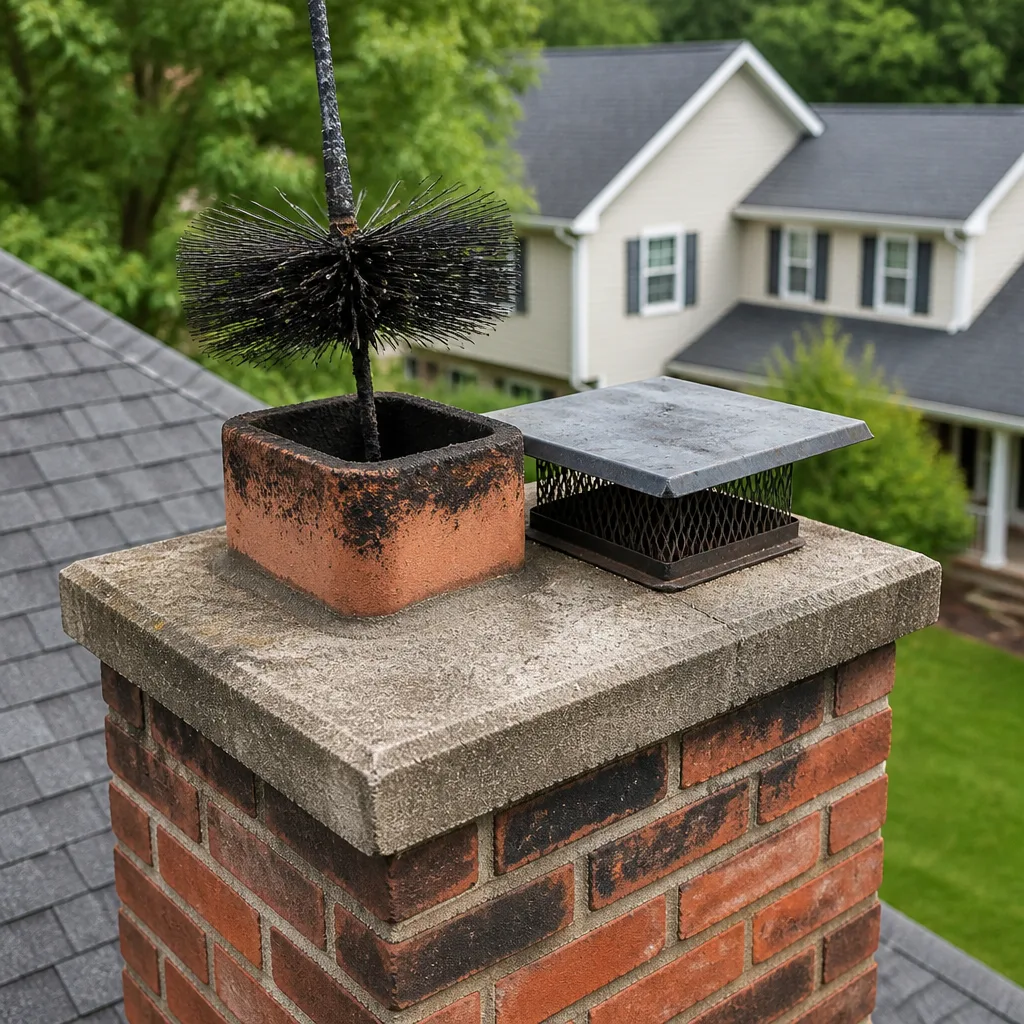 Sweep & inspection
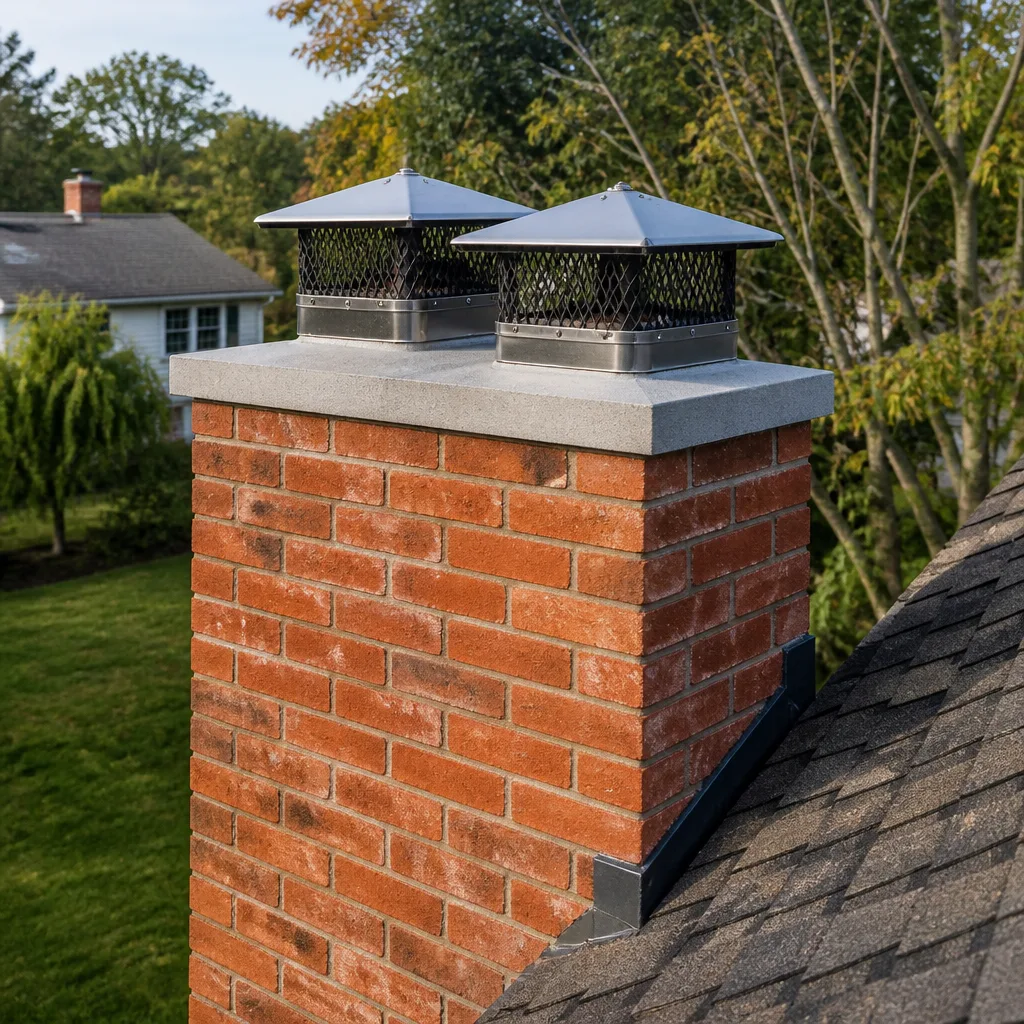 Caps & crowns
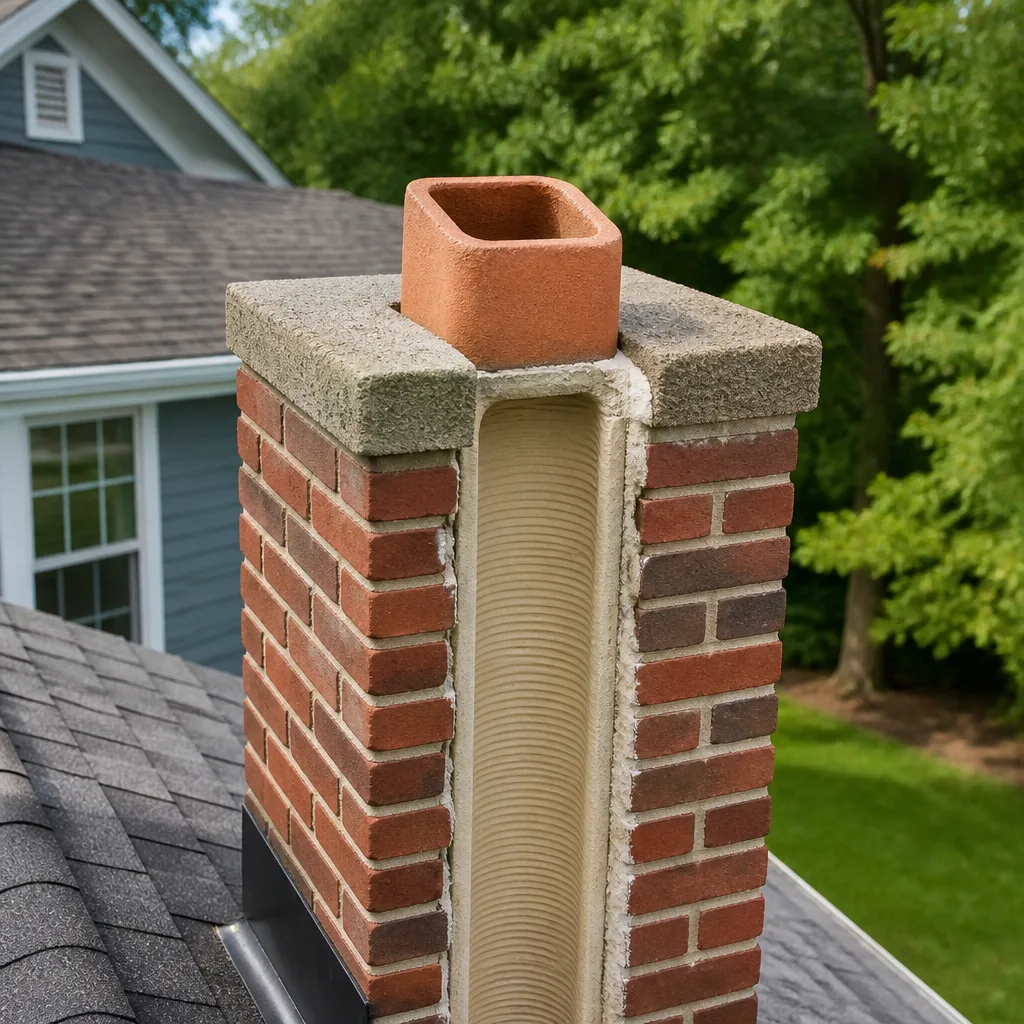 Flue relining
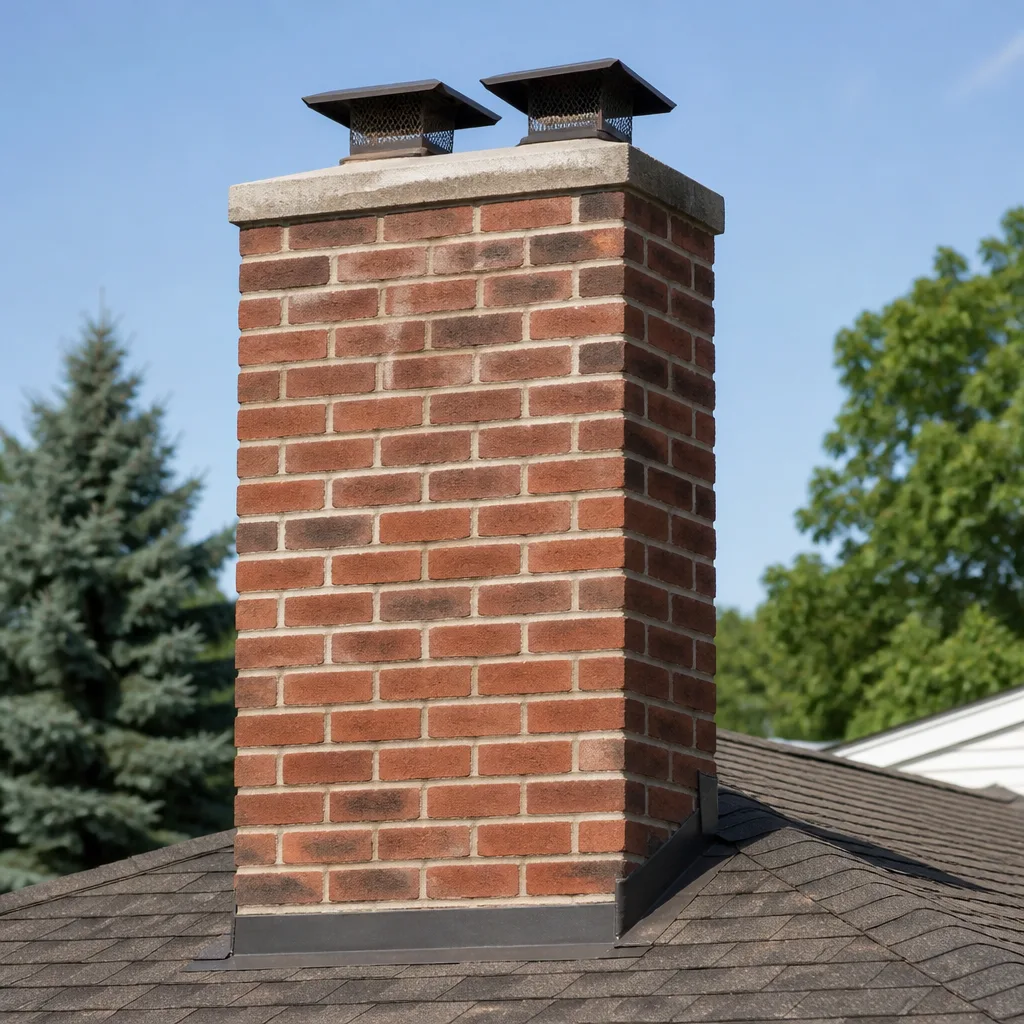 Masonry repair
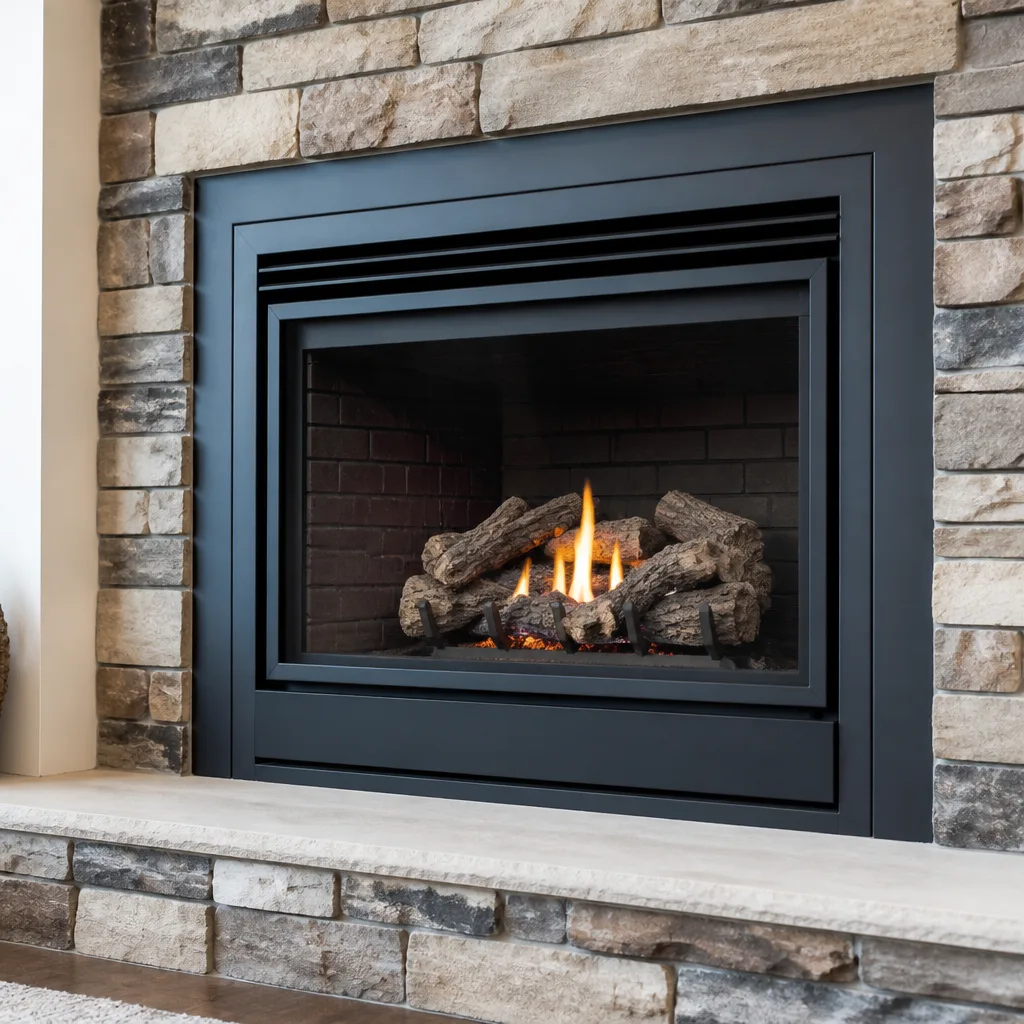 Gas fireplace service
Level 1 sweep and inspection to the NFPA 211 annual standard - flue, crown, cap, and flashing checked and photographed
Chimney sweep logs do not sweep chimneys. They loosen some creosote - which then falls where a brush and vacuum still have to collect it.
Chimney Cleaning Permits, Codes & Inspections in Parkside, NY: What You Need to Know
A routine chimney cleaning turns into a liner replacement. The work starts without a permit. Eighteen months later, you’re at a closing table explaining an open violation to a buyer’s attorney. That sequence happens more often than most homeowners expect, and it almost always starts with a simple misunderstanding: that cleaning and repair fall under the same rules. They don’t. In Parkside, the cleaning itself is maintenance. The repair that follows often isn’t. This guide walks through where New York State code draws that line, how local requirements can layer on top of it, what a proper Level 2 inspection actually documents, and how to protect yourself if you’re buying, selling, or insuring a home with a chimney. It’s written for Parkside homeowners who want to understand the paperwork before they need it.
Quick Answer
Chimney cleaning in Parkside, NY does not require a permit. Chimney repair and replacement work often does, once it crosses from maintenance into structural or flue-system changes. A code-compliant Level 2 inspection documents the condition of the entire system and produces a report that insurers and buyers rely on. If you’re unsure which side of the line a job falls on, confirm with the Town of Hempstead Building Department before work begins, not after.
Styles & brands we work with
- Sweep & inspection
- Caps & crowns
- Flue relining
- Masonry repair
- Gas fireplace service
Table of Contents
- Cleaning vs. Repair: Where the Permit Line Actually Sits
- Which Chimney Repairs Require a Permit in Parkside?
- How Local Requirements Layer on Top of New York State Code
- What a Level 2 Inspection Documents (And Why It Matters)
- The Liability Exposure of Unpermitted Chimney Work
- Getting Your Certificate of Compliance and Storing It
- Parkside’s Burning Season and Inspection Timing
- Common Mistakes to Avoid
Cleaning vs. Repair: Where the Permit Line Actually Sits
The confusion starts because both activities happen in the same visit, often within the same hour. A technician sweeps the flue, sees cracked mortar in the smoke chamber, and offers to resurface it. The homeowner hears “part of the cleaning” and assumes the whole visit is routine maintenance. It isn’t, and the distinction matters.
Cleaning is a maintenance activity. It removes creosote, soot, and debris from a flue that is already built and functioning. No structural change occurs. No component is added or removed. New York State does not require a permit for this.
Repair is construction. The moment a contractor replaces a liner, rebuilds a crown, resets a firebox, or alters the flue’s dimensions or materials, the work falls into the category municipalities regulate through building permits and inspection. Whether a specific job needs one depends on the scope, but the general principle holds: if it changes the system rather than cleaning it, ask the question.
In our experience across Parkside, the jobs that most often surprise homeowners with permit requirements are liner replacements, crown reconstruction, and chimney cap installations that involve modifying the flue termination. A chimney repair that looks cosmetic on the surface can require documentation underneath. And the reverse trap is just as common: a homeowner pays for a permit on work that never needed one because a contractor padded the scope.
A Simple Rule of Thumb
- Maintenance, usually no permit: sweeping, creosote removal, minor cap replacement with the same footprint, animal nest removal, routine inspection.
- Likely permit-required: liner installation or replacement, crown rebuild, chase cover fabrication, firebox reconstruction, flue resizing, masonry repair that affects structural integrity.
- Ask the building department: anything involving a change in fuel type, a new appliance connection, or work that modifies the chimney’s exterior footprint.
That third category is where homeowners get burned. It’s also where a single phone call to the municipality saves months of grief. The Parkside building office can tell you in a few minutes whether your specific job needs a permit and what documentation they’ll want at the end.
Which Chimney Repairs Require a Permit in Parkside?
The short answer: work that modifies the chimney system’s structure or its components. New York State building code treats chimney systems as part of the building envelope for fire-safety purposes, which is why municipalities review and inspect certain repairs before they’re closed up.
Here’s what typically falls on the permit-required side of the line:
- Liner replacement or installation. When a stainless liner goes in through DuraFlex components or similar, the flue’s internal geometry changes. Inspectors want to verify the connection at the appliance and the termination at the top.
- Crown rebuilds and major crown repair. The crown is the concrete cap at the top of the chimney that sheds water. Rebuilding it is structural work, and many towns require inspection once it’s poured.
- Firebox and smoke chamber reconstruction. Resurfacing a deteriorating firebox with HeatShield or rebuilding it with new masonry affects how the appliance vents. That’s inspected work.
- Chase cover and cap fabrication. A simple cap swap is often exempt. A fabricated chase cover that changes the termination’s shape or height usually isn’t.
- Masonry repair affecting structure. Repointing a few joints is maintenance. Rebuilding the top several courses of a chimney is not.
Sweeping never appears on this list. That’s the clean dividing line. If you’re scheduling a chimney sweep and the technician finds repair work, the repair discussion happens separately, with the permit question handled before anyone starts.
One more caveat: if the chimney serves a wood stove, pellet insert, or gas appliance, code requirements can add a layer because the appliance itself may have its own permitting path. Ask the building department to confirm both, since the appliance and the flue are often reviewed together.
How Local Requirements Layer on Top of New York State Code
New York State sets the baseline. Municipalities enforce it and add their own procedural requirements on top. For Parkside, that means the Town of Hempstead Building Department is the office that will actually issue the permit, inspect the work, and produce the certificate of compliance. State code doesn’t tell you how to file. The town does.
The layered structure catches people because they assume that knowing the state code is enough. It rarely is. Here’s what the layers look like in practice:
- State code: establishes that certain chimney work must be permitted and inspected. Sets the technical standards for flue sizing, clearances, and materials.
- Town requirements: sets the filing process, the fees, the inspection sequence, and the documentation required at closeout. This is the layer that varies most from town to town on Long Island.
- Homeowner association or historic district rules: some Parkside blocks have additional review for exterior modifications, particularly chase covers or masonry changes visible from the street.
- Insurer requirements: separate from code entirely, but often the practical reason homeowners care. Many policies ask for documentation of chimney work after a claim or a major renovation.
The single most useful habit here is to call the building department before booking a contractor, not after. Ask three questions: Does this scope require a permit? Who pulls it, the homeowner or the contractor? What documentation do you need at inspection closeout? Write the answers down. If a contractor tells you something different from what the building department says, the building department wins.
We’ve seen Parkside jobs go sideways because a contractor offered to “skip the paperwork” to keep the schedule moving. That’s not a favor. It’s the setup for exactly the closing-table scenario that opens this guide. A reputable contractor should have no trouble telling you which permits a job needs, because they’ve pulled them before.
What a Level 2 Inspection Documents (And Why It Matters)
A Level 2 inspection is the standard inspection for a real estate transaction, an appliance change, or any chimney that hasn’t been evaluated in years. It goes beyond what you see from the firebox. It documents the entire accessible system, from the appliance connection at the bottom to the crown and cap at the top.
Here’s what a proper Level 2 inspection covers:
- Video scan of the flue interior. A camera runs the length of the flue and records the condition of the liner, joints, and any cracks or gaps.
- Accessible portions of the exterior. Crown condition, masonry and mortar joints, flashing where the chimney meets the roof, and cap integrity.
- Firebox and smoke chamber. Cracks, gaps, and signs of deterioration that affect how the chimney vents.
- Appliance connection. How the stove or fireplace connects to the flue, whether the connection is sealed, and whether the venting is appropriate.
- Clearances to combustibles. Whether nearby framing, insulation, or roofing materials sit close enough to the chimney to create a fire exposure.
- Written report with photos. This is the piece that matters most for insurance and resale. The report should identify what was found, where, and what it means.
The documentation is the point. An inspection that produces only a verbal summary is worth very little at a closing table or an insurance review. What buyers, sellers, and insurers want is a dated report with photos that a third party can read and verify.
This is why we offer inspection as a standalone booking. If you’re a Parkside buyer in the middle of a purchase, or a seller trying to clear a contingency, you can schedule the inspection without committing to any repair work. The report is the product. You decide what happens next. A standalone inspection also pairs naturally with a Chimney Sweep Parkside visit if the chimney also needs cleaning, but the two are scheduled separately so the report isn’t tangled up with a repair pitch.
What a Level 2 Report Actually Documents
- Photographic evidence of flue condition at multiple points along its length
- Crown, cap, and flashing condition in relation to the roofline
- Firebox and smoke chamber findings, with defect locations noted
- Appliance connection details and venting suitability
- Clearance observations relative to surrounding combustibles
- Recommendations separated into “address now,” “monitor,” and “safe to defer”
That last bullet is worth sitting with. A good report tells you what can wait, not just what needs fixing. Any inspection that presents every finding as urgent should be read with skepticism.
The Liability Exposure of Unpermitted Chimney Work
When a homeowner accepts unpermitted chimney repair, the exposure isn’t hypothetical. It shows up in three specific places, and each one has real consequences.
- At resale. A buyer’s attorney will pull permit history on the property as part of due diligence. Open or missing permits on chimney work surface as a title and disclosure issue. Some transactions stall while the seller goes back and permits work that should have been permitted years earlier. In some cases, the fix is more expensive than the original job would have been.
- On insurance claims. If a chimney-related fire or water intrusion leads to a claim, the insurer will ask when the work was done and by whom. Work that was never permitted or inspected can complicate a claim, delay it, or in the worst case lead to a denial. That’s a very expensive outcome for paperwork that could have been filed at the start.
- On personal liability. If a contractor does unpermitted work on your property and a subsequent owner or tenant is harmed by a defect, you may find yourself part of a dispute about who authorized the work and what was documented. The cleanest defense is a permit and an inspection record in your name.
There’s a fourth, quieter cost: your own uncertainty. If you don’t know whether the liner in your chimney was installed to code, you can’t confidently evaluate it later. You don’t have the baseline. That uncertainty compounds with every subsequent repair until it’s easier to open the wall and start fresh than to trust what’s already there.
The remedy is simple and boring. Before work starts, ask the contractor whether a permit is required for the scope, and ask the building department the same question. If the answers match, proceed. If they don’t, get it in writing from the town. The cost of a permit is almost always lower than the cost of discovering, years later, that work you paid for was never filed.
Getting Your Certificate of Compliance and Storing It
When permitted chimney work is finished, the municipality issues a certificate of compliance. This document is the record that the work was inspected and signed off. It’s also the document buyers, insurers, and future contractors will want to see. If it goes missing, retrieving it later can take weeks and, in some cases, isn’t possible without pulling the file manually from the town.
Here’s the sequence for closing out a permitted job in Parkside:
- Contractor requests the final inspection. This happens after the work is complete and any rough-in inspection has already been signed off.
- Town inspector visits and reviews the work. For chimney jobs, this often includes a visual check of the flue termination, crown, and any documented access points.
- Inspector issues the certificate of compliance. Typically this is a document with the property address, the work description, and the inspector’s sign-off.
- Homeowner stores the original with property records. Not in a drawer with receipts, not in an email inbox, but with the deed, the survey, and the insurance paperwork.
- Homeowner scans a copy digitally. Photos in a phone gallery are fine for a contractor to see, but the closing-table copy has to be the original or a clearly legible duplicate.
Where to Store It So You Can Find It Again
The practical storage answer is one physical file and one digital copy. Physically, keep it with the mortgage and deed documents. Those are the records you’d grab in a fire, and the certificate belongs in the same envelope. Digitally, put the scan in a folder labeled with the property address and the year the work was done. If you ever sell, you’ll have it in a few seconds, and if you ever file a claim, you’ll have it in a few more.
Homeowners who move within Parkside sometimes find that the certificate from a prior chimney job is the document that clears a buyer’s question about the liner. That one piece of paper resolves what a contractor’s verbal assurance can’t. It’s worth the twenty minutes it takes to confirm you actually have it.
Parkside’s Burning Season and Inspection Timing
Chimney work in Parkside follows the burning season. Homeowners fire up the fireplace or stove in the fall, run it hard through the winter, and shut it down in spring. The smarter pattern is to get the inspection done before the first burn, not after a problem shows up.
Three timing points worth knowing:
- Before the first fire of the season. This is when a cleaning and inspection catch what the last season left behind: creosote buildup, glaze in the flue, cracks that opened with the spring thaw, and animal nests from a dormant summer.
- After heavy burning. A second cleaning mid-winter is worth considering if you burn frequently or use greener wood. Creosote builds faster than most homeowners realize.
- Before a sale or a major purchase. If you’re in a Parkside transaction, the inspection has to happen in the window between offer and close. That’s not a time to discover the flue has a cracked liner.
Permits also have a seasonal rhythm. Some town building offices get backlogged in early fall as homeowners try to complete work before cold weather. Filing earlier in the season can save you a few weeks of waiting. If you’re scheduling a chimney cap & crown rebuild, factor in the permit timeline alongside the contractor’s schedule.
Our technicians have up to 11 years of experience working on chimneys through every season, and the pattern is consistent: the jobs that go smoothly are the ones where the inspection happened before the problem got expensive. The paperwork follows naturally when you start early.
Common Mistakes to Avoid
- Assuming the cleaning quote covers the repair. A sweep quote and a repair quote are two different documents. If a contractor quotes you for a cleaning and then, on-site, expands the scope to include a liner, that’s a second job and a separate permitting question. Ask for a written scope change before anyone starts the second task.
- Letting the contractor decide whether to pull a permit. The homeowner should confirm independently. A few minutes with the Town of Hempstead Building Department closes the loop, and it also gives you a name to call if something goes wrong.
- Accepting a verbal inspection summary. Insurers and buyers need a written report with photos. If the inspection doesn’t produce that, it didn’t happen for practical purposes. Ask for the report before the invoice is paid.
- Replacing a liner without documenting the reason. A liner replacement is often necessary, but it should be tied to specific photographic evidence from the Level 2 scan. Without that evidence, the recommendation is unverifiable, and you can’t tell whether it was necessary.
- Skipping the inspection before listing a Parkside home. A pre-listing chimney inspection surfaces problems while you still have time to permit and fix them. Discovering a liner issue two weeks before closing is a far more expensive problem.
- Storing the certificate of compliance in a drawer. It needs to be with the deed. If a future buyer or insurer asks, you want it in under five minutes, not under five days of searching.
- Assuming state code knowledge is enough. Parkside sits under town-level requirements that add procedure on top of state code. The state sets the standard; the town runs the process. Know both.
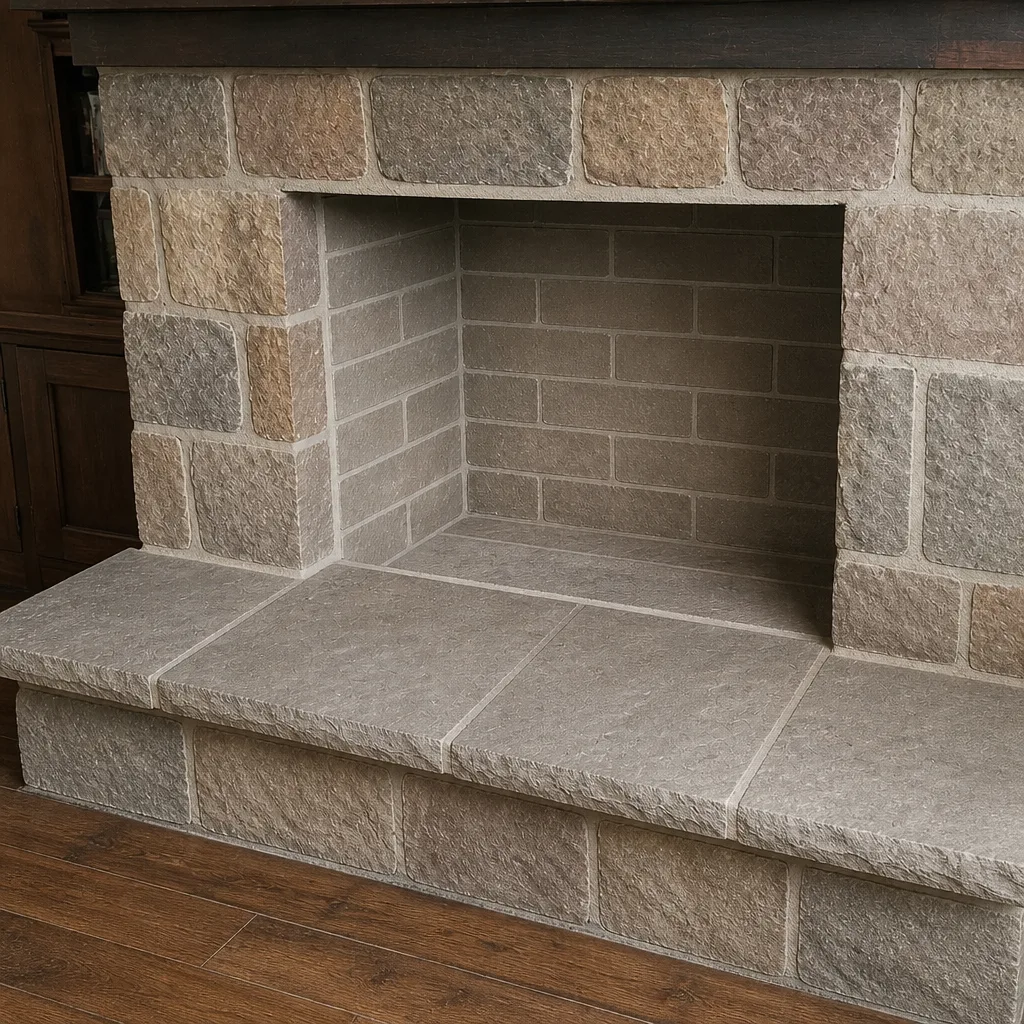
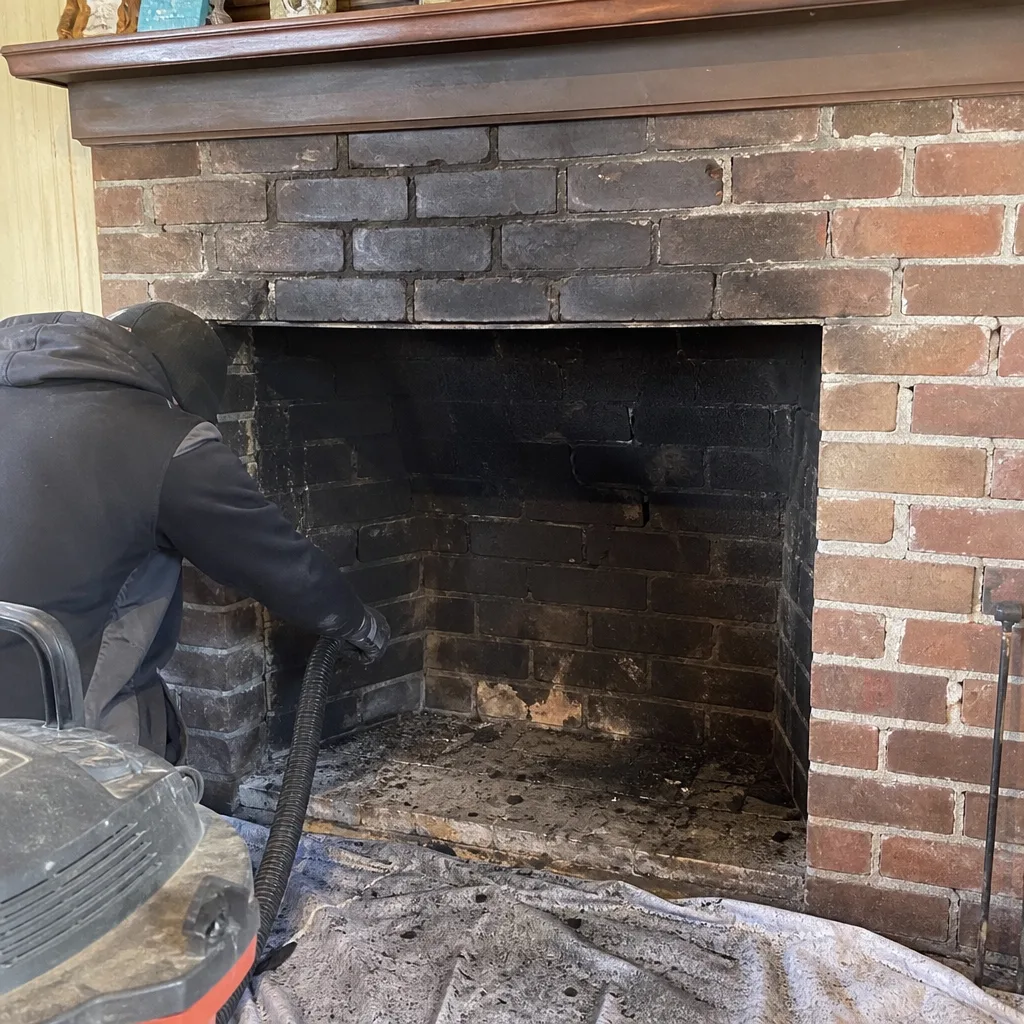
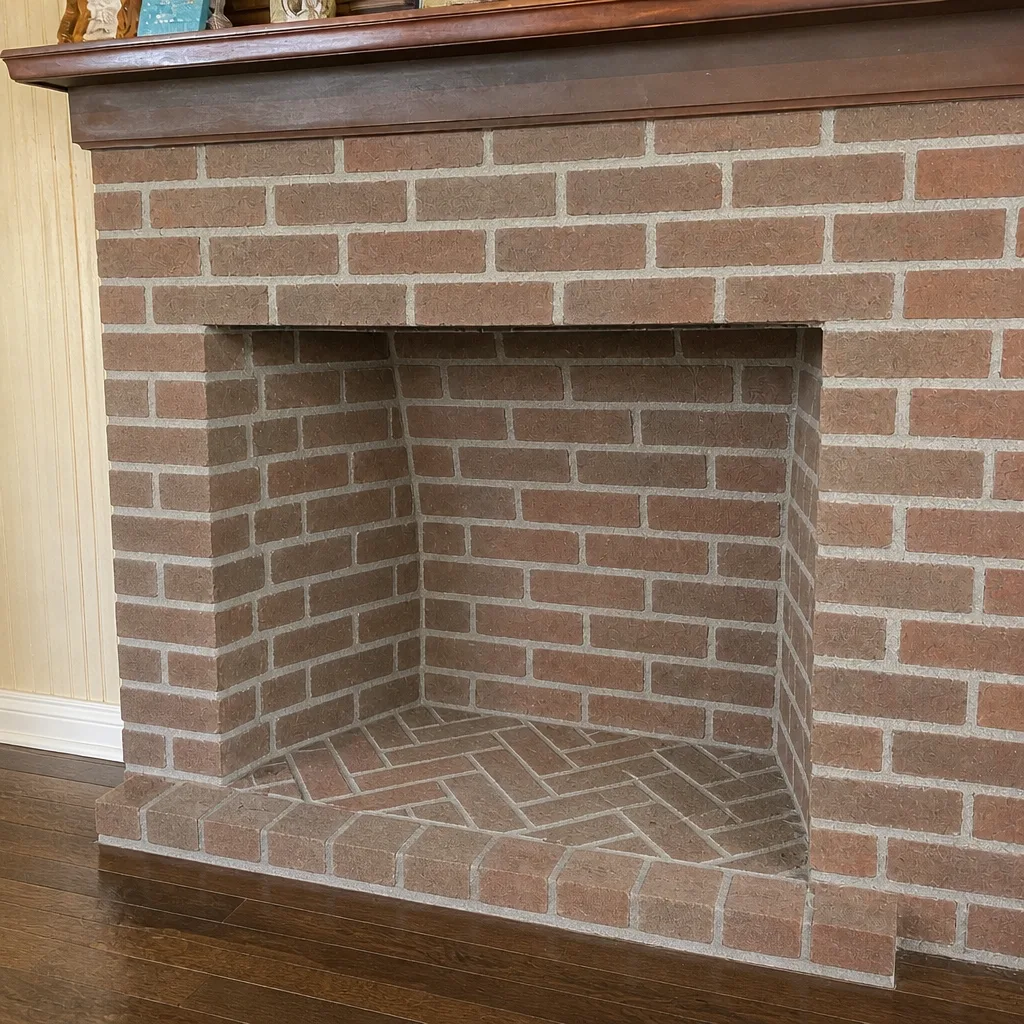
See the difference
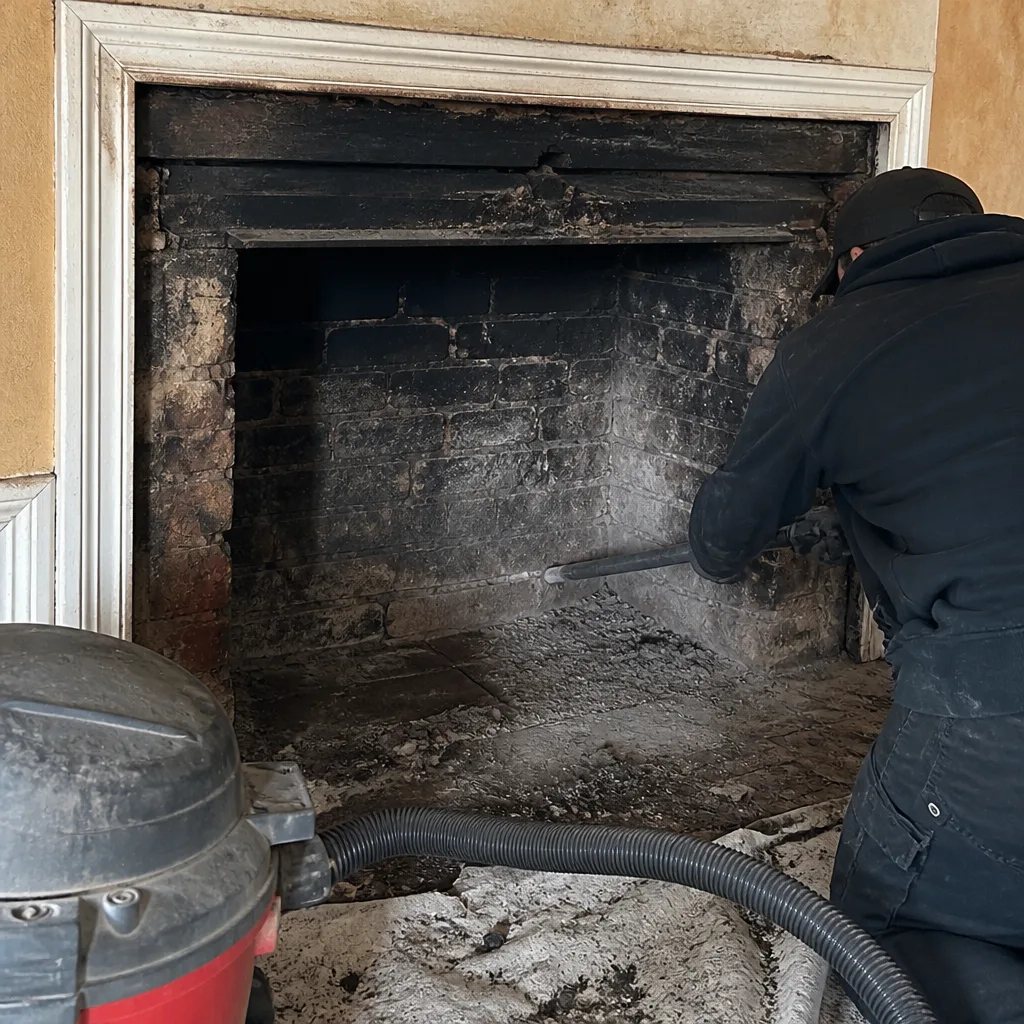 Before
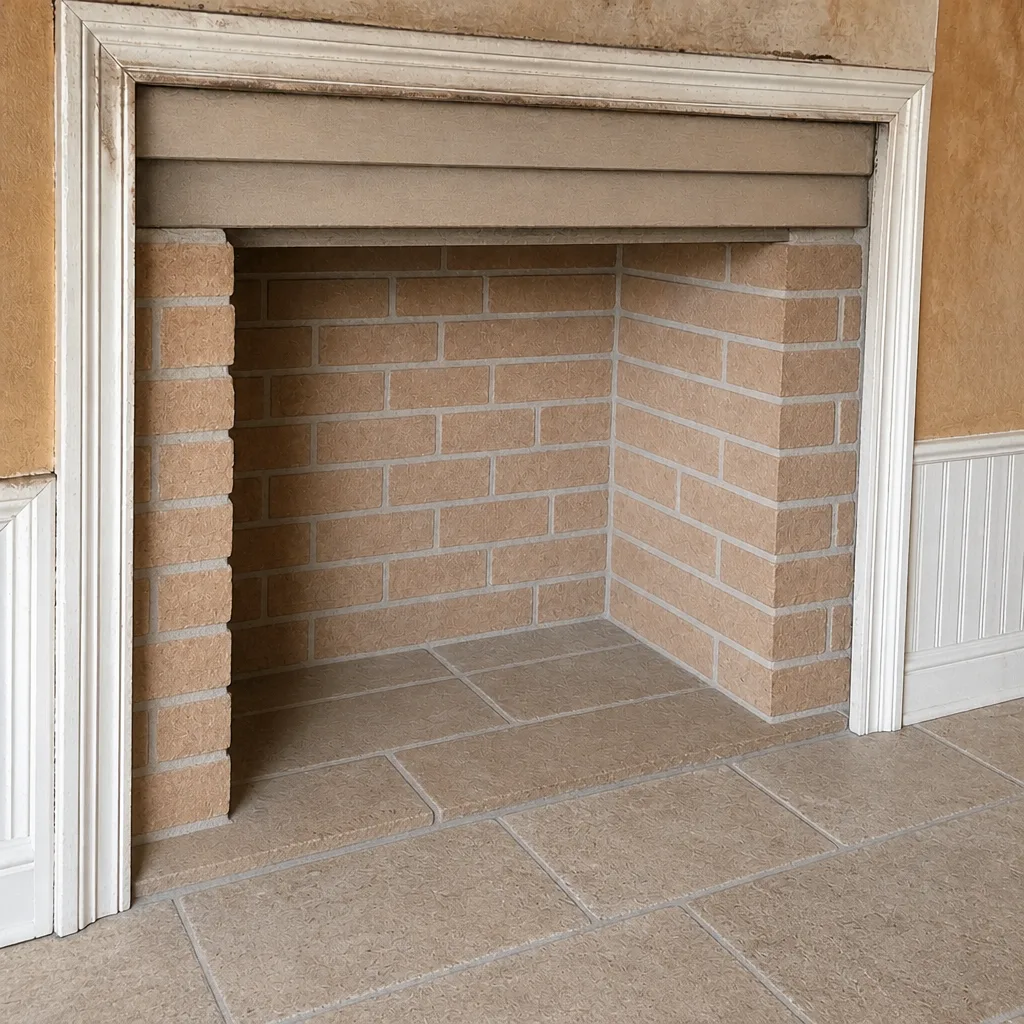 After
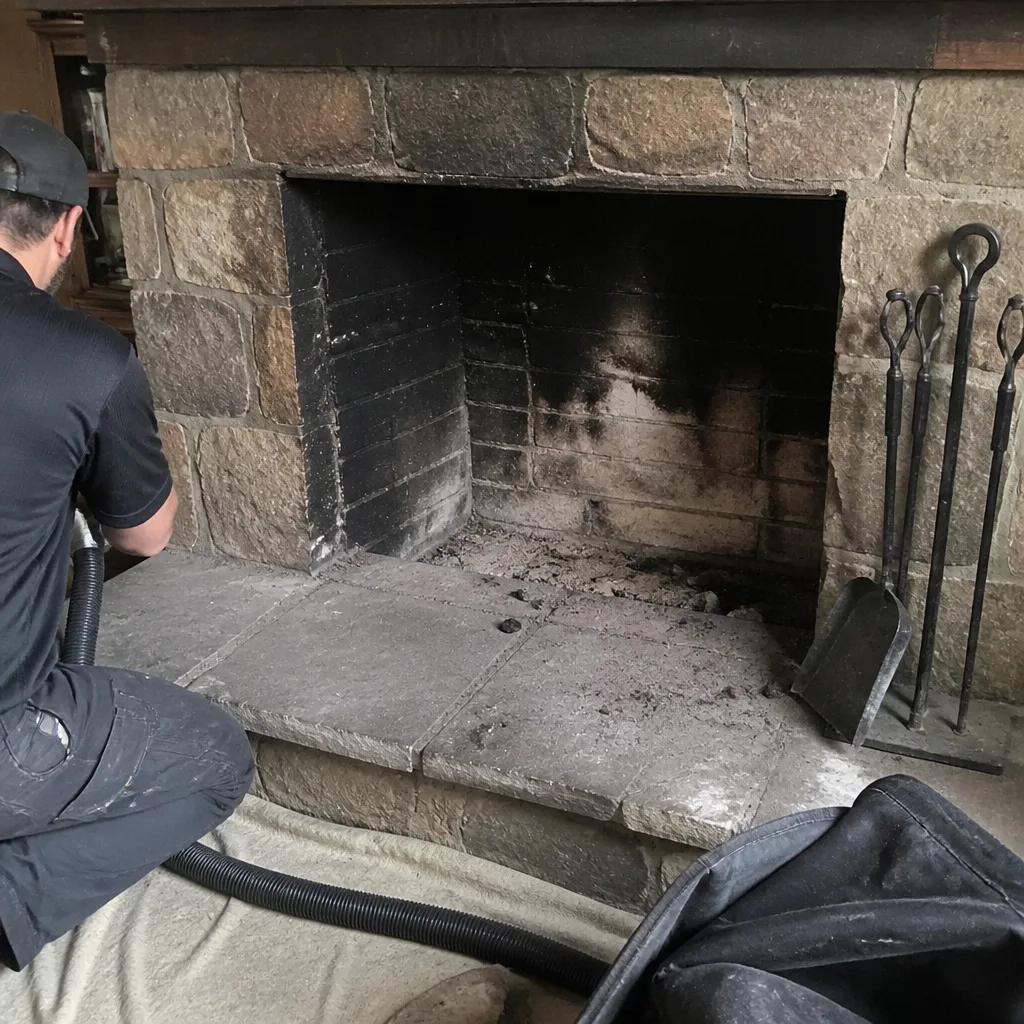 Before
 After
 Before
 After
When to Call a Professional
Chimney work is one of the categories where the do-it-yourself instinct is genuinely dangerous. Flues, liners, and appliance connections carry real fire and carbon monoxide risks, and the inspection equipment used to verify them isn’t something you can rent for an afternoon. Call a professional when you’re buying or selling a home and need an inspection on record, when your insurance company asks for documentation, when you’re planning any repair that might require a permit, or when you’ve moved into a Parkside home and don’t have a recent inspection on file. Call us at (877) 770-1394. We answer 24/7. Fast dispatch from 7am to 7pm, Sunday through Friday. Chimney Sweep Parkside offers free estimates in Parkside; the price is set per job by the written estimate, and the estimate itself costs you nothing.
If you’re not sure whether your situation warrants a call, it probably does. A free estimate is a much smaller commitment than an unpermitted repair.
Frequently Asked Questions
No. Chimney cleaning is routine maintenance and does not require a permit in Parkside or anywhere in New York State. The permit question only enters once cleaning uncovers repair work that modifies the chimney system. If a cleaning turns into a repair quote, ask the contractor whether that specific repair requires a permit before saying yes. Call (877) 770-1394 for a free estimate.
Liner replacement, crown rebuild, firebox reconstruction, and any work that changes the chimney’s structural components or flue geometry typically require a permit. Simple cap swaps and repointing that doesn’t affect structure often fall on the maintenance side. The definitive answer for your specific job comes from the Town of Hempstead Building Department. A written estimate from us will state the scope clearly so you can take it to the town and get a straight answer. Call (877) 770-1394 for a free estimate.
The main exposures are at resale, on insurance claims, and in the personal liability of the homeowner who authorized the work. A buyer’s attorney will typically find missing permits during due diligence, and insurance claims can be complicated or delayed when the work was never inspected. The cleanest remedy is to permit the work before it starts. Call (877) 770-1394 for a free estimate.
A Level 2 inspection includes a video scan of the flue interior, an examination of the accessible exterior (crown, cap, flashing, masonry), the firebox and smoke chamber, and the appliance connection, plus a written report with photos. It’s the standard inspection for real estate transactions and appliance changes. We offer inspection as a standalone booking, so you can get the report without committing to any repair work. Call (877) 770-1394 for a free estimate.
The municipality issues the certificate after the permitted work passes final inspection. Your contractor requests the inspection, the town inspector reviews the work, and the certificate is issued to the property. Store the original with your deed and mortgage documents, and keep a digital scan in a folder labeled with the property address and year. Call (877) 770-1394 for a free estimate.
An annual inspection is the standard recommendation for any chimney in active use, and it’s especially important if you burn wood regularly through the winter. Inspections catch liner cracks, creosote buildup, and exterior deterioration before they become expensive repairs. A pre-season inspection in the fall is the most practical rhythm for Parkside homeowners. Call (877) 770-1394 for a free estimate.
The Bottom Line
Cleaning doesn’t need a permit. Repair often does. That’s the line, and knowing which side of it a job falls on is the single most useful piece of chimney knowledge a Parkside homeowner can carry into a contractor conversation. Get the inspection documented in writing, confirm the permit question with the Town of Hempstead Building Department before work starts, and store the certificate of compliance where you’ll actually find it. The paperwork that feels like a formality today is what protects you at the closing table and on the insurance claim ten years from now. Our technicians have up to 11 years of experience, and we work on chimneys and fireplaces, nothing else.
Call (877) 770-1394. We answer 24/7. Fast dispatch from 7am to 7pm, Sunday through Friday. Estimates are free, and we’ll show you what we find before we touch anything.
Written by the team at Chimney Sweep Parkside.