
Last updated November 24, 2026
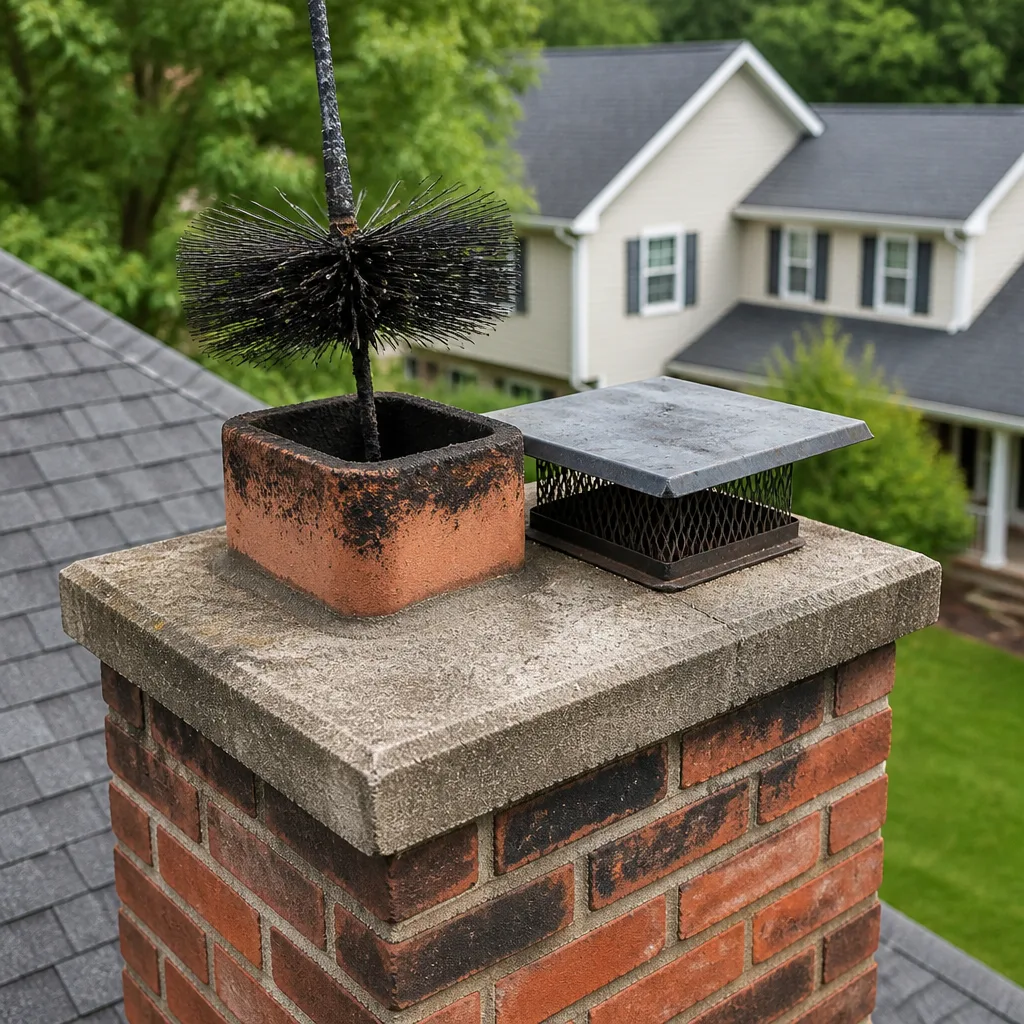 Sweep & inspection
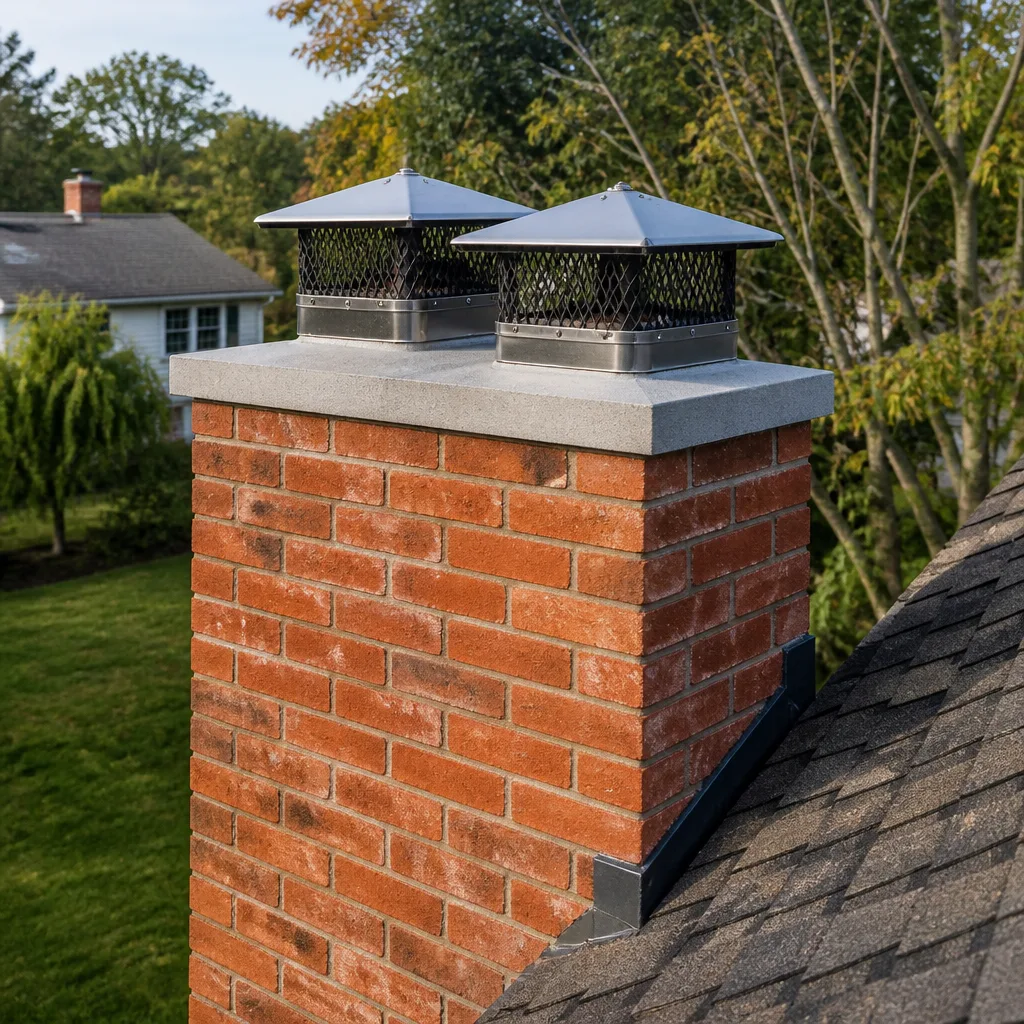 Caps & crowns
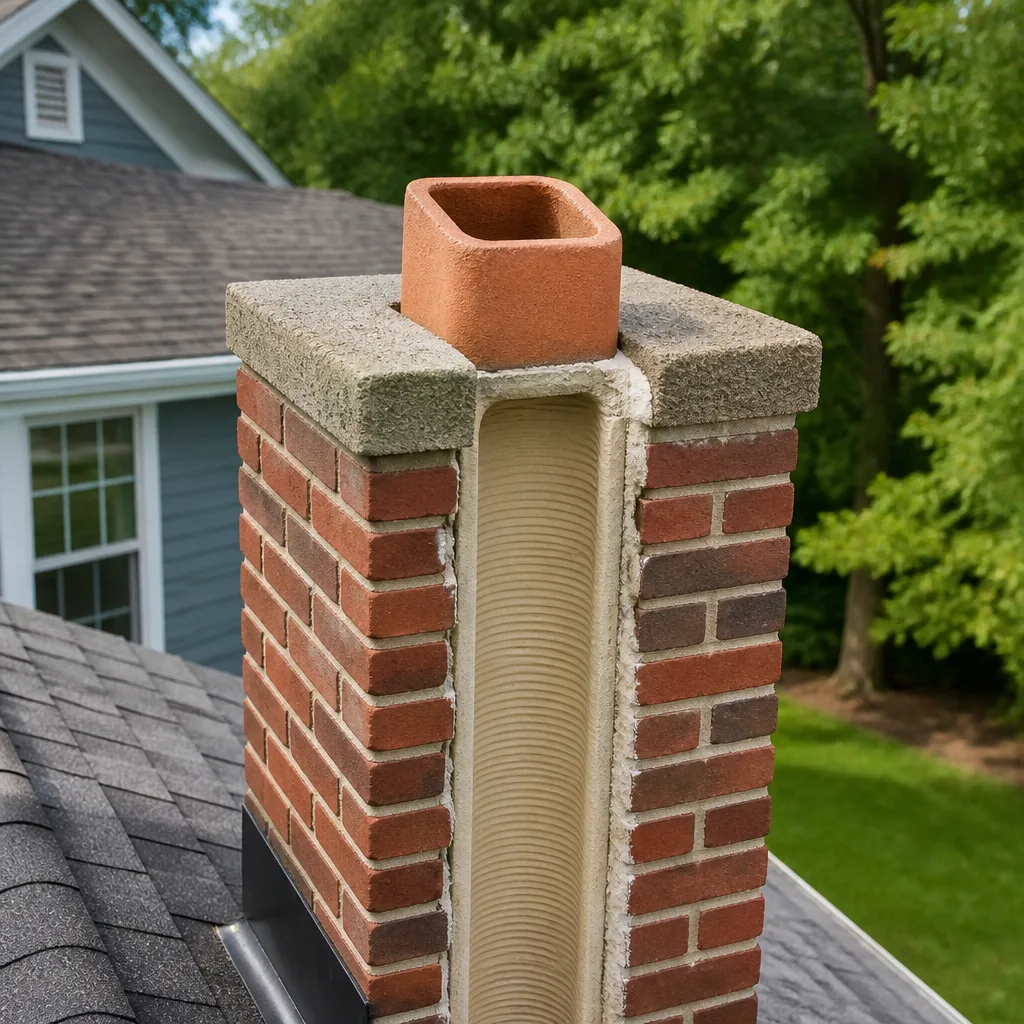 Flue relining
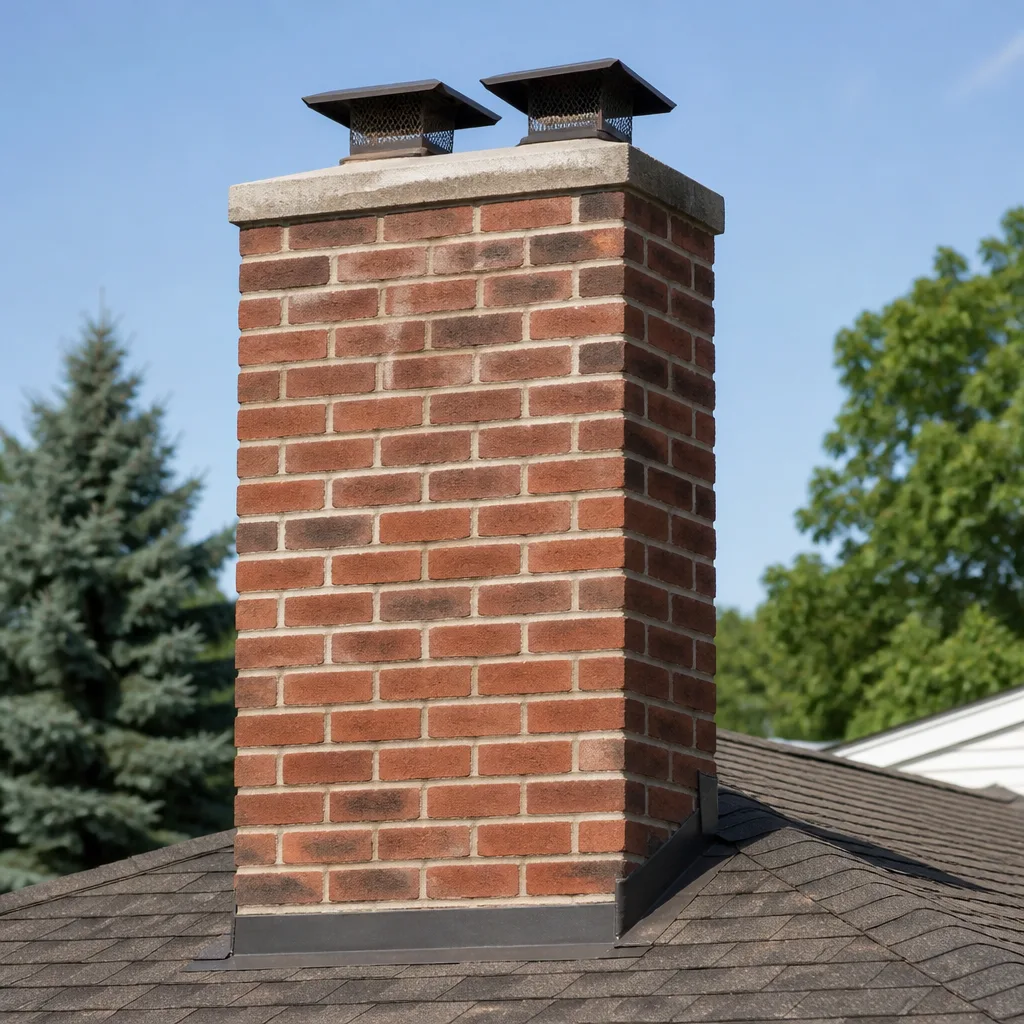 Masonry repair
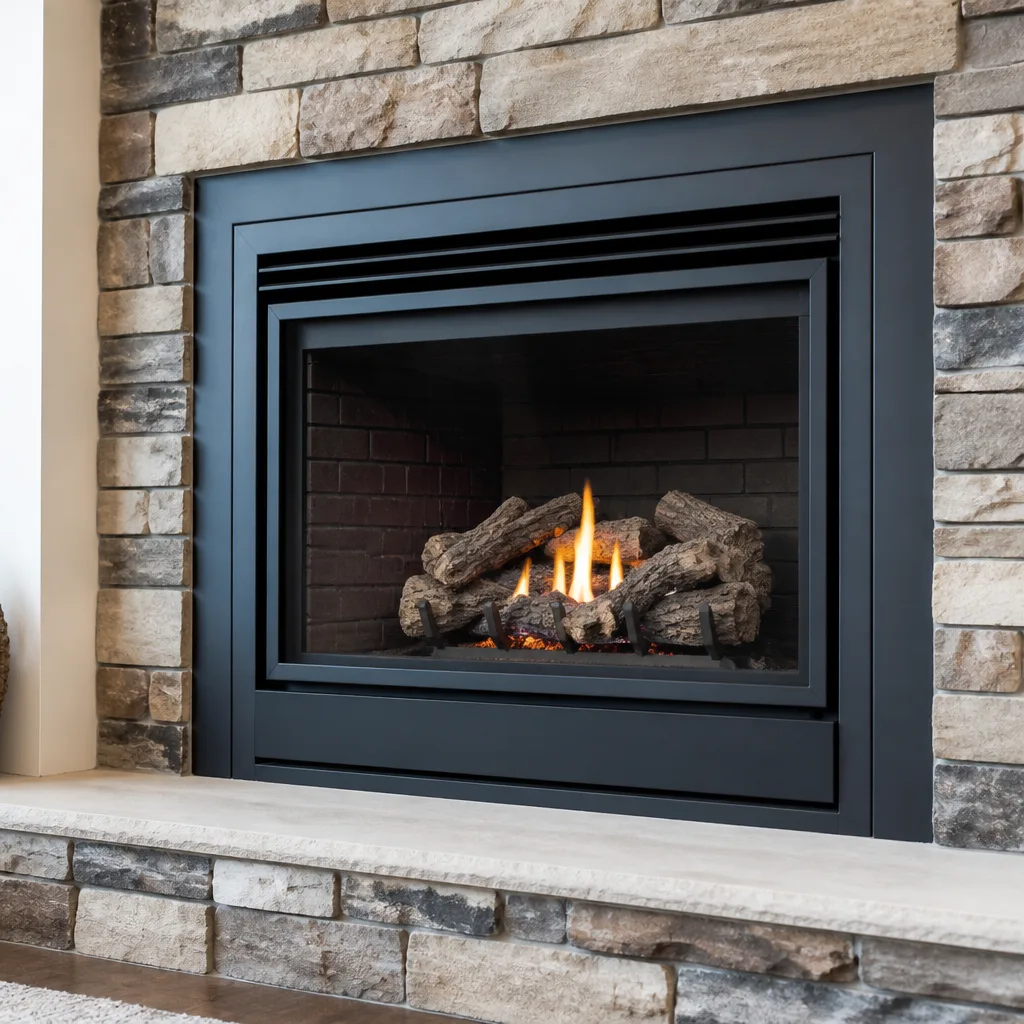 Gas fireplace service
Level 1 sweep and inspection to the NFPA 211 annual standard - flue, crown, cap, and flashing checked and photographed
Chimney sweep logs do not sweep chimneys. They loosen some creosote - which then falls where a brush and vacuum still have to collect it.
Seasonal Chimney Cleaning Care for Parkside: Year-Round Homeowner’s Guide
Most homeowners treat the chimney like a car they only think about when the check-engine light comes on. One annual sweep, scheduled in a hurry once the first cold snap hits, and the job is considered done. That habit is understandable, and it’s also how three of the four seasons quietly work against a chimney nobody is watching. Parkside winters, springs, summers and falls each put a different kind of pressure on a flue, and the damage from one season sets up the next. This guide walks through what each season asks of your chimney, from moisture and masonry movement in spring to animal nesting in summer to the burn patterns of winter, and gives you a simple log to keep track of it all.
Quick Answer
Seasonal chimney care in Parkside means four checkpoints instead of one: inspect for freeze-thaw and moisture damage in spring, secure the cap and screen against animals in summer, sweep and test the damper before first burn in early fall, and monitor creosote and draft through winter. A single annual sweep covers cleaning, but the other three seasons are when structural problems and blockages actually start. Year-round care is less work than it sounds and catches repairs while they’re still small.
Styles & brands we work with
- Sweep & inspection
- Caps & crowns
- Flue relining
- Masonry repair
- Gas fireplace service
Table of Contents
- Why a One-Sweep-a-Year Approach Falls Short
- Spring: Freeze-Thaw Damage and Post-Winter Moisture
- Summer: Animal Intrusion and Crown Waterproofing
- Fall: Pre-Season Sweep Timing and Damper Testing
- Winter: Burn Habits, Creosote and Warning Signs
- Building a Seasonal Chimney Log
- When to Call a Professional
- Frequently Asked Questions
Why a One-Sweep-a-Year Approach Falls Short
Here’s the part that surprises a lot of homeowners we talk to in Parkside: a chimney doesn’t fail from one big event. It fails from small damage that’s left alone across seasons. Spring water gets into a hairline crack, the summer heat bakes it, fall rain pushes deeper, winter freeze-thaw widens it, and by the following spring the repair has graduated from a crown seal to masonry work. The annual sweep in November never had a chance to catch any of it, because the sweep only cleans what’s already there.
Think of the four seasons as four different threats to the same structure:
- Spring brings moisture and temperature swings that stress masonry and mortar joints.
- Summer brings animals looking for a dry place to nest, and the dry heat that turns last season’s soot into a crisper fuel load.
- Fall brings rain and the first serious burning, so the flue needs to be clean and the damper needs to work before the first fire.
- Winter brings the actual combustion load, and with it creosote buildup, draft problems, and the warning signs that show up mid-season.
Sweeping addresses the cleaning part of winter and fall. It does almost nothing about spring moisture, summer nesting, or a cap that’s been knocked loose by wind in July. That gap is exactly why we treat seasonal care as a year-round rhythm rather than a single appointment. We work on chimneys and nothing else, and after enough seasons of this you start to notice the same patterns repeating in Parkside homes. The sweeps who do one visit per year are useful, but the homeowners who get the most value from their chimney are the ones who check in with it four times a year, even briefly.
The good news: three of those four checkpoints are quick visual checks you can do yourself with a flashlight. The fourth is the professional sweep, and it’s where you want someone who specializes.
Spring: Freeze-Thaw Damage and Post-Winter Moisture
Spring in Parkside is the season of movement. The freeze-thaw cycle that runs from late winter into early spring is hard on masonry, because water that has soaked into mortar joints expands when it freezes and pushes the joint apart. When it thaws, the joint stays a little wider. Do that enough times and a hairline crack becomes a real one. Spring is when those cracks are most visible, before summer growth and fall rain fill them in.
What to look at in spring:
- Crown and chimney top: Look for cracks, spalling, or pieces flaking off the mortar crown at the top of the chimney. The crown is the concrete cap that sheds water away from the flue, and once it cracks it stops shedding and starts delivering.
- Mortar joints: From the ground, scan the chimney sides for joints that look recessed, crumbling, or missing. Missing mortar invites water deeper into the masonry.
- Flue interior: A flashlight down the flue after a wet spring can reveal staining, flaky creosote, or a white powdery bloom on the flue walls that suggests moisture is getting in from above.
- Water in the firebox: Dampness or staining in the firebox, or a rust line on the damper, tells you water is finding a path down.
- Attic and ceiling near the chimney: Stains on framing or ceiling drywall near the chimney chase are a sign moisture is bypassing the flashing or the crown.
Spring is also the right window to clear the flue of post-winter moisture before it has all summer to accelerate deterioration. Creosote that took on water over the winter can turn acidic, and combined with damp masonry it speeds up the decay of the flue lining. A spring chimney sweep clears the residue left by the burning season, which is one of the reasons we recommend two sweeps in a busy-burning home rather than one. If the inspection turns up a cracked crown or displaced cap, that’s a chimney cap & crown conversation worth having in spring, before summer storms and fall rain have a season to work on the opening.
One thing worth flagging: a crack in the crown isn’t cosmetic. It’s the entry point for everything that happens the rest of the year. Fixing it in April, when the weather is mild and there’s no rush, is a much smaller job than discovering it in November when the first fire is already climbing the flue.
Summer: Animal Intrusion and Crown Waterproofing
Summer is when a chimney quietly becomes a habitat. Starlings, sparrows, squirrels, and raccoons all look at an open flue as a dry, elevated, weatherproof space, and summer is the season they build in it. Chimney sweeps see more animal nesting damage in summer than any other time of year, and by the time most homeowners discover it in the fall, the nesting material has had all summer to dry into tinder. That’s the part that matters most: nesting material sitting inside the flue is a fire load, and it’s sitting right below where you plan to light a fire in a few weeks.
The defense is mechanical, not chemical. A proper chimney cap with a screen blocks animals from entering while still letting smoke and gases escape. Three things to check in summer:
- Is the cap still there and attached? Winter wind and ice can loosen a cap, and a cap that has slid or blown off leaves the flue open. Check that it’s sitting level and secure on the crown.
- Is the screen intact? A rusted-out or torn screen is as good as no screen. Starlings in particular are small enough to get through surprisingly little.
- Is there any sign of activity inside? Twigs, nesting material, feathers, or droppings visible at the top of the flue or in the firebox are a warning sign. If you hear scratching or chirping in the chimney, don’t light a fire until it’s been cleared and inspected.
Summer is also the best window for waterproofing the crown. A breathable masonry sealer applied to a sound crown in warm, dry weather gives the crown its best chance to cure and to shed water through the coming fall rains and winter snow. Cap, crown, and chase cover work is one of the areas where we see the biggest gap between sweep-only companies and a full chimney service, because many sweeps clean but don’t install caps, crowns, or chase covers. We install caps and crowns in-house using components from brands like Gelco and Famco, working from the firebox to the crown. Getting a cap and crown job done in July, before fall rain arrives, is usually a straightforward project. Getting it done in October when the cap has already failed is a scramble.
Fall: Pre-Season Sweep Timing and Damper Testing
Fall is when most people think about the chimney, and the timing of the sweep matters more than most homeowners realize. The instinct is to book in late October or early November, right before the first fire. The better window is September. A September sweep gives you time to deal with whatever the sweep turns up. If the inspection finds a cracked flue tile, a failing damper, or a liner that needs resurfacing, you have weeks to schedule and complete the repair before cold weather sets in. A November sweep that finds the same problems leaves you choosing between an expensive rush job and a cold fireplace.
Fall is also the time to test the damper before the first burn, not after. A damper that’s stuck open wastes heat and can let cold air pour down the flue on windy days. A damper that’s stuck closed means smoke has nowhere to go and comes into the room. Testing is simple:
- Open the firebox doors (or the fireplace screen) and look up at the damper.
- Operate the damper control (a lever, a pull chain, or a rotary handle, depending on the fireplace) and confirm the damper plate opens fully and closes fully.
- Check that the damper plate isn’t warped, rusted, or obstructed by soot, debris, or a nest.
- With the damper open, light a small piece of paper in the firebox and watch the smoke. If it rises cleanly up the flue, you have draft. If it rolls out into the room, stop and have the flue checked before lighting a real fire.
That last step is worth doing every fall. A weak draft is one of the earliest signs of a blockage or a liner problem, and catching it with a piece of paper is a lot less dramatic than catching it with a real fire. Fall is also when a chimney repair done in September pays off in a calmer winter, whether that’s a damper repair, a firebox repair, or a liner issue the sweep spotted.
Winter: Burn Habits, Creosote and Warning Signs
Winter is when the chimney does its job and also when it takes the most abuse. The variables are how you burn and how much you burn. Creosote, the tar-like residue left by wood smoke, builds up faster when fires burn cool and smoky, when wood is unseasoned, and when the flue is cold. A hot, well-oxygenated fire with dry, well-seasoned wood produces less creosote. A smoldering fire with damp wood produces a lot more. Over a winter, the difference between those two habits can be the difference between a light dusting of creosote at the next sweep and a thick, hardened layer that’s harder to remove and riskier to burn under.
Habits that accelerate creosote buildup in winter:
- Burning unseasoned or “green” wood. Wet wood wastes heat up the flue as steam and leaves more residue behind. Seasoned wood that’s been split and dried is worth the extra cost.
- Choking the fire down to make it last. A fire that’s starved of air smolders, and smoldering smoke deposits creosote faster than an active fire.
- Running the fireplace with the damper partially closed. It feels warmer in the room, but it sends more unburned smoke up a cooler flue.
- Burning paper, cardboard, or trash. These burn hot and fast in the wrong way and can send flaming debris up the flue.
- Long stretches of low, slow burning. A fire that’s only ever banked overnight builds up more residue than one that burns hot and clean during the day.
Mid-season warning signs to watch for:
- Smoke rolling into the room instead of up the flue.
- A strong, acrid smell from the fireplace even when it’s not in use.
- Draft that gets noticeably weaker as the winter goes on.
- Soot or creosote flakes visible on the firebox floor or the hearth.
- A dull roar or whooshing sound from the flue during a fire, which can indicate a chimney fire.
If you see any of those, stop burning and have the chimney inspected. A chimney fire is not always dramatic. It can burn slowly and quietly inside the flue and do serious damage to the liner and masonry before anyone notices. Carbon monoxide is the other reason to take warning signs seriously: a blocked flue or a damaged liner can let combustion gases into the living space instead of out. A working carbon monoxide detector on every level of the home, and a chimney that’s been swept and inspected, are the two things that matter most for winter safety.
We’re not going to walk you through sweeping your own flue or pulling a liner. That’s a job for a trained sweep with the right brushes and the right equipment to see what they’re working on. What you can do is burn well, watch for warning signs, and call when something changes.
Building a Seasonal Chimney Log
A seasonal log sounds like homework, but it’s one of the simplest tools a homeowner can keep, and it’s what makes year-over-year comparisons useful when you’re talking to your sweep. Without a log, every visit starts from scratch. With one, your sweep can see patterns: creosote buildup trending up, draft trending down, moisture appearing in the firebox one season and a crack in the crown the next. That’s a lot more useful than “I think it was fine last year.”
A simple log has four parts:
- A dated entry for each season. Four entries a year, brief. Spring check, summer check, fall sweep, winter monitoring. Date each one.
- What you observed. Crown condition, cap condition, screen condition, damper operation, draft test result, any smoke in the room, any smells, any water in the firebox, any signs of animals. Short notes, not essays.
- What your sweep found and did. The sweep’s report, whether a camera inspection was done, what was cleaned, what was repaired, what was recommended for next time. This is where having a written record pays off.
- A one-line comparison to last year. “Same crown crack as last spring, not worse” or “draft weaker this fall than last fall.” That line is what turns a log into a diagnostic tool.
Keep it in a folder or a note on your phone, whichever you’ll actually use. The point is that in three or four years you’ll have a record of how your chimney behaves over time, and that’s worth more than any single inspection report. If you ever sell the home, a log showing a consistent seasonal pattern is a credible document to hand to a buyer. It tells them the chimney has been cared for, and the records back it up.
One more note on records: when a sweep inspects your chimney, ask for the findings in writing. A camera inspection with a written report is a standard part of a professional assessment, and it’s what you want to have on file. We tell homeowners exactly what we find and show them what needs fixing before we touch anything, which is easier when there’s a record of what was found the year before.
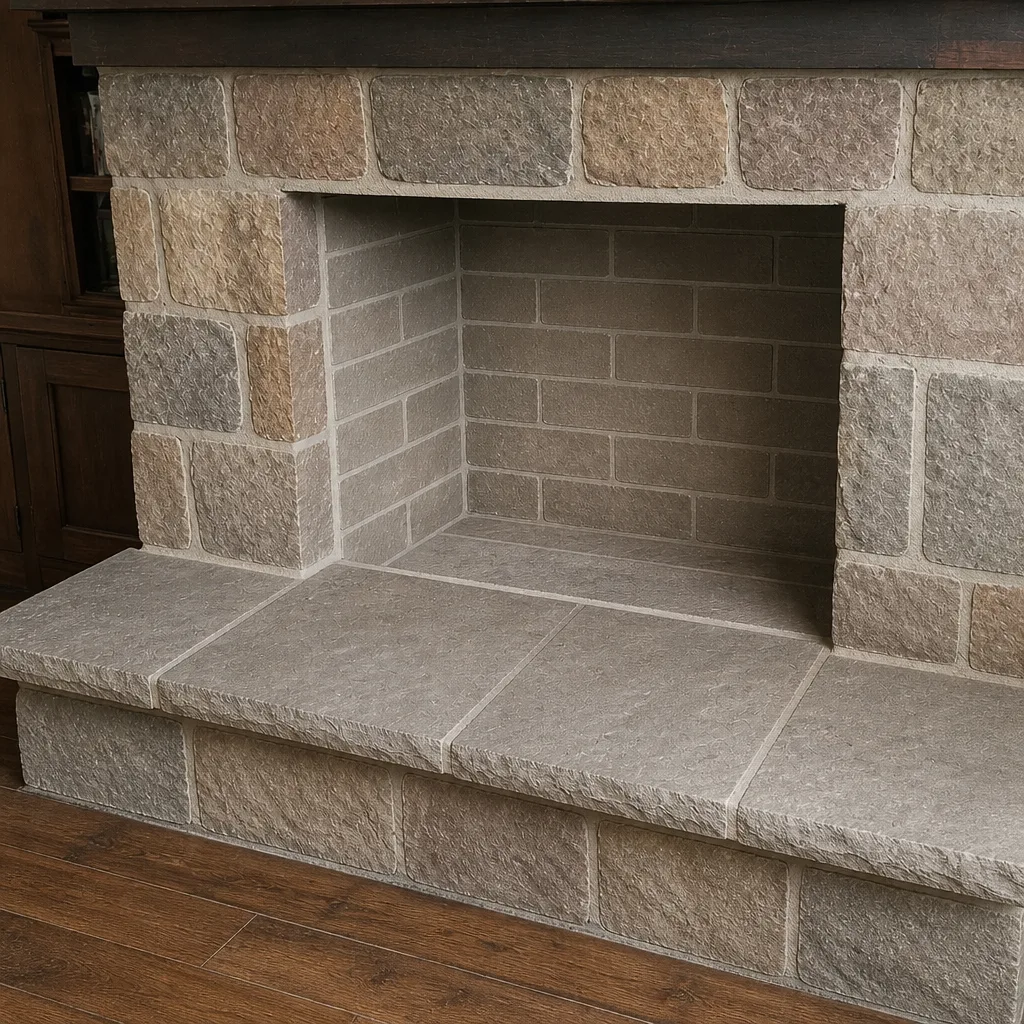
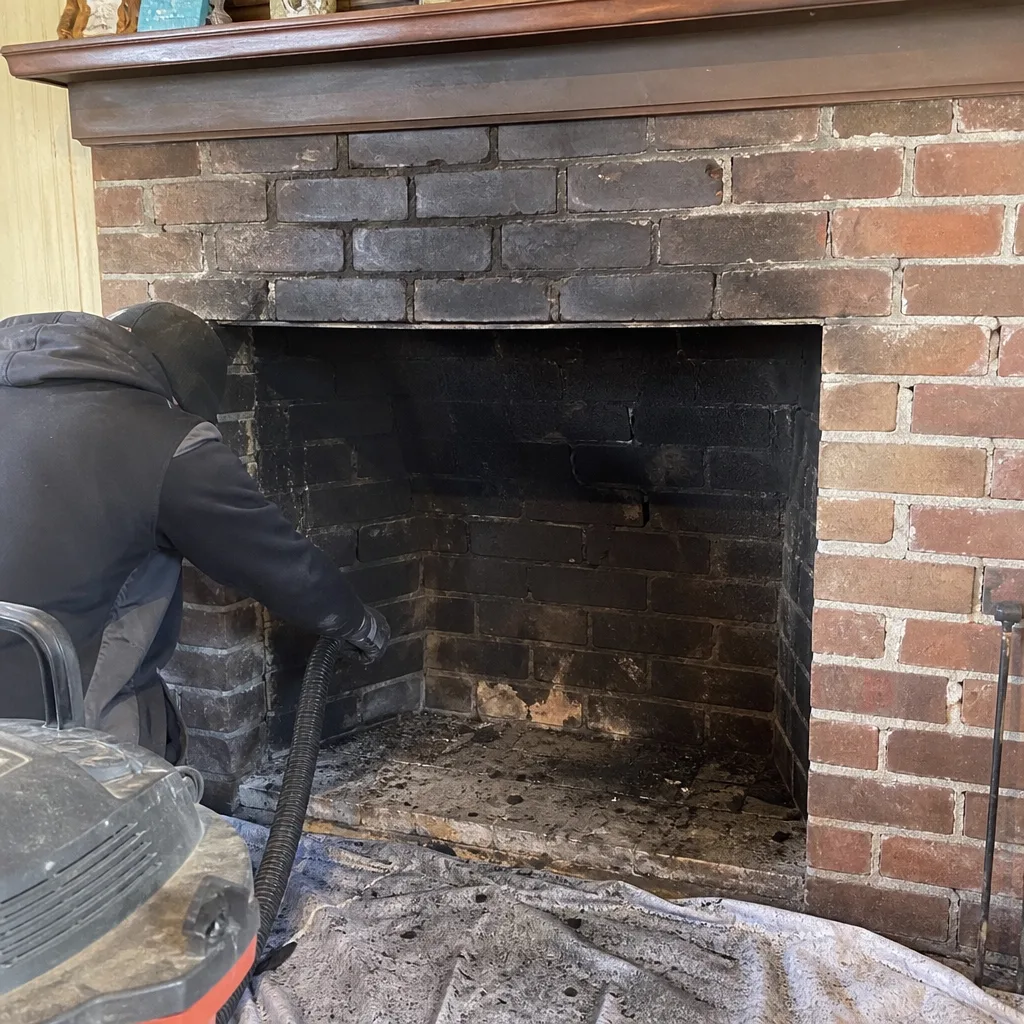
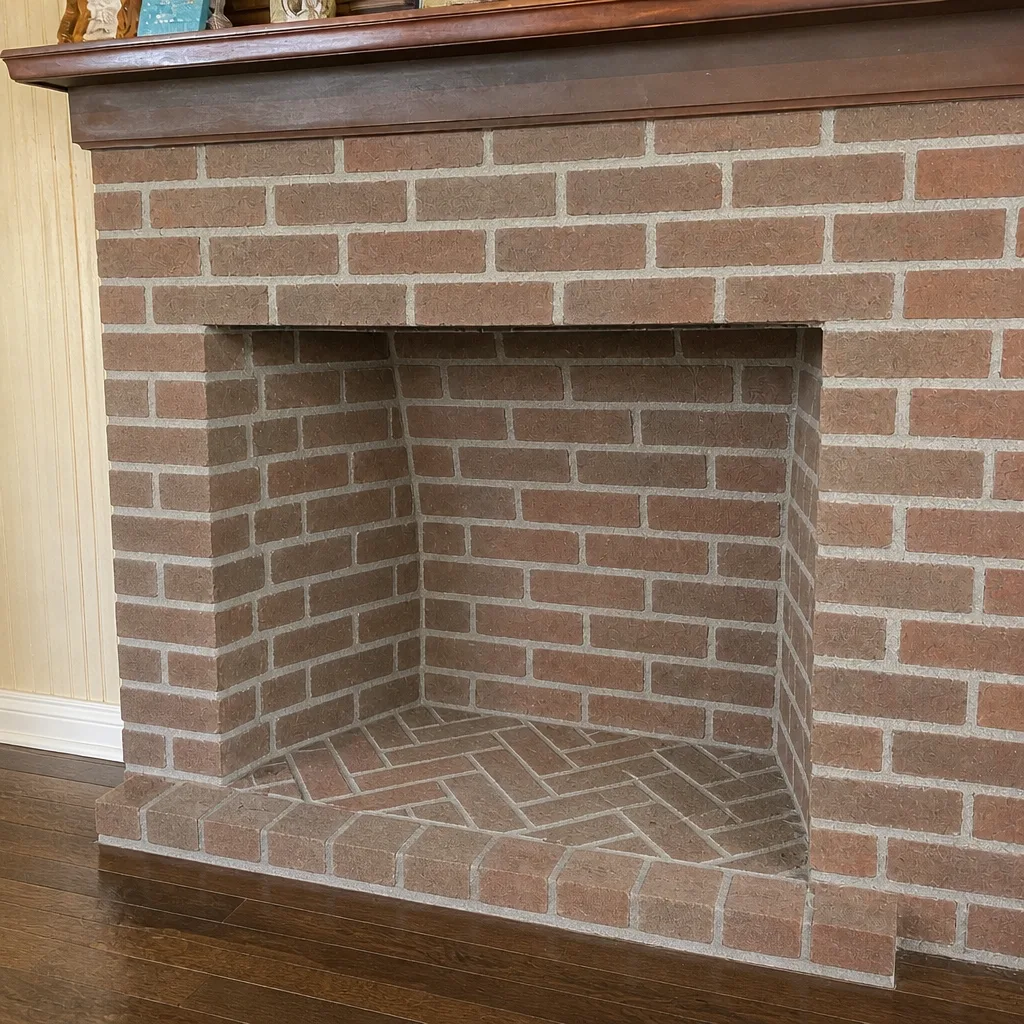
See the difference
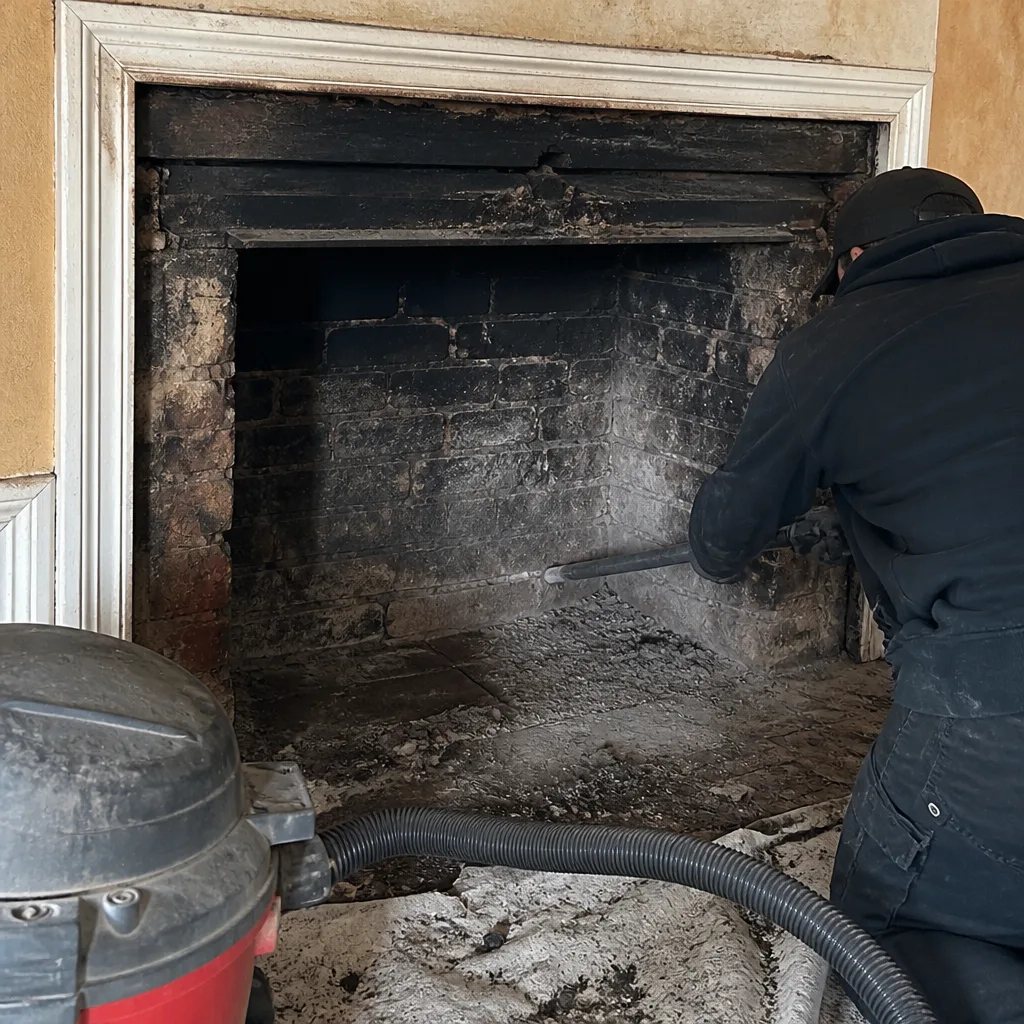 Before
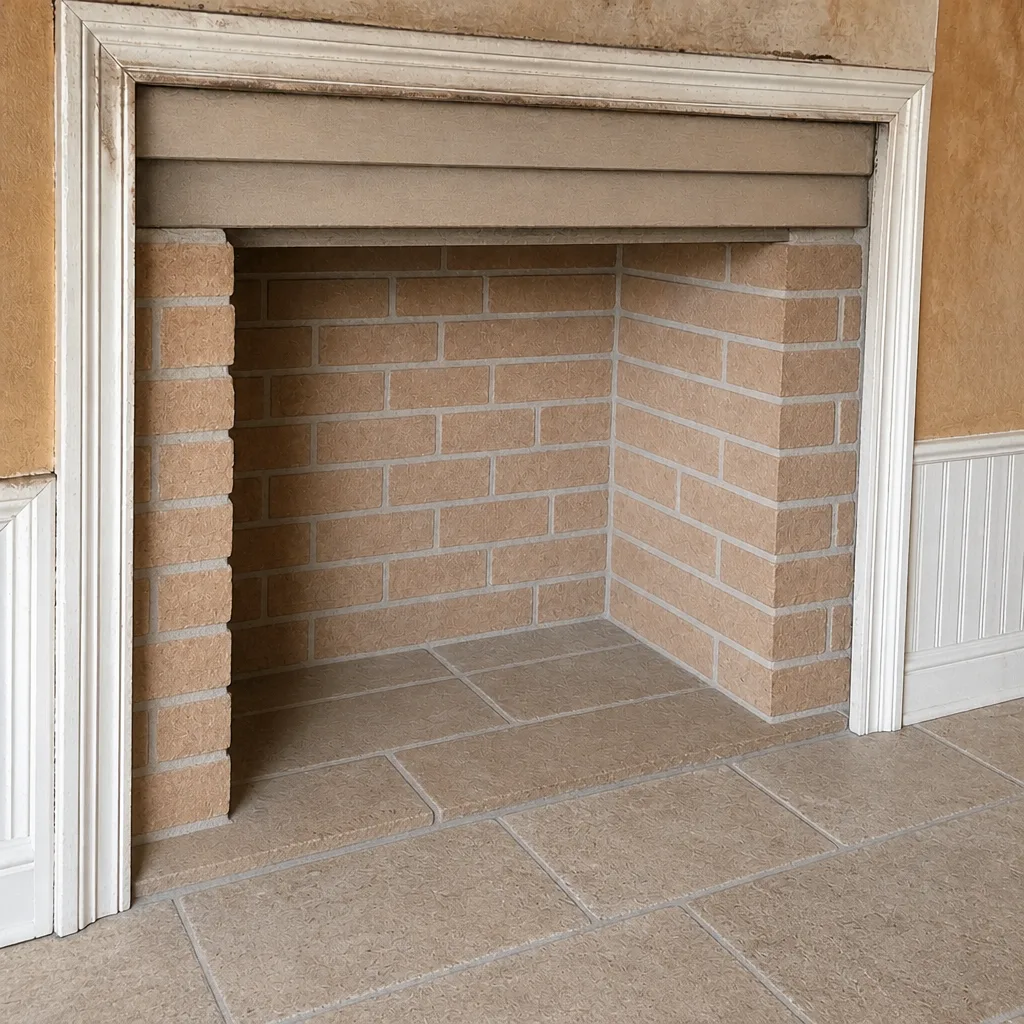 After
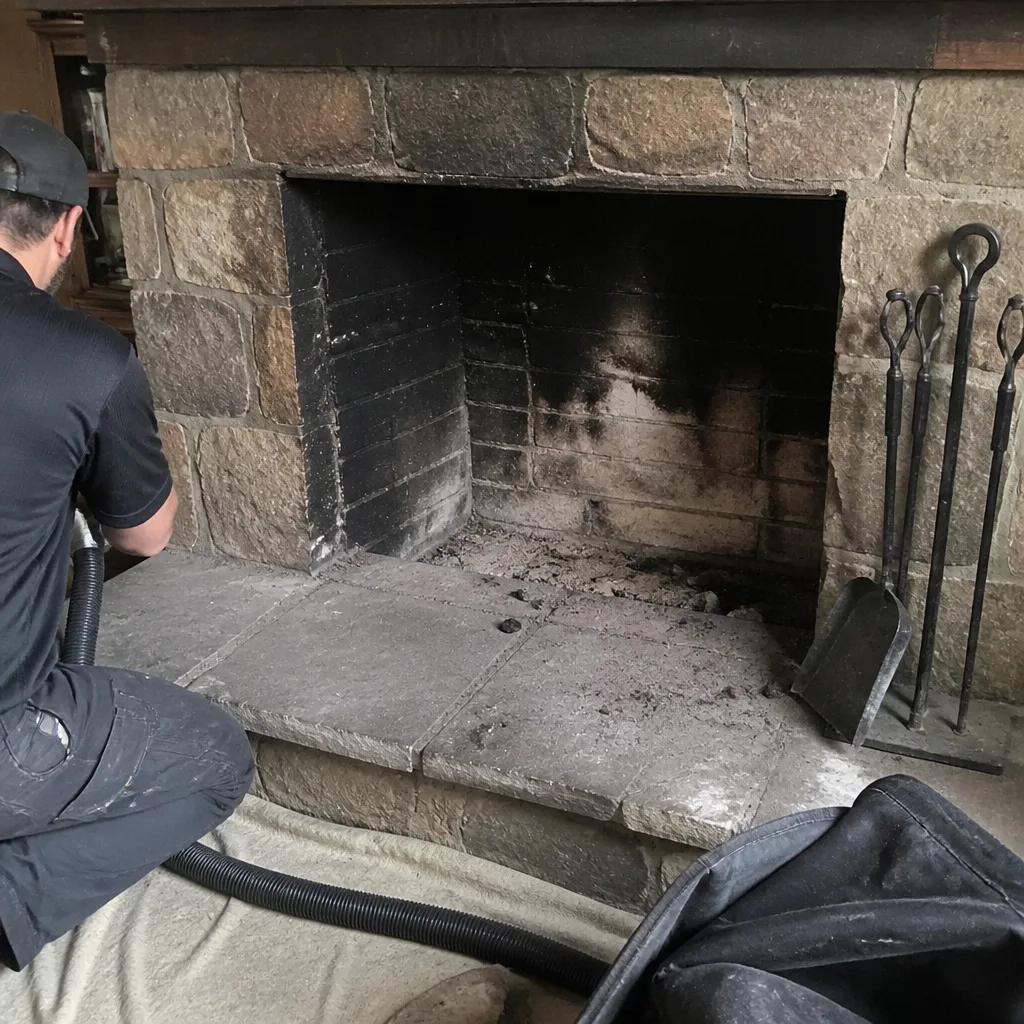 Before
 After
 Before
 After
Common Mistakes to Avoid
- Booking the annual sweep in November. November is the busiest month and the worst time to discover a problem, because there’s no time to fix it before the first fire. Book in September so a repair can be scheduled without a rush.
- Treating the cap as optional. A missing or damaged cap is the entry point for animals, rain, and debris all year. It’s one of the cheapest parts of chimney care and one of the most important.
- Ignoring a crack in the crown. A small crown crack in spring becomes a water path in summer and a masonry repair by the following spring. Seal or repair it when it’s small.
- Burning unseasoned wood to save money. Green wood wastes heat and deposits more creosote, and the extra sweeping and potential repair costs more than the wood savings.
- Sweeping without inspecting. A clean flue is not the same as a sound flue. A camera inspection is what catches a cracked tile or a failing liner joint, and cleaning doesn’t show you either.
- Lighting a fire with a blocked or obstructed flue. A nest, a fallen cap, or a collapsed tile can trap smoke and combustion gases in the home. If draft is weak or you hear animal activity, don’t light a fire until the flue is checked.
- Skipping the seasonal log. Without records, every inspection starts cold, and a slow-developing problem looks like a new one. Four dated entries a year is all it takes.
When to Call a Professional
Some checks are yours to do: the flashlight look at the cap, the damper test, the draft test with a piece of paper, the log entries. Others want a trained sweep. Call when you see smoke rolling into the room, hear animal activity in the flue, notice a crack in the crown or missing mortar, smell a strong acrid odor from the fireplace, or have a chimney that hasn’t been inspected in over a year. Call if you’re buying or selling a home in Parkside and need an inspection on record, or if you’ve moved into a home with a fireplace you haven’t used and don’t know its history. A chimney assessment is a standalone booking, so you can get a professional opinion without committing to any repair work.
Chimney Sweep Parkside offers free estimates in Parkside. Call (877) 770-1394. We answer 24/7. Fast dispatch from 7am to 7pm, Sunday through Friday. Our technicians have up to 11 years of experience, and we work on chimneys and fireplaces and nothing else.
Frequently Asked Questions
Once a year for most homes, and twice a year if you burn frequently through the winter. The annual sweep is the baseline, but it’s the seasonal checks around it that catch moisture, animal, and crown problems between sweeps. Call (877) 770-1394 for an exact quote on a sweep, and we’ll tell you what your chimney actually needs based on what we find.
Not always, and that’s the honest answer. A liner needs replacement when it’s cracked, deteriorated, or no longer suitable for the appliance, and that determination should come from a camera inspection you can see for yourself, not from a guess. In some cases, HeatShield resurfacing can restore a deteriorating flue interior instead of replacing the liner, which is a repair path sweep-only companies can’t offer. We’ll tell you exactly what we find and show you what needs fixing before we touch anything. Call (877) 770-1394 to book an inspection and get a straight answer.
Skipping one season rarely causes a sudden failure, but it does let small problems grow. A skipped spring check leaves a crown crack to widen over summer. A skipped summer check leaves a cap unrepaired and a nest to dry into tinder. A skipped fall sweep means the first fire burns on top of last season’s creosote. The risk that matters most is a chimney fire or carbon monoxide exposure, and both are tied to a flue that hasn’t been cleaned or inspected. Call (877) 770-1394 for an exact quote on a sweep and inspection.
Sweeping your own chimney is possible with the right brushes, but it comes with real limits: you can’t see the inside of the flue, you can’t confirm the liner’s condition, and you can’t safely clear an obstruction or a nest. The safety stakes are also higher than they look, since a flue that isn’t clear can send smoke and carbon monoxide into the home. A professional sweep with a camera inspection shows you what’s actually inside your chimney. Call (877) 770-1394 and we’ll take a look.
September is the best window, because it leaves time to schedule any repair the inspection turns up before the first fire. November is the busiest month and the tightest deadline. Booking in spring or early fall gives you more options and a calmer start to the heating season. Call (877) 770-1394 for an exact quote and we’ll find a time that works.
Yes, and it’s one of the least expensive parts of chimney care. A cap with a screen blocks animals, rain, and debris from entering the flue year-round, which is why it’s the centerpiece of summer care in Parkside. A missing or damaged cap is a direct path into the flue for everything the seasons send. Call (877) 770-1394 for a free estimate on a cap or an inspection of your existing one.
The Bottom Line
A chimney doesn’t ask for much, but it does ask for attention in every season. Spring is for catching freeze-thaw damage and clearing post-winter moisture. Summer is for capping, screening, and waterproofing before the fall rain. Fall is for sweeping in September, testing the damper, and confirming draft before the first fire. Winter is for burning well, watching for warning signs, and taking carbon monoxide seriously. Keep a simple seasonal log so each year’s findings can be compared to the last, and call a professional when anything changes. Any of the four seasonal checkpoints is a good reason to get a sweep on the calendar. Chimney Sweep Parkside handles the full chimney system, from the firebox to the crown, with cleaning, inspection, cap and crown work, liner repair, and fireplace repair under one company. Call (877) 770-1394 for a free estimate. We answer 24/7. Fast dispatch from 7am to 7pm, Sunday through Friday.
Written by the team at Chimney Sweep Parkside.