
Last updated November 24, 2026
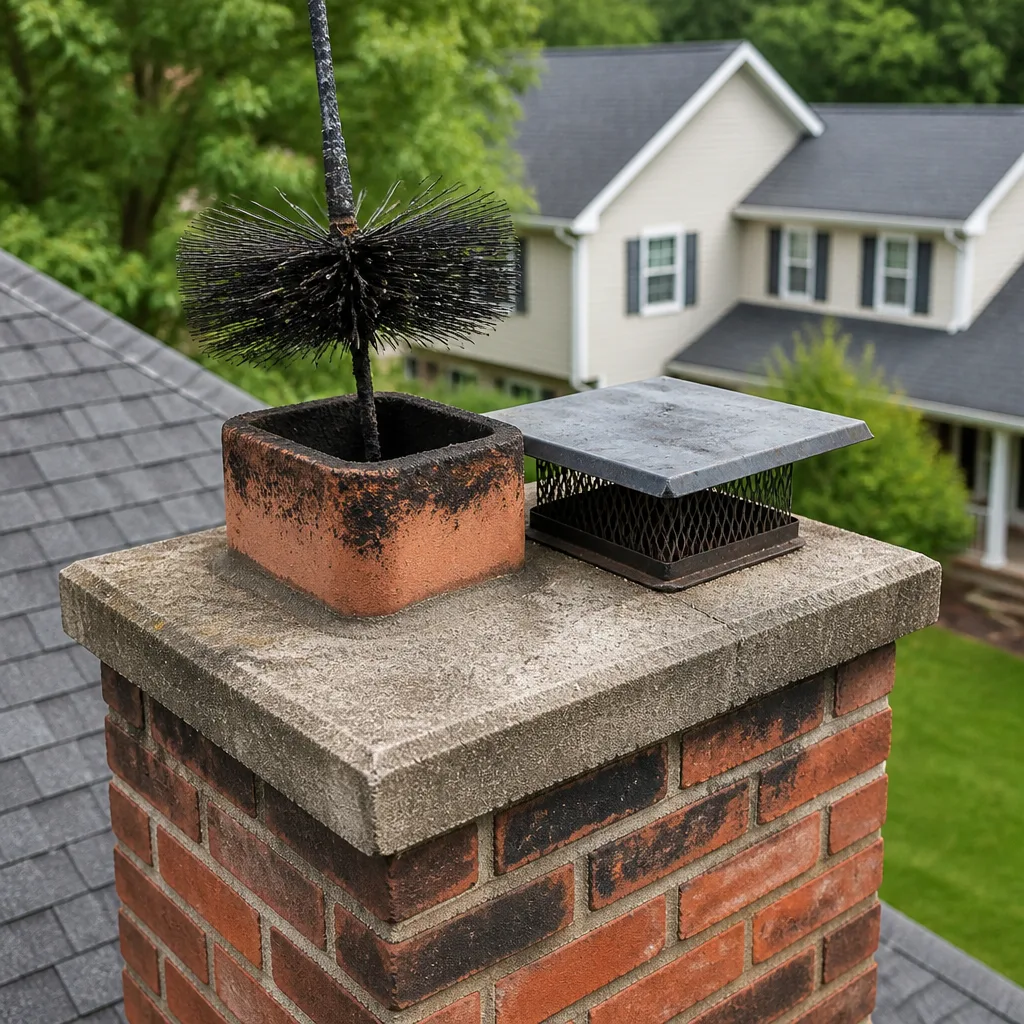 Sweep & inspection
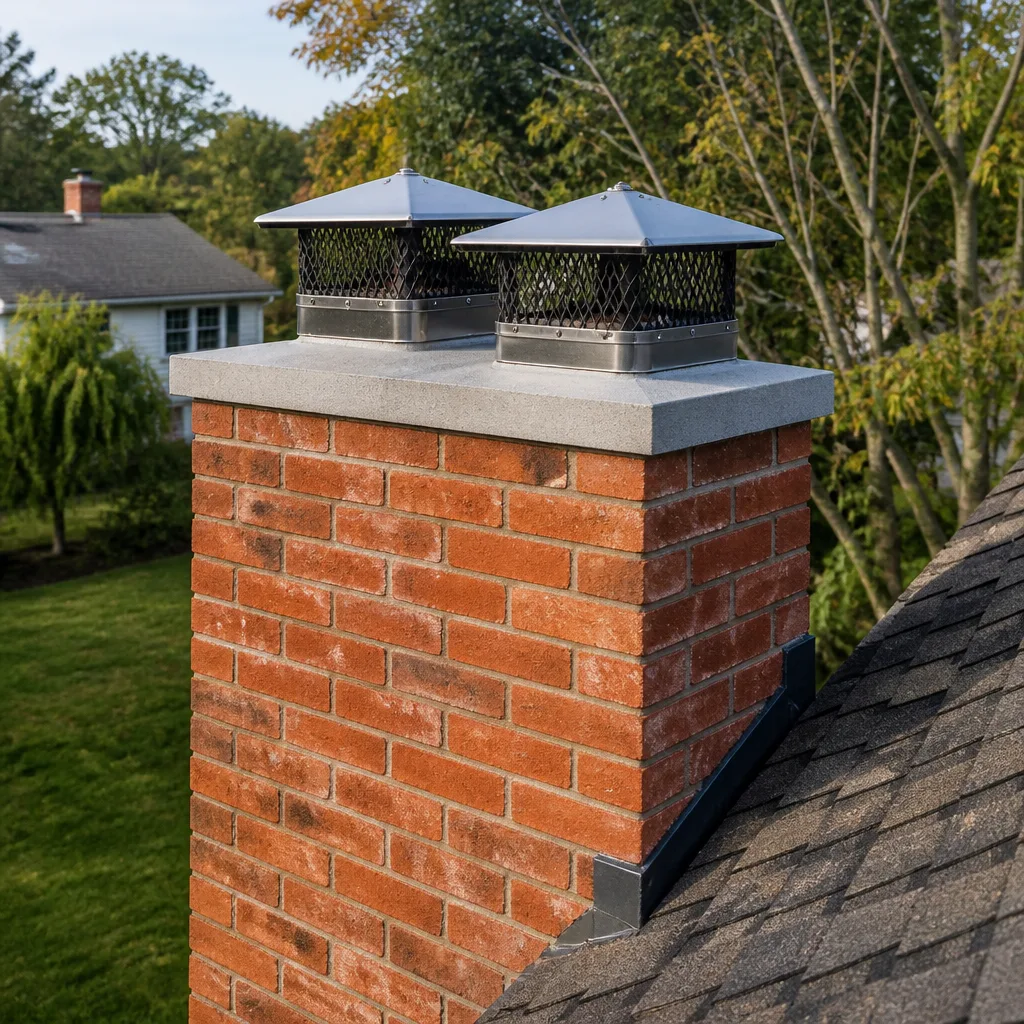 Caps & crowns
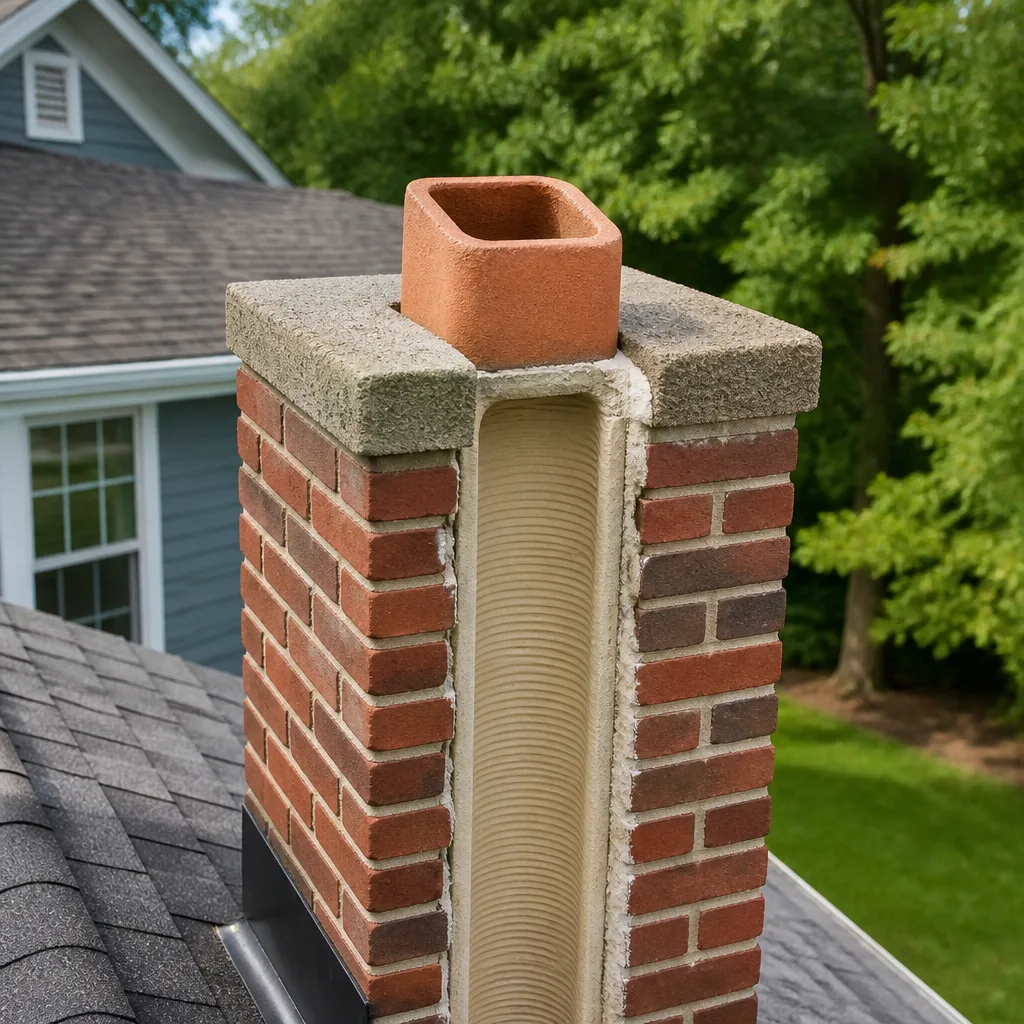 Flue relining
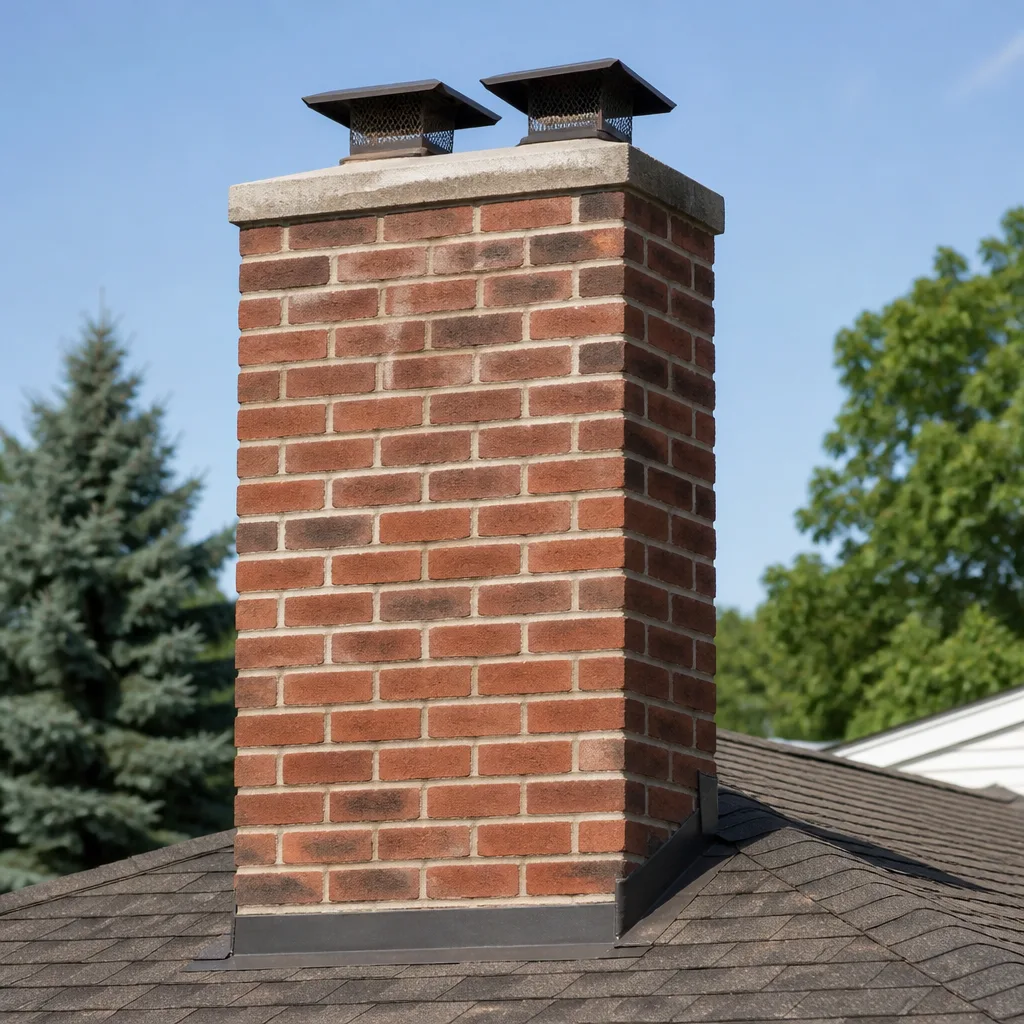 Masonry repair
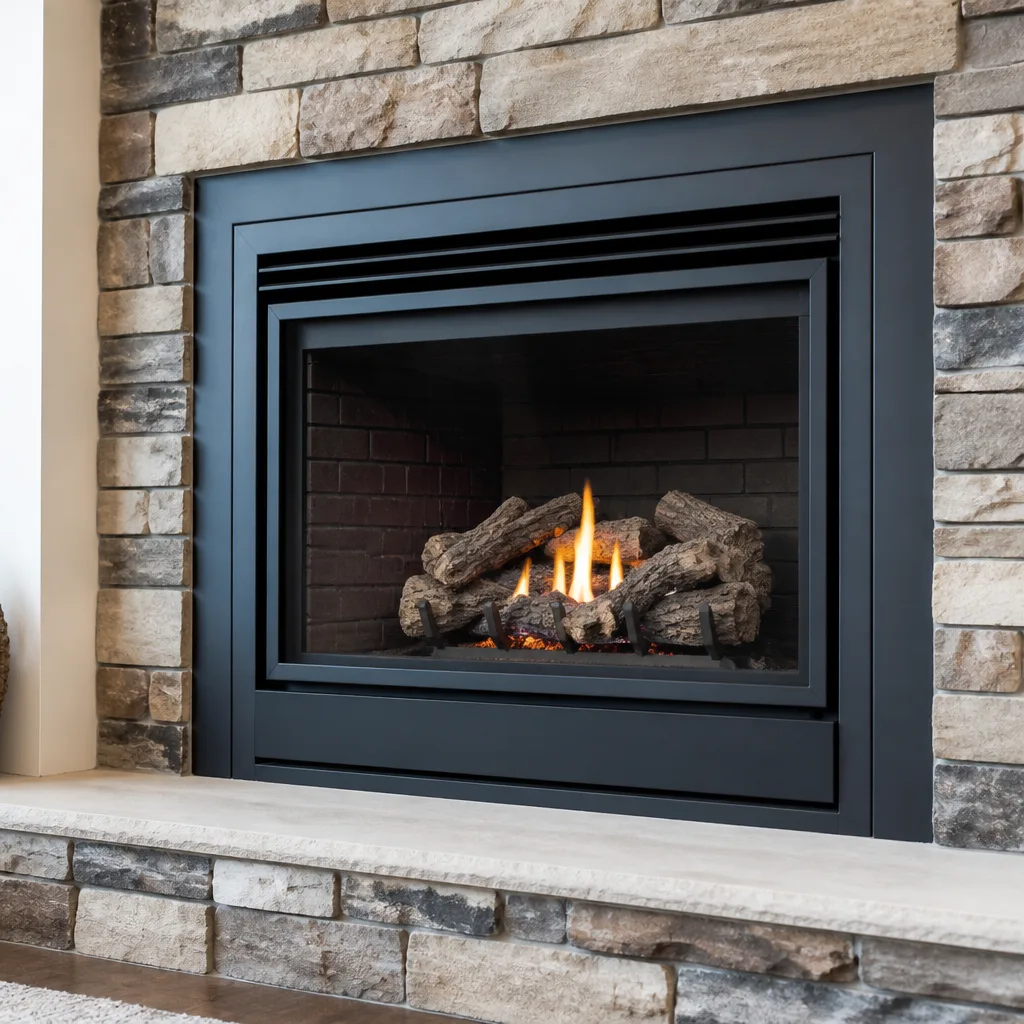 Gas fireplace service
Level 1 sweep and inspection to the NFPA 211 annual standard - flue, crown, cap, and flashing checked and photographed
Chimney sweep logs do not sweep chimneys. They loosen some creosote - which then falls where a brush and vacuum still have to collect it.
How to Hire a Chimney Cleaning Contractor in Parkside: A Step-by-Step Guide
In New York State, anyone with a brush and a van can legally call themselves a chimney sweep. There is no state-issued chimney contractor license, which means the burden of vetting falls entirely on the homeowner. That’s the part most Parkside homeowners don’t find out until they’ve already paid for a sweep that missed a cracked flue tile or a nest packed against the damper. This guide walks you through exactly how to tell a real chimney specialist from a generalist with a brush, what credentials actually mean, which questions separate the two, and how to read a written estimate so the low quote stops looking like a bargain. You’ll come away knowing how to hire for your Parkside home with your eyes open.
Quick Answer
To hire a chimney cleaning contractor in Parkside, verify three things before booking: current CSIA certification of the technician doing the work, written proof of insurance that specifically covers chimney work, and a written estimate that itemizes a camera inspection and a written report. Ask whether the company works on chimneys as its only trade. A specialist answers all four cleanly. A generalist add-on service usually can’t.
Styles & brands we work with
- Sweep & inspection
- Caps & crowns
- Flue relining
- Masonry repair
- Gas fireplace service
Table of Contents
- Why New York Has No Chimney License (and What Replaces It)
- What CSIA Certification Actually Verifies
- The Five Questions to Ask Before You Book
- Why the Lowest Quote Usually Skips Steps
- What a Legitimate Written Estimate Should Itemize
- How to Verify Insurance for Chimney Work
- Specialist vs. Generalist: What the Difference Costs You
- Timing Your Sweep Around Parkside’s Burning Season
Why New York Has No Chimney License (and What Replaces It)
New York does not issue a chimney contractor license. There’s no state exam, no state registry, and no state board that disciplines a sweep who does shoddy work. What exists instead is a patchwork: voluntary industry certification, general contractor registration in some municipalities, insurance requirements that vary by insurer, and whatever reputation a company has built on its own. That patchwork is why a homeowner in Parkside has to do the vetting personally.
The absence of a license doesn’t mean the trade is unregulated. It means the signals of competence are things you have to ask for and read. In our experience, the companies worth hiring are the ones who volunteer their credentials before you ask. The ones who get defensive about questions are telling you something.
Here’s what actually stands in for a state license in this trade:
- CSIA certification (Chimney Safety Institute of America) – a voluntary credential held by individual technicians, not companies. Verifiable.
- Proof of liability insurance – with a certificate of insurance you can read and a policy that covers chimney work specifically.
- Proof of workers’ compensation – because a technician on your roof who isn’t covered is your problem, not their employer’s.
- A written estimate – itemized, signed, with a scope of work and a price that doesn’t change after the fact.
- Local reputation – verifiable through reviews, but only if you read past the star count to the specific complaints.
If you’re comparing two companies and one can produce all five and the other can produce one, you have your answer regardless of price. Our team at Chimney Sweep Parkside works on chimneys and fireplaces and nothing else, and we’ll show the paperwork for every one of those items when you ask for it.
What CSIA Certification Actually Verifies
CSIA certification is the closest thing this trade has to a recognized credential, and it’s worth understanding exactly what it does and doesn’t cover. A certified technician has passed a written exam on chimney and venting fundamentals, has agreed to a code of ethics, and must recertify on a cycle. What it verifies is technical knowledge and a commitment to standards. What it does not do is license the company, guarantee the quality of the work, or replace a written contract.
Three things to keep in mind:
- Certification belongs to the person, not the company. A company can advertise “CSIA certified” while sending an uncertified helper to do the actual sweep. Ask who will be on-site and whether that specific technician is certified.
- Certification can lapse. The CSIA maintains a lookup for current certification. Any company that tells you it can’t be checked is telling you something. Verify it yourself against the CSIA’s public database before the appointment, not after.
- Certification covers the technician’s knowledge, not the company’s insurance or business practices. A certified sweep can still work for a company with no liability coverage. You need both.
For a Parkside homeowner, the practical answer is this: ask for the certified technician’s name and certification, verify it, and confirm that person is the one doing the work. That’s a two-minute check that filters out most of the noise. If a company can’t or won’t provide it, the conversation is over.
The Five Questions to Ask Before You Book
These five questions do most of the vetting for you. Ask them on the phone before you schedule anything. The answers, and the willingness to answer them, reveal whether you’re talking to a chimney specialist or to a generalist who added sweeping to a menu of other services.
- “Is chimney work your company’s only trade?” A specialist says yes without hesitation. A generalist says “we do a little of everything.” Chimney systems have their own codes, their own failure modes, and their own hardware. A roofer, handyman, or HVAC company that also offers sweeps is generally not the right hire for the inside of your flue.
- “Will you run a camera inspection and give me a written report?” A camera lets the technician see the flue interior, joint by joint, and record what’s there. A company that skips this step can miss cracks, gaps, and deterioration that a brush alone will never reveal. No camera and no report means no verifiable diagnosis.
- “What will you do if you find something?” Listen for whether the company can handle the repair in-house or has to refer you out. A sweep-only company cleans and then hands you a list of things to fix without being able to fix them. A full-scope company can carry the job from cleaning through liner repair, cap and crown work, and fireplace restoration.
- “Who’s insured, and can I see the certificate?” Ask for the certificate of insurance naming liability coverage and workers’ comp. More on how to read it in the insurance section below.
- “What’s the exact price, and what’s included in it?” A straight answer comes with a written estimate. A vague answer, “we’ll see when we get there,” is a red flag. You should know the price and the scope before the technician climbs onto your roof.
Ask all five and you’ll know more about a company than any review page will tell you. In our experience, the specialists answer these without being prompted.
Why the Lowest Quote Usually Skips Steps
The lowest quote in the pile is the one that’s easiest to undercut, because the cost savings almost always come from leaving something out. A sweep without a camera inspection is faster and cheaper than a sweep with one. A sweep with no written report takes less time than a sweep that produces a documented assessment. A sweep that never checks the cap, crown, or flashing skips work that a full-scope company has to account for. None of these shortcuts are fraud. They’re just less work, and less work costs less.
That’s the trap for a Parkside homeowner: the low quote isn’t cheaper because the company is more efficient. It’s cheaper because the scope is smaller. A flue that gets brushed but never inspected can pass a “cleaning” and still be one joint away from a problem that costs far more to fix than a documented sweep would have cost to prevent.
What you actually want in a quote is not the lowest number but the most itemized one. A quote that lists the sweep, the inspection, the camera, the report, and any findings as separate line items is telling you what you’re paying for. A quote that just says “chimney cleaning, $X” is telling you nothing about what the technician will or won’t do once they’re on the roof.
One more thing: the seasonal squeeze is real here. When the first cold snap hits in autumn, every sweep in the area gets booked out fast, and the price pressure runs the other way. Booking a sweep ahead of burning season, when there’s no urgency, is how you get the itemized quote instead of the rushed one. We don’t chase emergency pricing and we won’t quote you a premium for a cold night.
What a Legitimate Written Estimate Should Itemize
A written estimate is the single most useful document you’ll get from any chimney company. It’s also the easiest place to spot a bad hire before they touch your chimney. Below is what a legitimate estimate should contain, and what vague line items signal.
A solid estimate should itemize:
- The cleaning scope – which flue or fireplace, and what type (wood, gas, wood insert) is being swept.
- The inspection scope – what level of inspection is being performed, and whether it includes the camera and a written report.
- Any findings documented separately – so the cleaning price doesn’t hide an upsell for repairs you haven’t agreed to.
- A flat price for the booked work – agreed before the appointment, not changed after the fact.
- A separate estimate for any repair – presented with evidence, and with the option to defer anything that can safely wait.
What vague line items signal is a company that either can’t document its work or doesn’t want to. If the estimate says “chimney work – to be determined” or “starting at $X,” you don’t have an estimate. You have a placeholder.
Our flat price is agreed before we book, and the sweep includes a camera inspection and photo report so you can see what we see. If we find something, you get a separate written estimate, and we’ll tell you plainly when a repair can wait. We use chimney repair as a distinct line item from cleaning and inspection because they’re different jobs with different scopes, and blending them into one number is exactly how a homeowner ends up paying for work they didn’t need or missing work they did.
How to Verify Insurance for Chimney Work
Insurance is the part of vetting that homeowners skip most often, and it’s the one that matters most when something goes wrong. General liability insurance and workers’ compensation are the two you need to see. The certificate of insurance (COI) is the document that proves both.
When you ask for the COI, look for three things:
- The company’s legal name matches the name on your estimate. If the certificate is for a different entity, ask why.
- General liability coverage is active with a policy period that includes your scheduled date. An expired certificate is no certificate.
- Workers’ compensation is listed with the same policy period. A technician injured on your roof without workers’ comp is a problem that can land at your door.
Two nuances worth knowing. First, ask whether the policy specifically covers chimney work, roof access, and related trades. A general business liability policy may exclude the height and access work that chimney service involves. Second, call the insurance agent listed on the certificate to verify it’s current. It takes a minute and it’s the difference between a document and a real assurance.
A company that can’t produce a current COI within a day of your request is not a company you want on your roof. Our technicians have up to 11 years of experience, and the professionals we connect you with are licensed and insured as their state requires. We’ll show the certificate every time you ask.
Specialist vs. Generalist: What the Difference Costs You
A chimney specialist does chimney work and only chimney work. A generalist adds sweeping to a broader service list. The difference shows up in three places: how thoroughly the flue gets inspected, whether the company can carry a repair through to completion, and whether you end up needing a second contractor to finish what the first one found.
Here’s what a specialist brings that a generalist usually doesn’t:
- A full-scope service lifecycle – sweeping, inspection, repair, cap and crown work, and fireplace repair handled by one company instead of three.
- Access to professional-grade components – liner and cap materials from brands like DuraFlex, Olympia Chimney, and Famco, used industry-wide rather than big-box substitutes.
- Restoration capability – HeatShield flue resurfacing for deteriorating interiors that a sweep-only company can only report and refer out.
- Standalone inspection – a professional assessment booked on its own, with no repair commitment required, which matters for buyers, sellers, and realtors.
If you’re buying or selling a home in Parkside, that last point is worth its own paragraph. A chimney inspection as a standalone booking gives you or your buyer a credible document to put in the file, without being pushed toward repair work you didn’t ask for. When the chimney sweep appointment is booked, you should know whether the inspection is included as a documented part of the sweep or whether it’s a separate upsell. Don’t assume. Ask.
One more: if the chimney needs a new cap or a crown repair, ask whether the company installs those in-house using branded components. Cap and crown work is where a sweep-only company stops, and where a specialist continues.
Timing Your Sweep Around Parkside’s Burning Season
Parkside’s burning season starts with the first cold snap and runs through the spring. That means the ideal time to hire a sweep here is the shoulder season, before the fireplace gets regular use. Booking early gives you the itemized quote, the choice of dates, and the time to fix anything the inspection turns up before you’re relying on the fireplace nightly.
Three timing points worth planning around:
- Before the first burn. A sweep and inspection ahead of burning season is how you start the season on a flue you know something about, rather than one you hope is fine.
- After a heavy burning season. If you burned regularly last winter, a spring sweep clears the creosote and soot that accumulated and gives you a clean baseline for the off-season.
- Before a home sale. A standalone inspection documented before the sale closes is a credible, verifiable record for both sides.
The urgency here is seasonal, not hourly. A sweep is a booked appointment, not an emergency call. We don’t chase same-day dispatch as a marketing point. What we do is book you into a real slot, show up with the camera and the report, and tell you what we find before we touch anything. If you need a date locked in before the cold hits, calling ahead is the whole strategy.
One related detail: caps and crowns take the worst of any weather that hits Parkside through the year. When you book the sweep, ask whether the technician checks the cap and the crown on the same visit. If the answer is no, that’s a scope gap you’ll want to know about.
Common Mistakes to Avoid
- Hiring on price alone. The cheapest sweep in Parkside is usually the one with the smallest scope, not the one with the best process. Price tells you what’s being left out, not how efficient the company is.
- Not verifying the certification is current. Ask for the name of the technician who’ll be on-site, then check that certification against the CSIA’s public lookup. A lapsed certificate is a real thing, and a company that advertises “certified” without qualification may not send a currently certified tech.
- Skipping the insurance check. Ask for the certificate of insurance and confirm the policy period. A technician injured on your roof without workers’ comp can end up as your liability.
- Accepting an estimate without a camera inspection or a written report. A sweep that produces no evidence is a sweep you can’t audit. Insist on the camera and the report before booking, not after.
- Assuming the “cleaning” covers the inspection. Some companies treat those as separate services. Confirm which one you’re buying and whether the report is included.
- Booking during the autumn rush. Wait until the first cold snap and you’re competing for slots with everyone else. Book the sweep ahead of Parkside’s burning season, when the calendar is open.
- Letting a sweep-only company hand you a repair list it can’t complete. Ask up front whether repairs, cap and crown work, and liner restoration can be handled by the same company. Otherwise you’re hiring a second contractor anyway.
See the difference
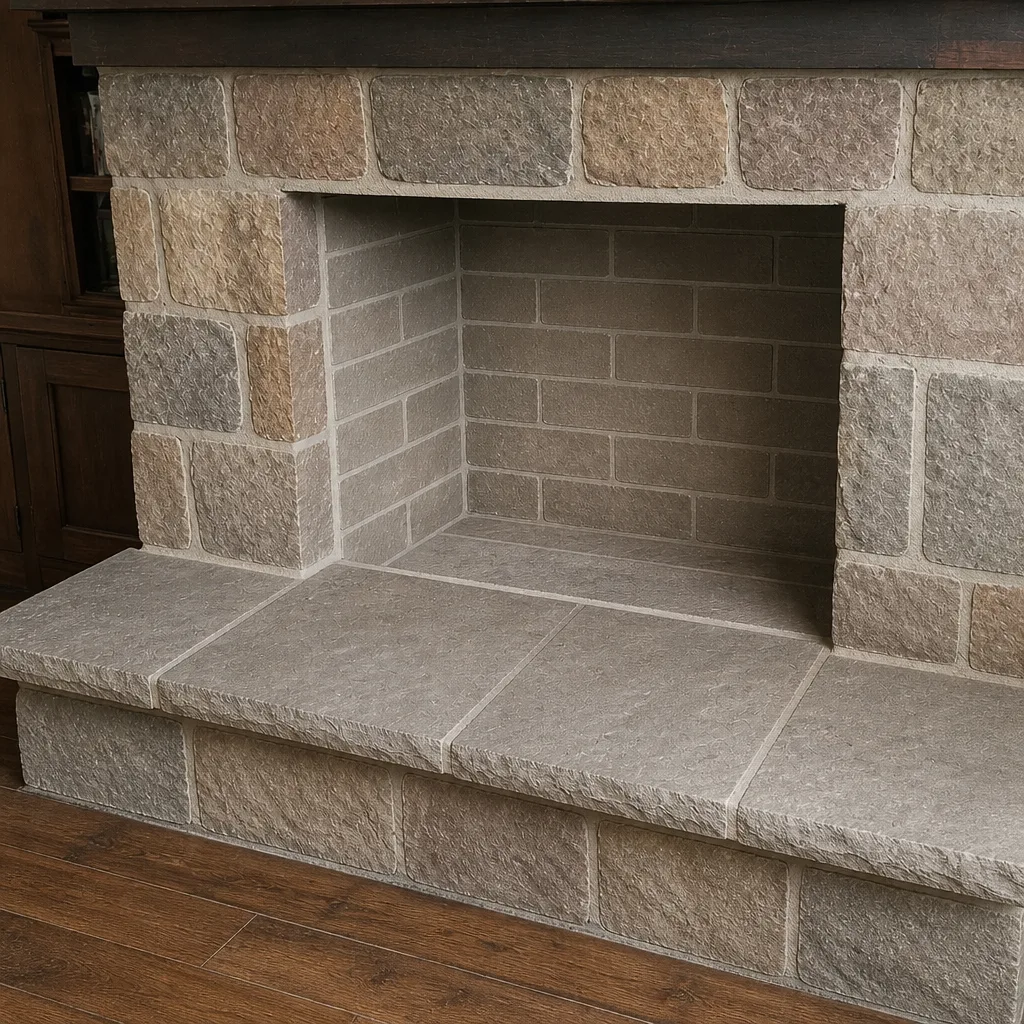
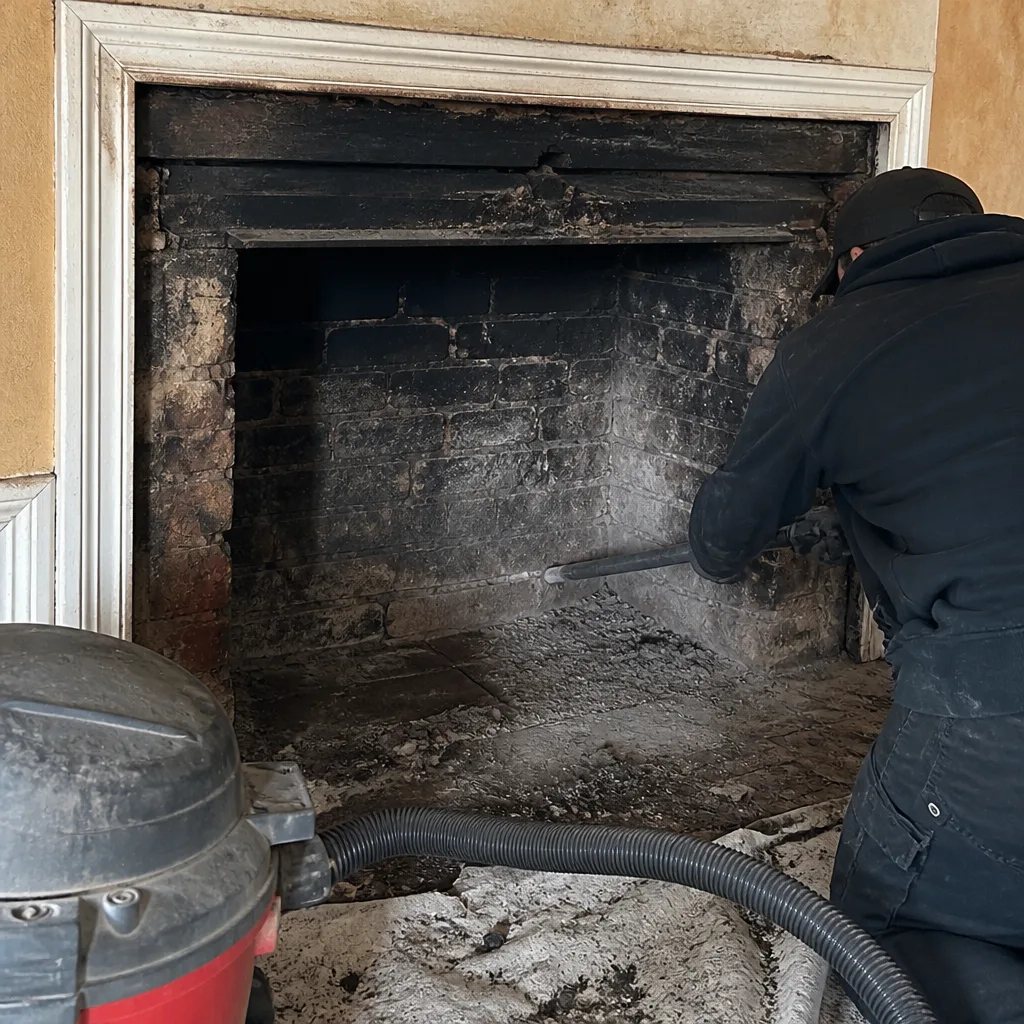 Before
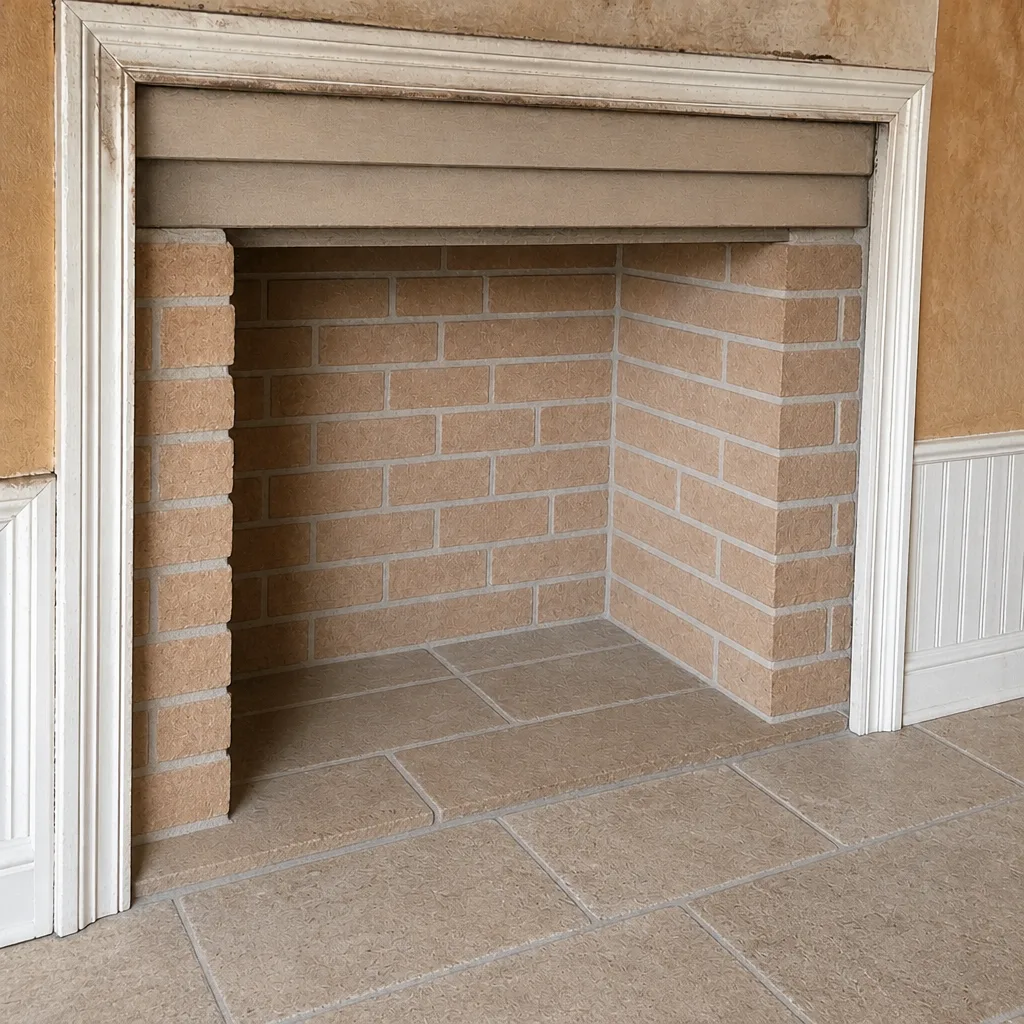 After
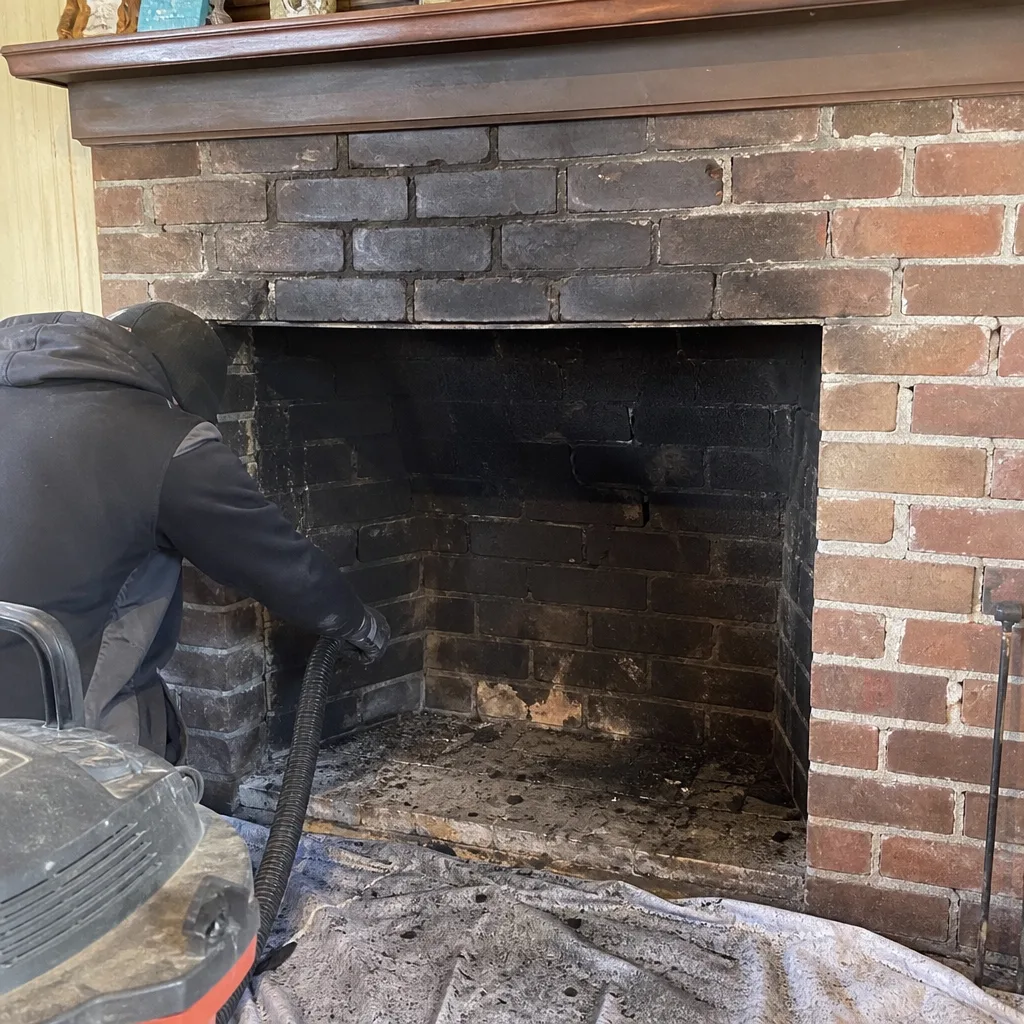
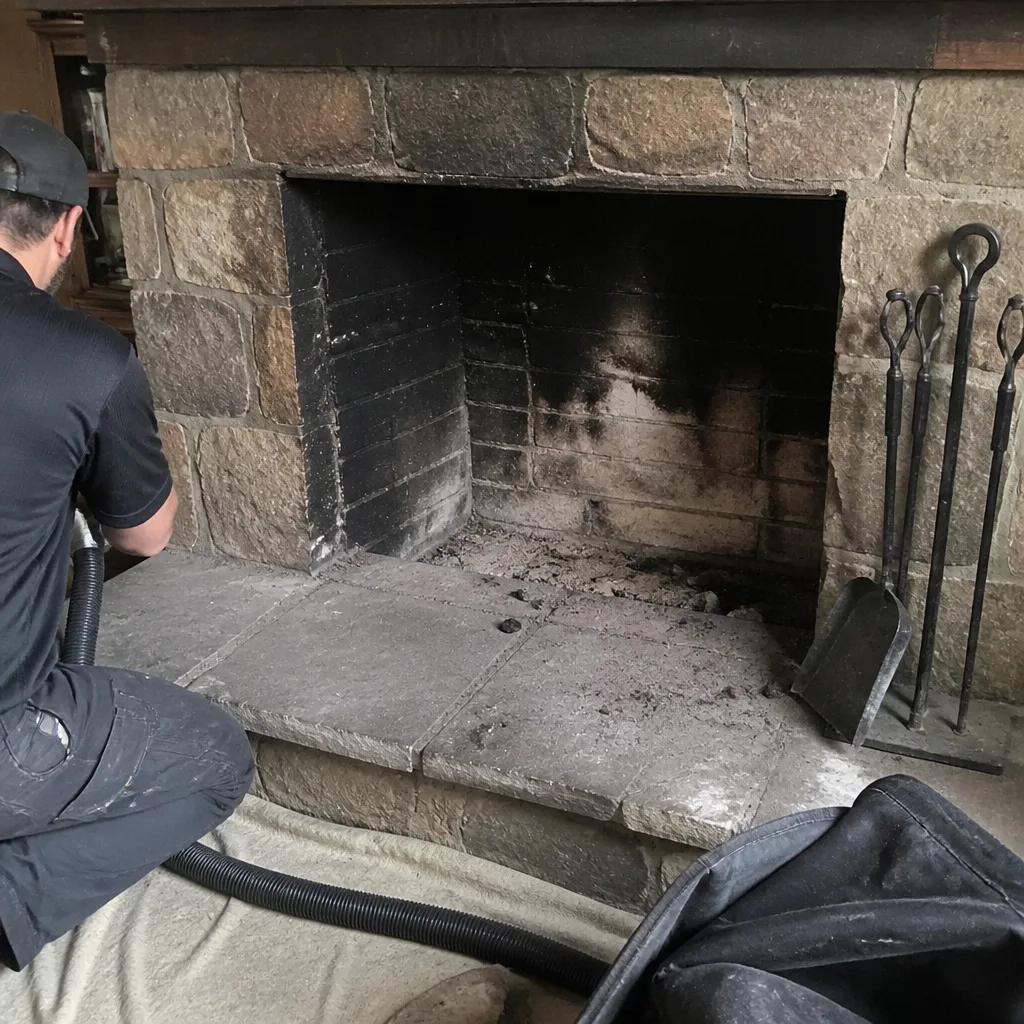 Before
 After
 Before
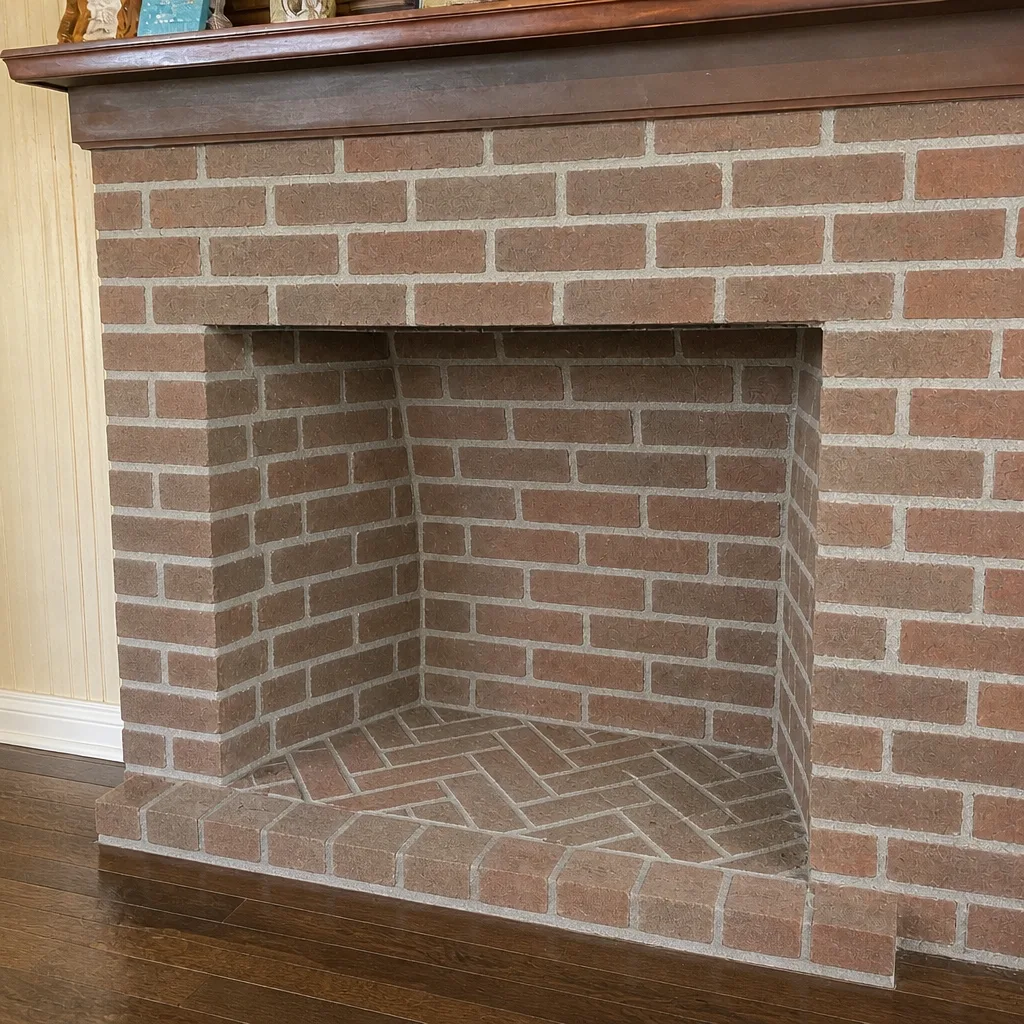 After
When to Call a Professional
Some jobs are worth a call rather than a guess. Book a professional sweep and inspection if you haven’t had the flue cleaned since last burning season and you burn wood regularly. Call if you smell smoke in the room when the fireplace isn’t in use, if the draft feels weak, if the fire smokes into the room, or if there’s visible soot or damage around the damper. Call before you use it if you’ve just bought a house in Parkside and have no service record for the chimney. Call if you’ve had a chimney fire or a creosote smell that didn’t go away. And call if you’re selling or buying and need an inspection documented in writing. Chimney Sweep Parkside offers free estimates in Parkside, and the professional can carry the job from sweep through inspection, cap, crown, and repair. Call (877) 770-1394 to book.
Frequently Asked Questions
A chimney sweep in Parkside is priced per job by written estimate, and the estimate itself is free. The price depends on the flue, the fireplace type, and whether a camera inspection and report are included. You’ll know the flat price before we book, and it won’t change after the fact. Call (877) 770-1394 for an exact quote, estimates are free.
Not always, and you should never take that recommendation on faith. A liner is only needed when the existing flue is shown, with camera evidence, to be cracked, deteriorated, or improperly sized. A specialist should show you the photos and let you decide. If the flue is sound, cleaning and a documented inspection are the whole job. If it’s not, HeatShield resurfacing or a DuraFlex liner may be the fix, and we’ll tell you plainly when the work can safely wait. Call (877) 770-1394 for a free estimate.
The general guidance is an annual inspection, with sweeping as often as the flue needs it based on how much you burn. A heavy wood burner in Parkside will need more frequent sweeps than an occasional-fireplace household. The inspection is what tells you whether the flue is ready. Call (877) 770-1394 to book your sweep and inspection.
Creosote builds up in the flue with every fire, and a flue that’s never swept can hide deterioration a brush alone won’t reveal. The risks are chimney fire and carbon monoxide, so skipping it isn’t something we recommend against lightly. The reason to act now is safety, not sales pressure. Call (877) 770-1394 for a free estimate.
Yes. A standalone inspection is a professional assessment booked on its own, with no repair commitment required. That’s exactly the booking to make if you’re buying or selling in Parkside and need a credible document on record. Call (877) 770-1394 to book an inspection.
New York does not issue a chimney contractor license, so no company in Parkside can hold one. What matters instead is CSIA certification of the technician, current liability and workers’ compensation coverage, and a written estimate. Ask for all three before booking, and ask whether chimney work is the company’s only trade. Our technicians have up to 11 years of experience, and the professionals we connect you with are licensed and insured as their state requires. Call (877) 770-1394 with questions.
The Bottom Line
Hiring a chimney cleaning contractor in Parkside comes down to four checks: current CSIA certification of the technician on-site, proof of insurance that covers chimney work, a written estimate that itemizes the sweep and the inspection, and a yes to whether chimney work is the company’s only trade. The lowest quote usually skips steps rather than being more efficient. Book ahead of burning season, ask the five questions before you schedule, and insist on the camera and the report. If you want a specialist who handles the full system from firebox to crown, including chimney cap & crown work and HeatShield flue resurfacing, we’d be glad to take the call. One company, one scope, no second contractor needed.
Contact Chimney Sweep Parkside
Chimney Sweep Parkside offers free estimates and handles sweeping, inspection, repair, cap and crown work, and fireplace repair for Parkside homeowners. Call (877) 770-1394 for a free estimate. We answer 24/7. Fast dispatch from 7am to 7pm, Sunday through Friday.
Written by the team at Chimney Sweep Parkside.