
Last updated November 24, 2026
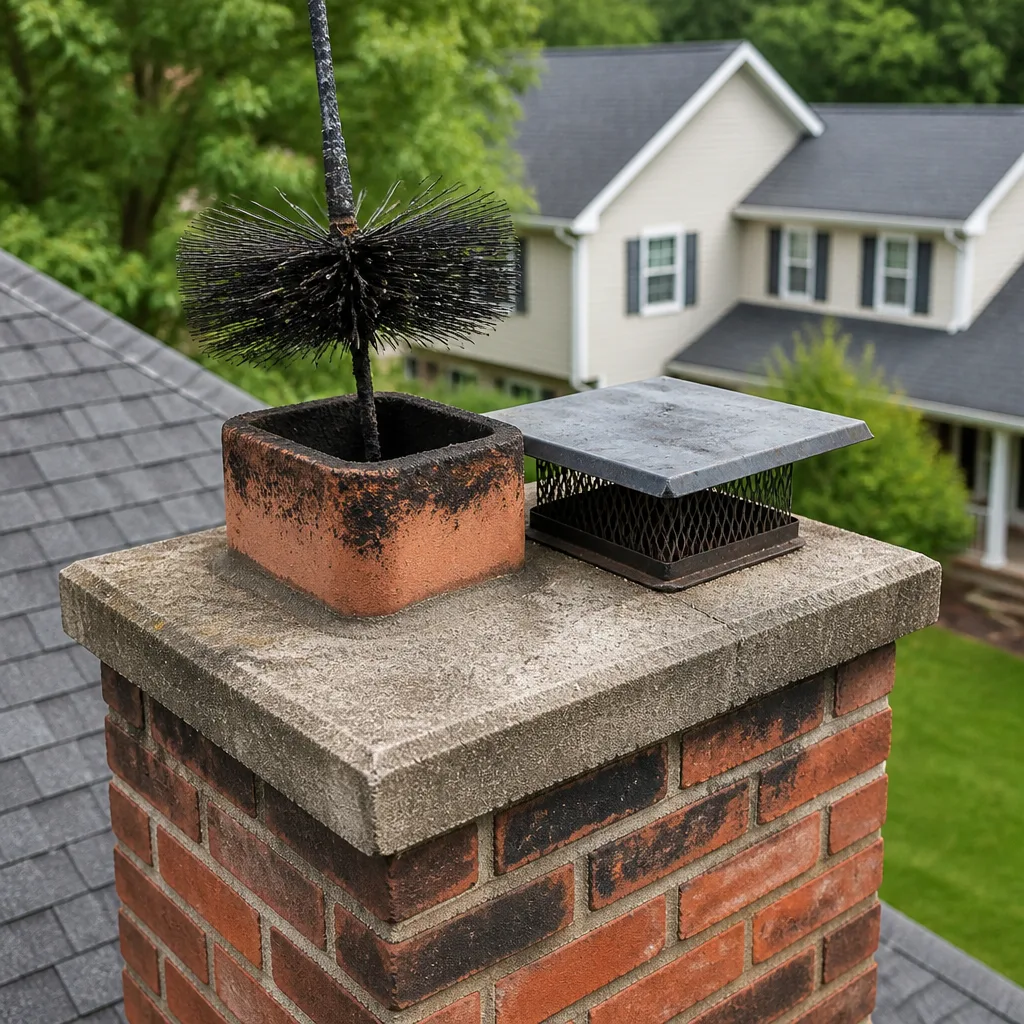 Sweep & inspection
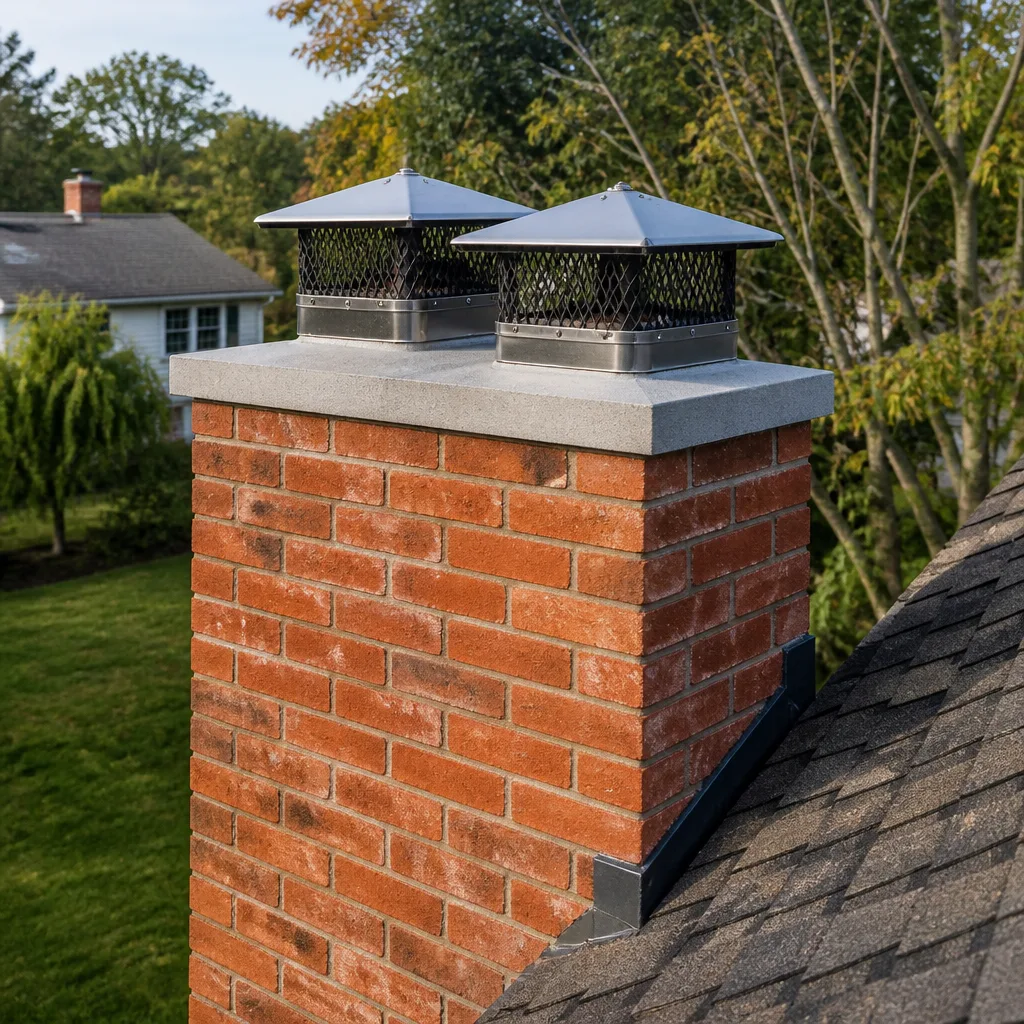 Caps & crowns
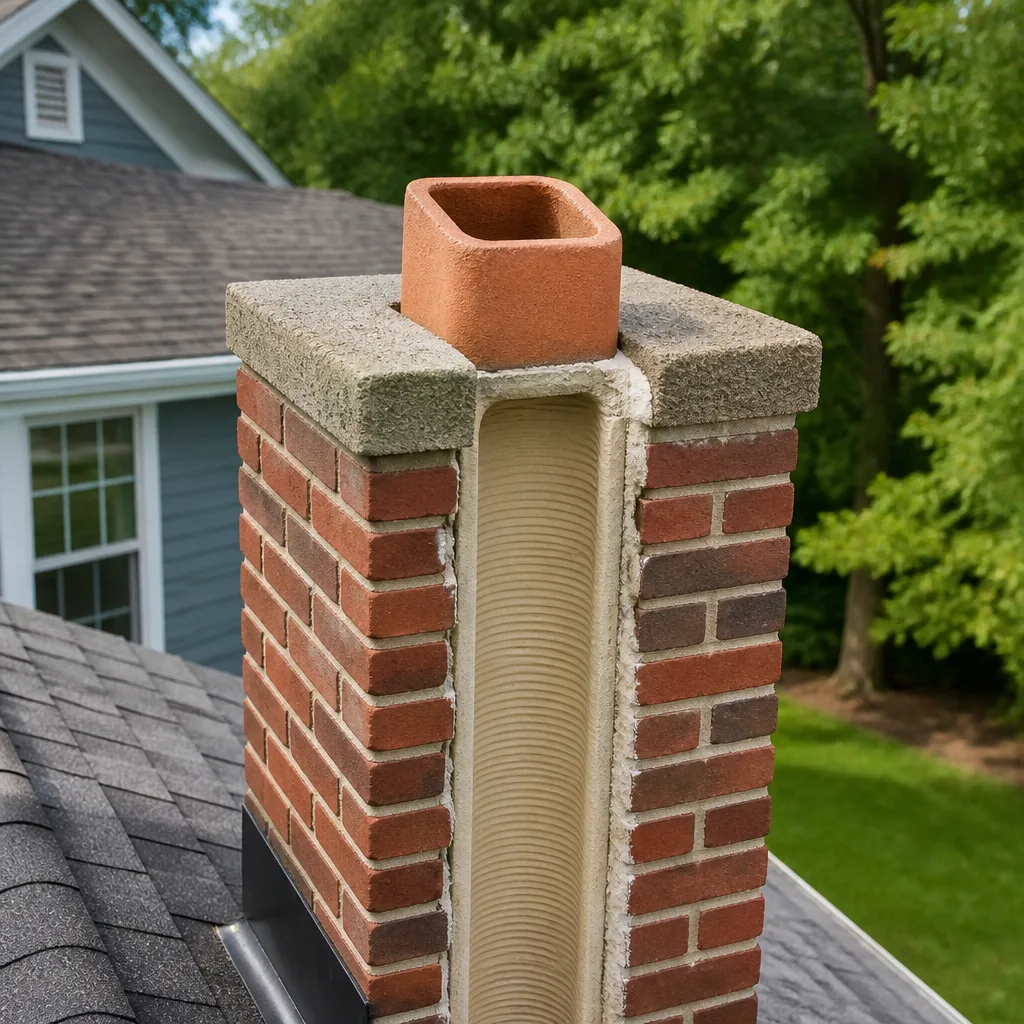 Flue relining
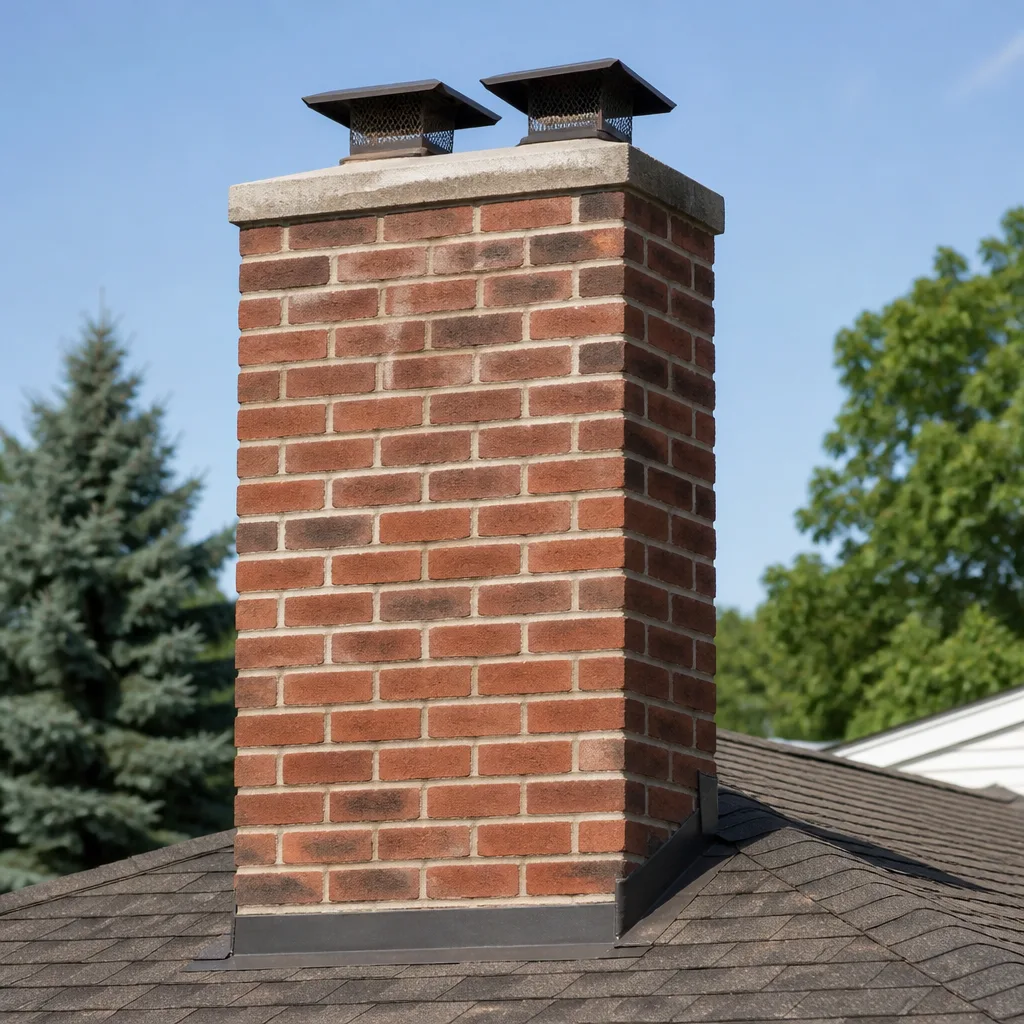 Masonry repair
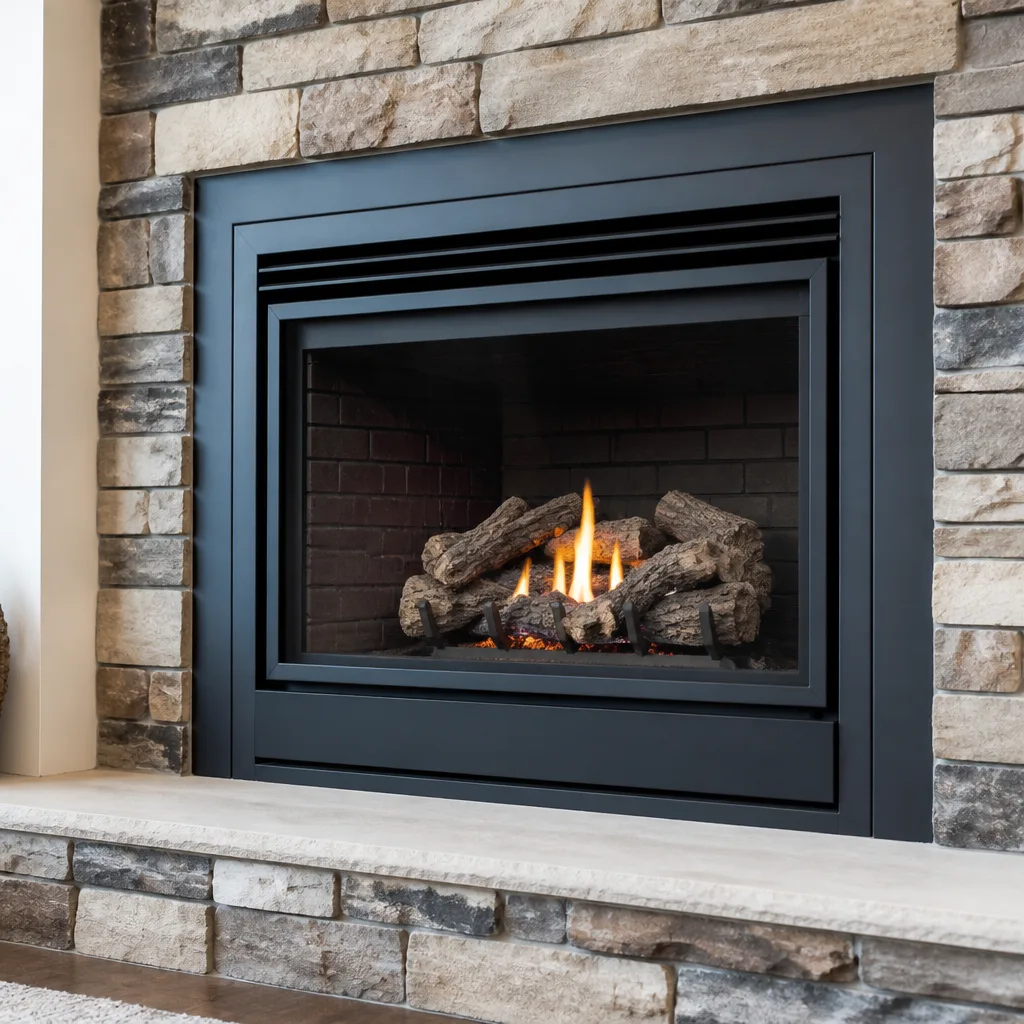 Gas fireplace service
Level 1 sweep and inspection to the NFPA 211 annual standard - flue, crown, cap, and flashing checked and photographed
Chimney sweep logs do not sweep chimneys. They loosen some creosote - which then falls where a brush and vacuum still have to collect it.
Chimney Cleaning Warning Signs: A Parkside Homeowner’s Reference Guide
Most homeowners think of chimney trouble as something you smell or see only when a fire is burning. The opposite is often true. A strong campfire smell in your living room when the fireplace is cold is not a nuisance to ignore. It’s a draft reversal signal, and it often means the flue is compromised enough to push combustion gases back into the house instead of up and out. The signs that matter most show up before you ever light a match: in how the house smells on a still day, in what the brick is doing, in the sounds your fire makes. This guide walks through each warning sign in plain language, explains what it points to inside the chimney system, and sorts them by how fast you need to act. Everything here is written from Parkside, for Parkside.
Quick Answer
The most important chimney cleaning warning signs are a campfire smell in the house when the fireplace is off, dark smoke staining around the firebox, crumbling or flaking brick, a damper that won’t open or close cleanly, and popping or ticking sounds during a fire. Any one of these means the flue needs a professional look before the next burn. Signs like a cold draft, light soot at the firebox, or a slightly stiff damper can usually wait for a scheduled inspection; smoke backing into the room, a strong gassy odor, or visible cracks in the flue tile should stop fireplace use immediately.
Styles & brands we work with
- Sweep & inspection
- Caps & crowns
- Flue relining
- Masonry repair
- Gas fireplace service
Table of Contents
- What Do Smells Tell You About Your Chimney?
- Cosmetic vs. Structural Warning Signs: Why Homeowners Confuse Them
- Visible Interior Signs: Smoke Staining, Damper Damage, and Flue Tile
- Sound-Based Signs: Popping, Ticking, and Debris
- Exterior Signs: Efflorescence, Spalling, and the Crown
- The Urgency Tier for Every Warning Sign
- What a Professional Inspection Actually Finds
- How Often Should You Schedule a Cleaning?
What Do Smells Tell You About Your Chimney?
Smell is the fastest warning system a chimney has, and it’s the one homeowners most often misread. A properly drafting chimney pulls air up and out of the house. When that draft weakens or reverses, the house starts telling you through its nose. In our experience, the smell profile points to different problems. Learning to sort them is the first step toward knowing how urgently to call.
- Strong campfire or smoky smell with no fire burning. This points to a draft reversal. Combustion gases and creosote odor are being pushed back into the living space instead of up the flue. It often signals a blocked flue, a damaged flue liner, or a chimney that’s too short for the house.
- Sharp, acrid, tar-like smell. This is the odor of advanced creosote, the kind that’s baked onto the flue walls in glazed layers. Glazed creosote is the most flammable stage and the one most likely to feed a chimney fire. It’s a strong reason to stop burning and book a cleaning.
- Damp, musty, or earthy smell. Moisture is getting into the chimney system somewhere. A missing or damaged cap, cracked crown, or failed flashing lets water in, and wet creosote smells distinctly musty. Left alone, moisture breaks down mortar and flue tile.
- Animal or ammonia smell. Birds, squirrels, and raccoons use uncapped chimneys as shelter. Nesting material blocks the flue and creates an odor problem at the same time. If you smell something animal in the house on a still day, the chimney needs a look before you burn.
- Gassy or faint exhaust smell. This is the most serious odor category. It suggests combustion byproducts, including carbon monoxide, are entering the home. Stop using the fireplace and get a professional assessment.
In Parkside, homes sit close together on tree-lined blocks, and a chimney cap that’s been knocked loose or clogged with leaves is one of the most common reasons we find a smoky smell in a house with a cold firebox. If the smell is persistent, don’t mask it with a scented candle. It’s a signal, and it’s telling you something about the flue.
Cosmetic vs. Structural Warning Signs: Why Homeowners Confuse Them
This is the distinction that trips up more Parkside homeowners than any other. Brick and masonry tell two very different stories, and the two get lumped together as “the chimney needs work.” One of those stories is mostly about appearance. The other is about whether the chimney is still doing its job, which is to carry hot gases and smoke safely out of the house.
A cosmetic sign is one where the brick looks imperfect but the chimney structure is sound. White, powdery staining on the brick face, called efflorescence, is a good example. It means water is moving through the masonry and leaving mineral deposits as it dries. That’s a moisture-management issue, not a hole in the flue. It’s worth addressing, but it isn’t inherently dangerous.
A structural sign is one where the chimney has begun to fail at a point that matters. The three structural signs to know:
- Spalling. The face of the brick is flaking off, popping, or crumbling away in pieces. Spalling means water has gotten inside the brick and frozen and thawed repeatedly, breaking the masonry from the inside. It weakens the chimney shell.
- Mortar failure at the crown. The crown is the sloped concrete cap on top. When it cracks or separates from the flue, water funnels straight down into the chimney. This is the most common entry point for the moisture problems that cause everything else on this list.
- Deteriorating flue tile. The clay liner inside the chimney is what actually contains the fire’s gases. Cracks, gaps, or missing mortar joints in the flue tile let heat and gases into the chimney’s interior structure. This is a real safety issue.
The reason the confusion matters is that people fix the cosmetic sign (they pressure-wash the efflorescence off) and assume the chimney is fine. Meanwhile the crown is still cracked and the water keeps coming. When we do a chimney cap & crown assessment in Parkside, we look at the crown before anything else, because it’s where so much structural trouble starts. Catching a failing crown early is one of the best ways to prevent spalling and liner damage down the line.
Visible Interior Signs: Smoke Staining, Damper Damage, and Flue Tile
You don’t have to climb onto the roof to read the inside of your chimney. Several of the clearest warning signs are right in the firebox, visible from the living room floor. The trick is knowing which ones are normal and which ones mean the system has a real problem.
Smoke staining around the firebox
A thin, even coating of soot on the firebox walls is normal for a working fireplace. Dark streaks, especially streaks that run up and out of the fireplace mouth onto the brick surround or up the face of the chimney breast, are not normal. Streaking like that means smoke is escaping into the room rather than drafting up the flue. It points to a weak draft, a partially blocked flue, or a chimney that’s struggling to pull air.
Damper damage
The damper is the metal plate that opens and closes above the firebox. A healthy damper glides open and seats itself closed. Wear shows up as a damper that sticks halfway, won’t seat flush, or won’t open fully. A damper that doesn’t open fully restricts draft and makes the fireplace smoky. A damper that doesn’t close fully lets heated house air escape up the chimney year-round and lets cold air and animals drop in. Damper damage is usually a schedule-ahead repair, not an emergency, but it makes everything else worse if you keep burning.
Healthy vs. deteriorating flue tile
The flue tile is the clay liner inside the chimney. A healthy flue tile is smooth, continuous, and has tight mortar joints at each section. It should look like a clean column with no gaps. A deteriorating flue tile shows any of the following:
- Cracks running vertically or horizontally across the tile faces
- Missing or crumbling mortar between tile sections
- Chunks of tile missing or pieces sitting on top of the smoke shelf
- Dark creosote buildup baked onto the tile walls, especially glazed, shiny creosote
- Tile that’s shifted or misaligned from its original position
You won’t always see the flue tile clearly from below. That’s why a proper inspection uses a video camera. When we find a cracked liner, the fix isn’t always replacement. Resurfacing with a chimney repair method like HeatShield restores a deteriorating flue from the inside, which is a real option most sweep-only companies can’t offer. We’re HeatShield-qualified for exactly this kind of flue resurfacing.
Sound-Based Signs: Popping, Ticking, and Debris
Chimneys talk. Most of what you hear during a fire is normal: the low roar of an active draft, the crackle of burning wood, the ticking of the metal firebox as it heats and cools. A few sounds are not normal, and they should make you stop and listen.
- Popping or a low rumbling roar. This is the sound of a chimney fire. It’s not always dramatic. A chimney fire can burn quietly at first, sounding like a distant roar or a series of pops. If you hear it, get everyone out of the house and call the fire department before doing anything else.
- Ticking or tapping after the fire is out. A more subtle sound, often heard once the fire has burned down. It can mean a piece of the flue tile has cracked and a fragment is resting where it shouldn’t be. It can also mean a small piece of masonry or a bird’s nest is loose in the flue. Either way, it means the flue needs to be checked before the next fire.
- Debris falling into the firebox. If chunks of material drop into the fireplace when you open the damper, something is deteriorating above. It could be loose mortar from the smoke chamber or a crumbling flue tile section. Don’t burn again until that’s been looked at.
- Whistling or rushing at the firebox mouth. Often a draft issue rather than a structural one, but worth mentioning to the technician at your next cleaning.
The popping sound in particular is one of those signs that homeowners describe with a slightly dismissive tone (“it always pops a little”), which is exactly why it deserves a closer look. Popping during a fire is not the same as crackling wood. If you can’t tell the two apart, a professional inspection is the only way to settle it.
Exterior Signs: Efflorescence, Spalling, and the Crown
The outside of the chimney is where Parkside’s seasons do their slowest and steadiest work. The freeze-and-thaw cycles that come through the area every winter work moisture in and out of the masonry, and years of it show up as visible damage. Walking around the house once or twice a year, especially in late fall, is one of the simplest forms of chimney care there is.
What to look for from the ground:
- White powder or staining on the brick. This is efflorescence. It’s a moisture signal, not a structural failure yet. It says water is getting in somewhere.
- Brick faces flaking or crumbling. This is spalling. It’s a structural warning, and it means the brick itself is being destroyed from the inside.
- Cracks in the crown or visible separation from the flue. Structural. Water is getting in at the top, which is where most chimney damage starts.
- A missing, loose, or damaged chimney cap. The cap keeps water, animals, and debris out of the flue. A cap that’s rusted through, blown off, or clogged with a bird’s nest is a real problem. Missing caps on Parkside chimneys are one of the most common causes of smoky fireplaces and animal odors.
- Rust streaks on the cap or chase cover. Often means water pooling or a component that’s reached the end of its service life.
When a cap or crown does need replacing, the quality of the component matters more than most homeowners expect. We install Gelco and Famco caps and crowns, the same professional-tier components certified chimney professionals use across the country. A cheap, big-box cap is a one- or two-season fix; a properly fitted one can protect the flue for far longer. From the firebox to the crown, we handle the full chimney system, which is why a single call is usually the start and end of the work.
The Urgency Tier for Every Warning Sign
Not every warning sign requires the same response. Some mean stop burning and call someone now. Others mean book an inspection in the next few weeks or months. Sorting the signs by urgency is the most practical thing a homeowner can do, because it turns a vague worry into a clear step.
Tier 1: Stop using the fireplace immediately
These signs point to a possible danger to the house or the people in it:
- Popping, roaring, or rumbling sounds during a fire
- Smoke backing into the room instead of drafting up
- Strong gassy or exhaust smell, or a carbon monoxide alarm
- Visible smoke staining streaks on the fireplace face
- Chunks of material falling into the firebox
- Visible cracks or gaps in the flue tile seen through the damper
With any of these, stop burning and get a professional assessment before the next fire. A small chimney fire can turn into a house fire with very little warning, and carbon monoxide is invisible and odorless at dangerous levels. This is not a category to talk yourself out of.
Tier 2: Book an inspection in the next few weeks
These signs are real but not immediately hazardous, and they usually have time:
- A smoky smell in the house on still days when no fire is burning
- A damper that won’t seat or open cleanly
- Damp, musty odor suggesting moisture entry
- Signs of animals in the chimney
- A heating season’s worth of use without a cleaning
Tier 3: Schedule for the next convenient inspection window
These are maintenance items, not emergencies:
- Efflorescence (white staining) on exterior brick
- Light soot in the firebox
- A cold draft from the fireplace when it’s not in use
- A slightly stiff damper
Even the Tier 3 items shouldn’t be ignored indefinitely, because the cheap fixes at this stage are what keep them from becoming Tier 1 items later. The right move is to book a chimney sweep at the next natural point in the season and let the technician see the full picture.
What a Professional Inspection Actually Finds
A chimney inspection isn’t a sales call. It’s a diagnostic procedure, and a good inspection tells you what your chimney is actually doing rather than what a contractor wishes it were doing. Here’s what we do when we come out to a Parkside home:
- Exterior assessment. We check the crown, cap, chase cover, flashing, and visible masonry from the ground and roof level. This is where most structural warning signs get caught.
- Firebox and damper check. We look at soot patterns, damper operation, and any signs of smoke escaping into the room.
- Flue inspection with a camera. We run a video camera down the flue to see the actual condition of the liner: cracks, gaps in mortar, buildup of creosote or glazed tar, and any obstructions. This is the only way to know what the inside of the flue really looks like.
- Creosote staging. We identify whether the creosote is at stage one (light soot), stage two (flaky), or stage three (glazed and highly flammable). Stage three is a real reason to schedule a cleaning promptly.
- Draft and ventilation check. We look at whether the chimney is pulling as it should, which explains smoky fireplaces and cold-day smells.
- Written findings. You get a plain-language report of what we found. We’ll tell you exactly what needs fixing, and we’ll show you what needs fixing before we touch anything.
If you’re buying or selling a home in Parkside, inspection is available as a standalone booking. That matters, because it means you can get a professional chimney assessment on record without committing to any repair work. We take the same approach for homeowners: cleaning alone is a fine reason to call, and the inspection is part of how we do it. The Chimney Sweep Parkside team works on chimneys and fireplaces, nothing else, and that focus is why we can tell the difference between a crown that’s failing and one that’s just weathered.
One more thing that comes up on inspections: liner repair. If we find a cracked or deteriorating flue liner, we can restore it with HeatShield resurfacing or replace it with a DuraFlex liner system. Both are professional-grade materials used industry-wide, and both are jobs a sweep-only company would have to refer elsewhere. Because we handle cleaning, repair, cap and crown work, liner work, and fireplace repair under one roof, a Parkside homeowner doesn’t have to make two or three calls to get a chimney back in order.
How Often Should You Schedule a Cleaning?
The standard answer is once a year, and if you burn regularly, that’s the right schedule. A fireplace used most nights through the heating season builds up creosote faster than an occasional-fireplace one, and the creosote that builds is exactly the fuel a chimney fire needs. Annual cleaning is the simplest protection a chimney has.
There are a few situations that ask for more than annual:
- You’re burning wood that isn’t fully seasoned (wet or green wood smokes heavily and builds creosote faster)
- You’ve had a chimney fire, even a small one
- You’ve just bought a home in Parkside and don’t know the chimney’s service history
- You’ve smelled animals or noticed debris dropping into the firebox
- You use the fireplace year-round for ambiance, not just in winter
In Parkside, the best time to schedule a cleaning is late summer or early fall, before the burn season begins. Chimneys that sit through a Parkside winter with a cracked crown or a loosely fitted cap come out the other side with more damage than they went in with, and the fall cleaning is the natural moment to catch it. Doing it before the first cold snap means the chimney is ready when you want it, rather than a project you’re chasing in December. If your cleaning turns up a repair, the fix can be planned around the season rather than forced into it.
Common Mistakes to Avoid
- Treating efflorescence like a scrub problem. Power-washing white staining off the brick removes the visual symptom and leaves the moisture source intact. It’s the crown, the cap, or the flashing that needs fixing. Start at the top of the chimney, not the face.
- Assuming a smoky smell is a fireplace quirk. A smoky smell in a house with a cold firebox is a draft signal. It’s the first domino in a set of problems that can push combustion gases into the living space. Treat it as a warning, not a personality trait of the house.
- Burning wet or unseasoned wood to “use up” the supply. Wet wood throws off steam and smoke that cool the flue and lay down more creosote. It’s the single fastest way to make a Tier 3 chimney into a Tier 1 chimney.
- Skipping the annual cleaning because “we only had a few fires.” A few fires still means buildup, and if the firebox was smoky or the damper was stiff, the buildup isn’t the whole story. Small-sign catches are what keep chimneys out of the Tier 1 category.
- Buying a generic cap from a hardware store. A cheap cap fits badly, rusts through quickly, and can restrict the draft it’s supposed to protect. The professional-tier components are the difference between a cap that lasts and one you’ll be replacing.
- Hiring a sweep who doesn’t do repairs. A sweep-only company can clean the chimney but can’t fix a cracked crown, restore a failing flue, or resurface a liner. If the cleaning turns up a problem, you’re looking for a second contractor. One call covers cleaning, inspection, and any repair your chimney needs, and that’s how it should work.
- Burning again after a chimney fire without an inspection. Even a small chimney fire can crack flue tile and open a gap between the fire and the house’s structure. Nothing below the firebox tells you whether that happened. Only an inspection can.
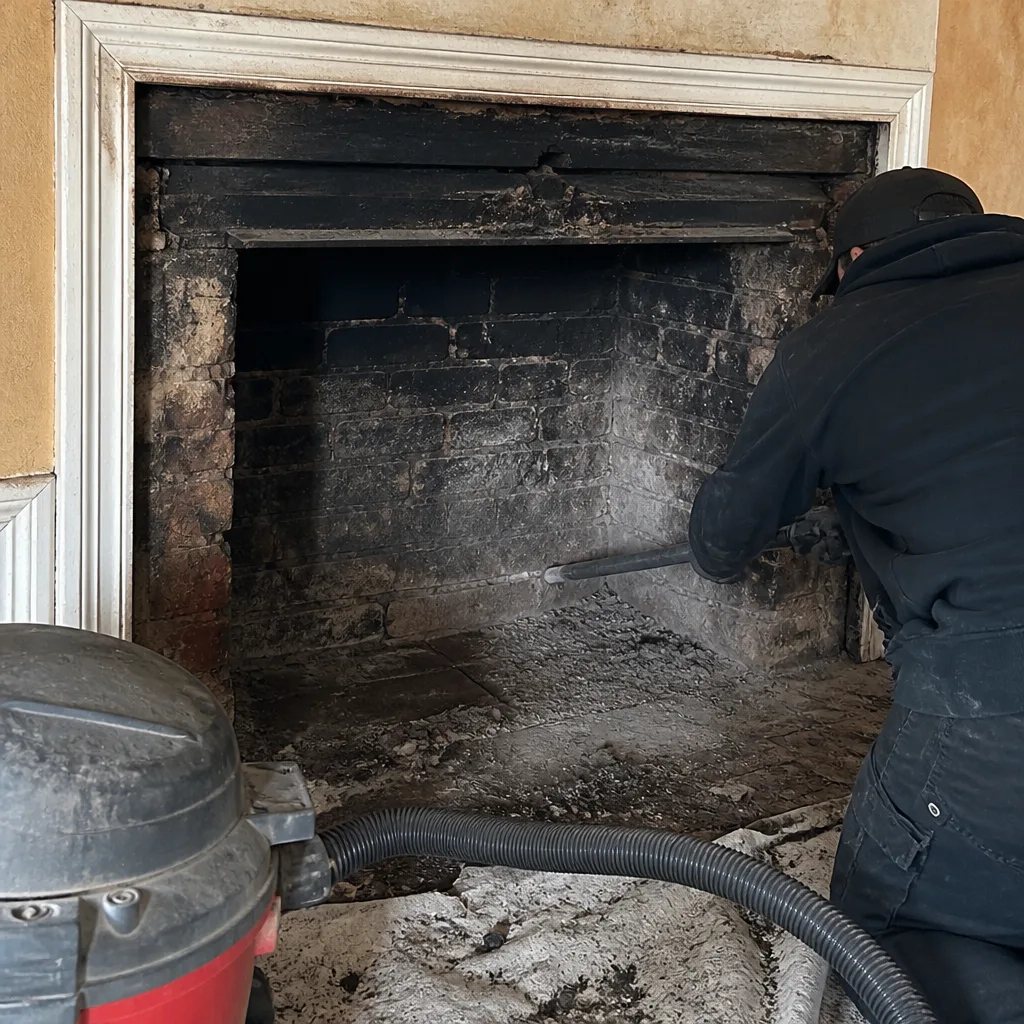
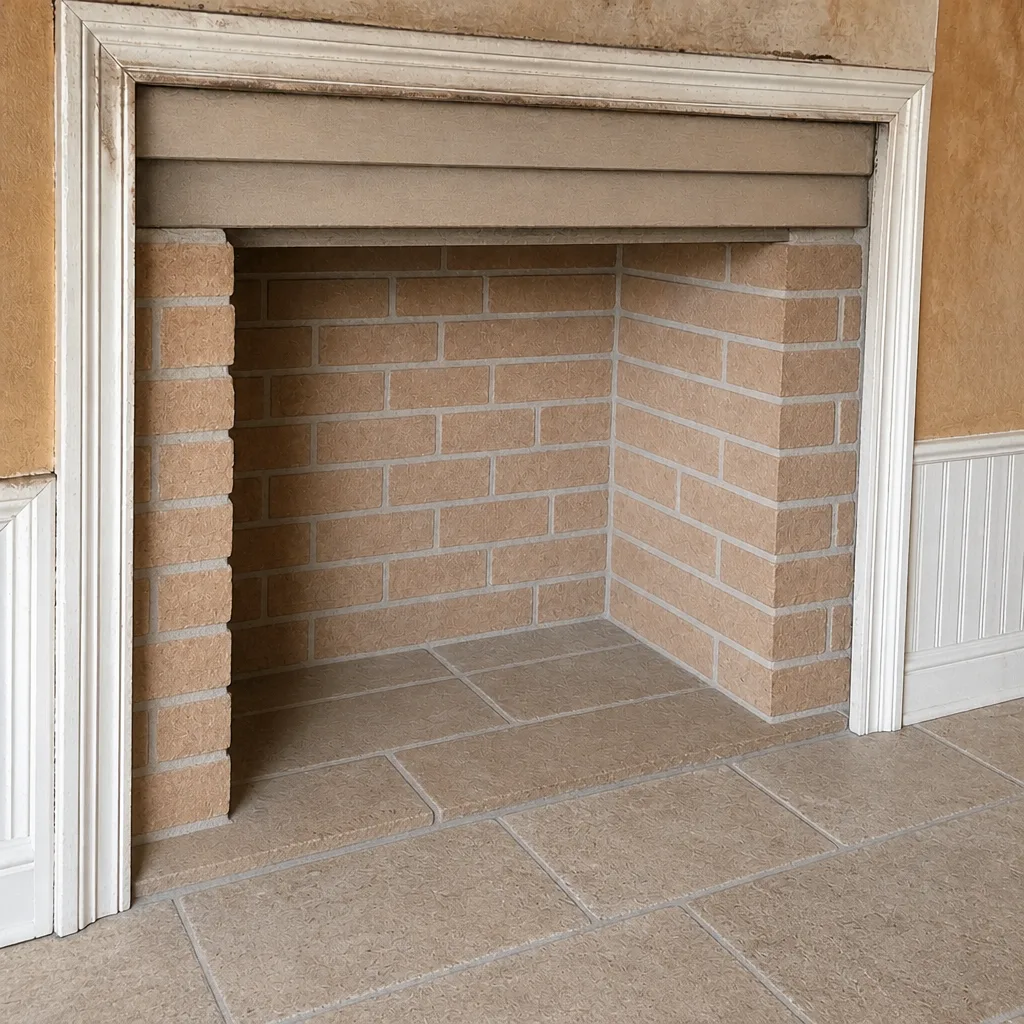
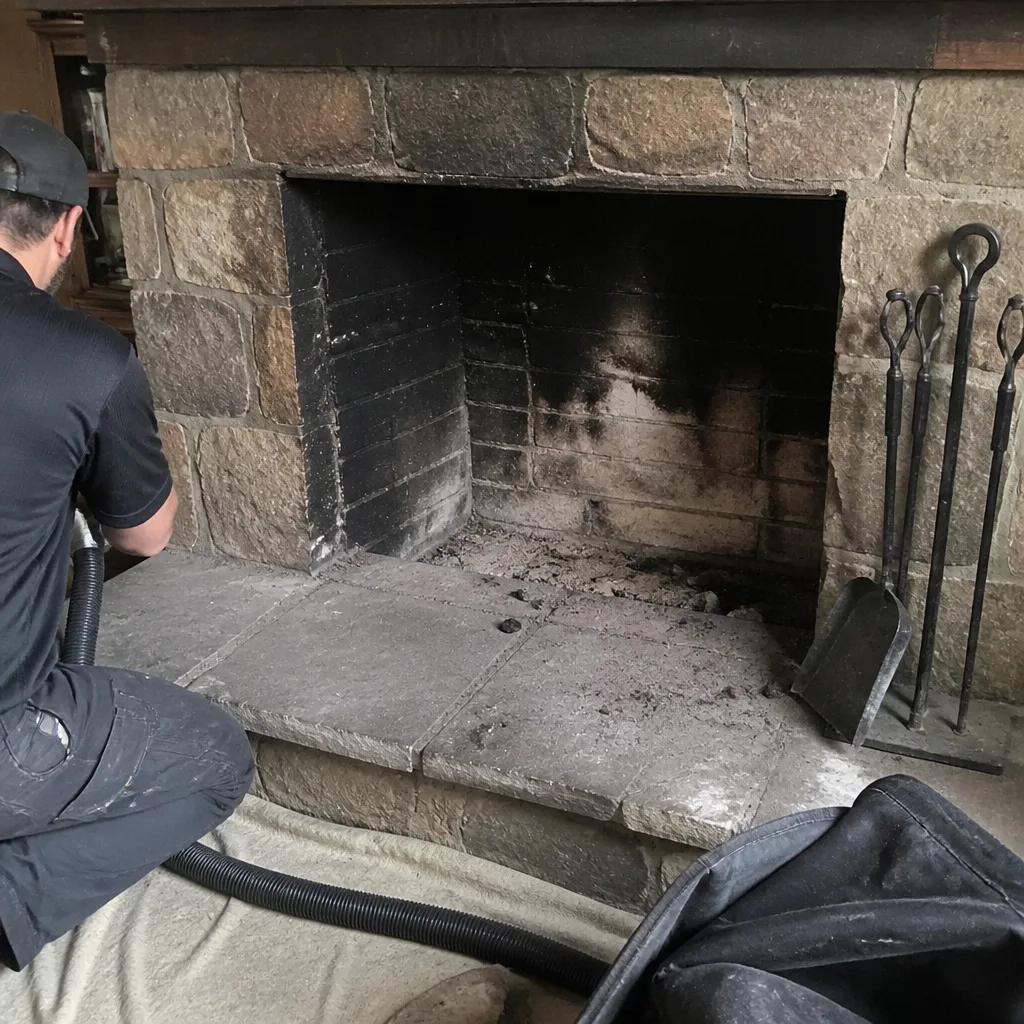
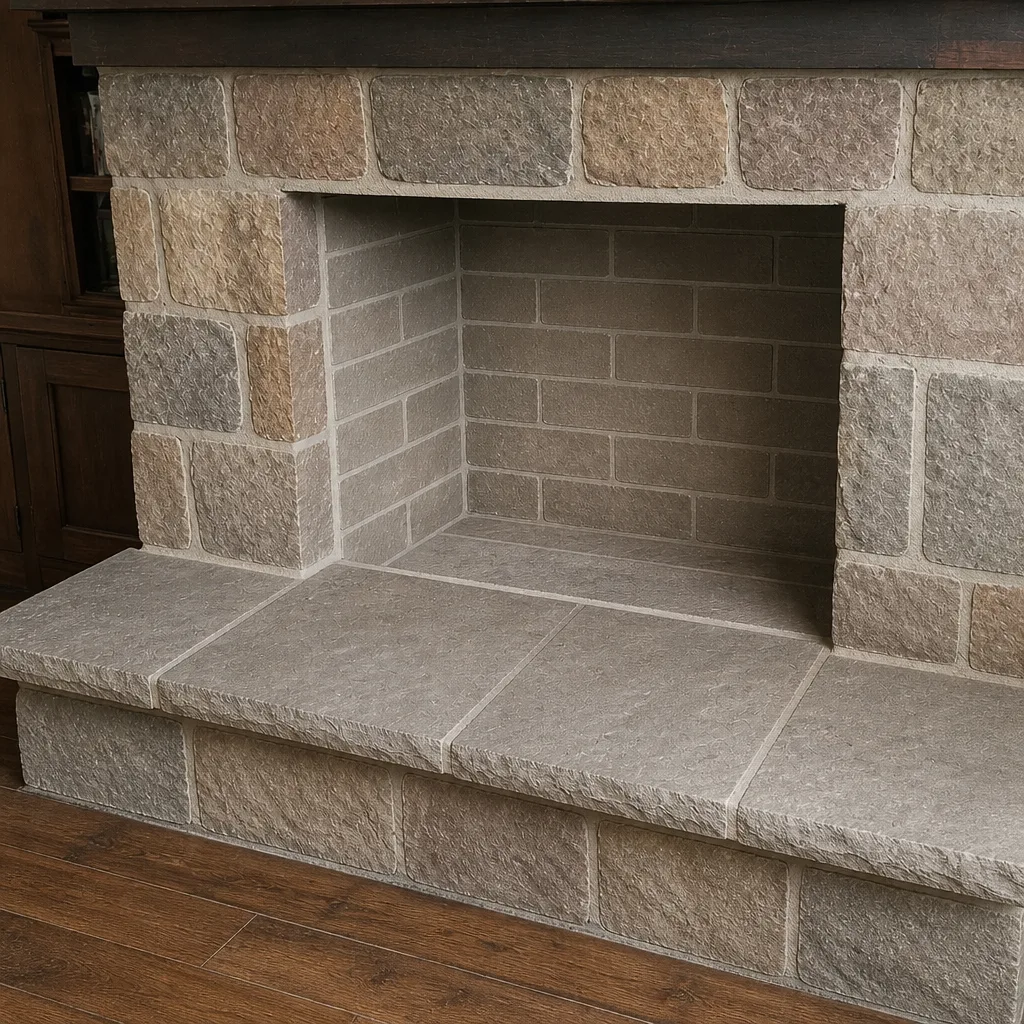
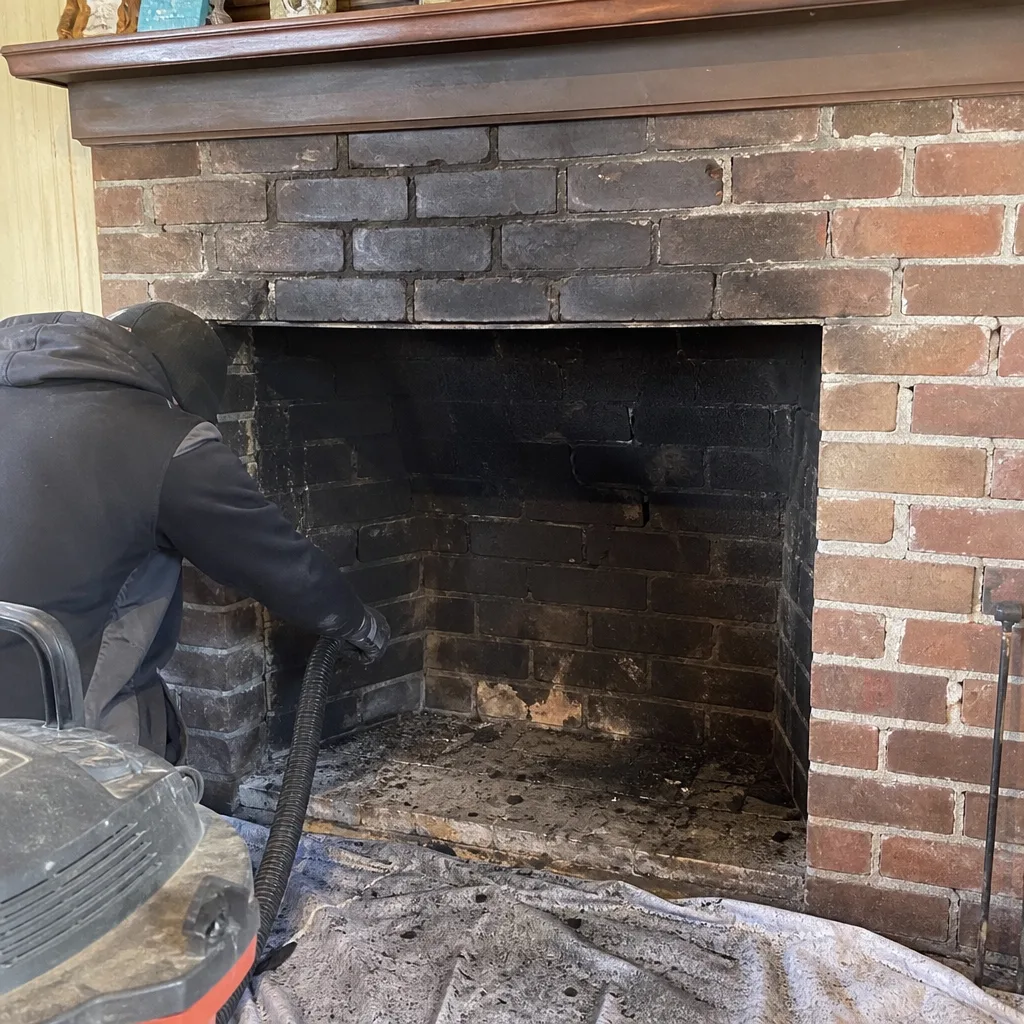
See the difference
 Before
 After
 Before
 After
 Before
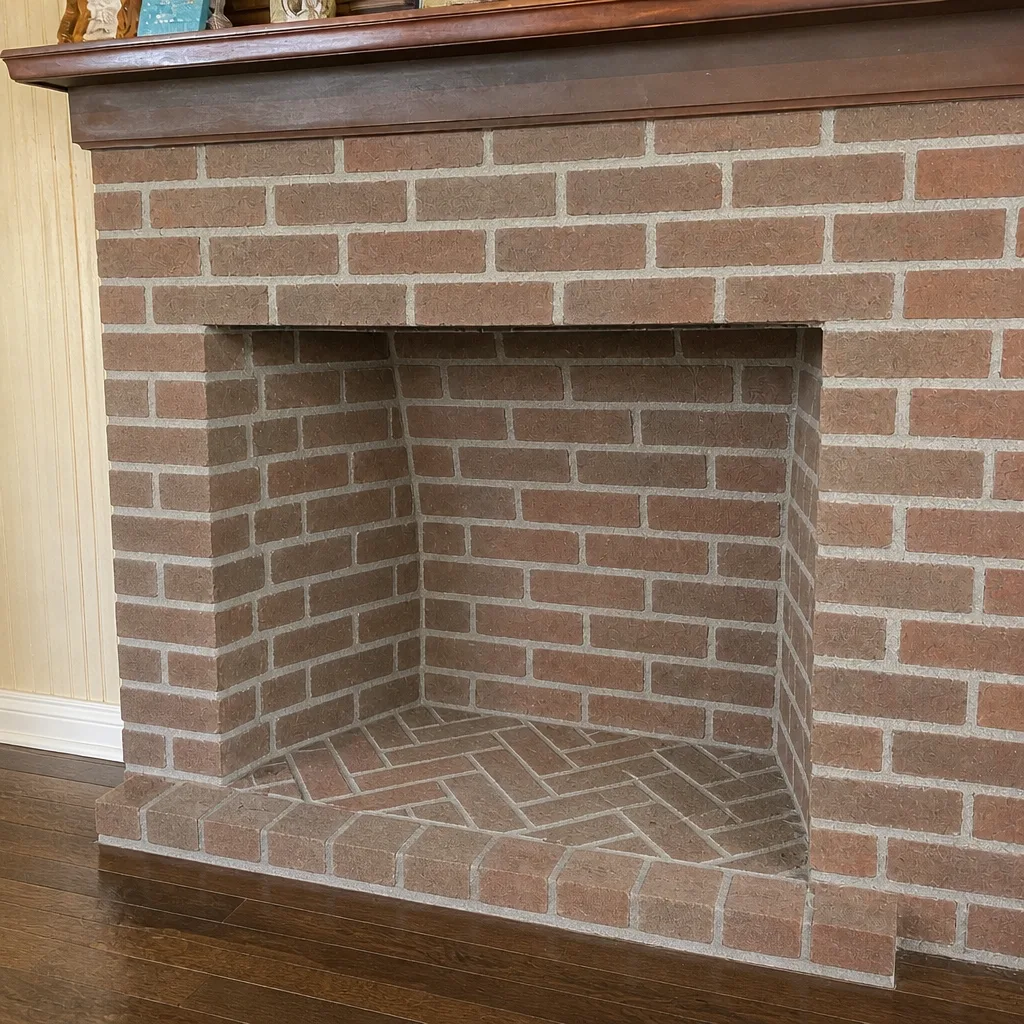 After
When to Call a Professional
Call a professional if you’ve seen smoke backing into the room, heard popping or roaring during a fire, noticed chunks of material in the firebox, or smelled a gassy odor in the house. Those are Tier 1 signs and they warrant a stop on fireplace use until the chimney has been checked. Call if you’ve noticed a persistent campfire or musty smell on still days, seen white staining or flaking brick on the chimney, or heard debris falling into the firebox. And call if it’s simply been a year or more since the last cleaning – annual cleaning is the baseline. Chimney Sweep Parkside offers free estimates in Parkside. Call (877) 770-1394. We answer 24/7, with fast dispatch from 7am to 7pm. The local professional who comes out is licensed and insured as the state requires, and the sweep is a flat price agreed before the work begins.
Frequently Asked Questions
Popping or a low rumbling roar during a fire is the most serious warning sign, because it usually means a chimney fire is burning. A strong gassy or exhaust smell is a close second, because it can mean carbon monoxide is entering the home. With either sign, get the fire out, get everyone outside, and call the fire department. Then book a professional inspection before using the fireplace again.
A campfire smell in a house with a cold firebox points to a draft reversal. The chimney is pushing air down instead of pulling it up, and combustion gases and creosote odor are coming into the living space. In our experience, the cause is usually a blocked flue, a damaged liner, or a chimney that isn’t tall enough for the house. It’s a Tier 2 sign, worth booking an inspection soon. Call (877) 770-1394 for a free estimate – we’ll tell you what we find.
A chimney in Parkside needs cleaning when you’ve burned through a heating season since the last one, when you see flaky or glazed creosote on the flue walls, or when any of the warning signs in this guide show up. Annual cleaning is the baseline for a regularly used fireplace. If you’re not sure, an inspection will tell you – and the estimate is free.
Efflorescence is a white, powdery stain on brick that means moisture is moving through the masonry. It’s a moisture signal, not a structural failure yet. Spalling is flaking or crumbling of the brick face itself, which means the masonry is being destroyed from the inside. Efflorescence can usually be scheduled; spalling should be inspected sooner, because it’s the chimney shell that’s weakening. Call (877) 770-1394 for an assessment – estimates are free.
Yes, if the only sign is efflorescence and the firebox, damper, and flue look normal. White staining is a moisture signal, not an immediate fire hazard. If it comes with smoke backing into the room, a gassy smell, or debris in the firebox, stop burning until the chimney is inspected. Booking a cleaning or inspection in Parkside will clarify which category yours is in.
Yes, and a standalone inspection is exactly the right call in that situation. A chimney inspection on record gives the buyer or seller a credible assessment without committing to any repair work. We offer inspection as a standalone booking, so the report is the deliverable, not a sales pitch. Call (877) 770-1394 to schedule one – estimates are free.
The Bottom Line
Most chimney warning signs show up weeks or months before a fire or a carbon monoxide event. The trick is knowing which signs mean stop burning now and which mean schedule a visit. Tier 1 signs (smoke backing into the room, popping sounds, gassy smells, chunks in the firebox, visible flue cracks) mean stop and call. Tier 2 signs (campfire smell on still days, musty odors, animal signs, a stubborn damper) mean book an inspection in the next few weeks. Tier 3 signs (efflorescence, light soot, a cold draft) mean schedule a cleaning at the next convenient window. In Parkside, the annual cleaning in late summer or early fall is the simplest way to catch the signs early and keep a small fix from turning into a liner or crown project. Our technicians have up to 11 years of experience, and we work on chimneys and fireplaces, nothing else. From cleaning to cap and crown work to liner repair, one call covers the full system.
Call (877) 770-1394 for a free estimate. We answer 24/7, with fast dispatch from 7am to 7pm.
Written by the team at Chimney Sweep Parkside.