
Last updated November 24, 2026
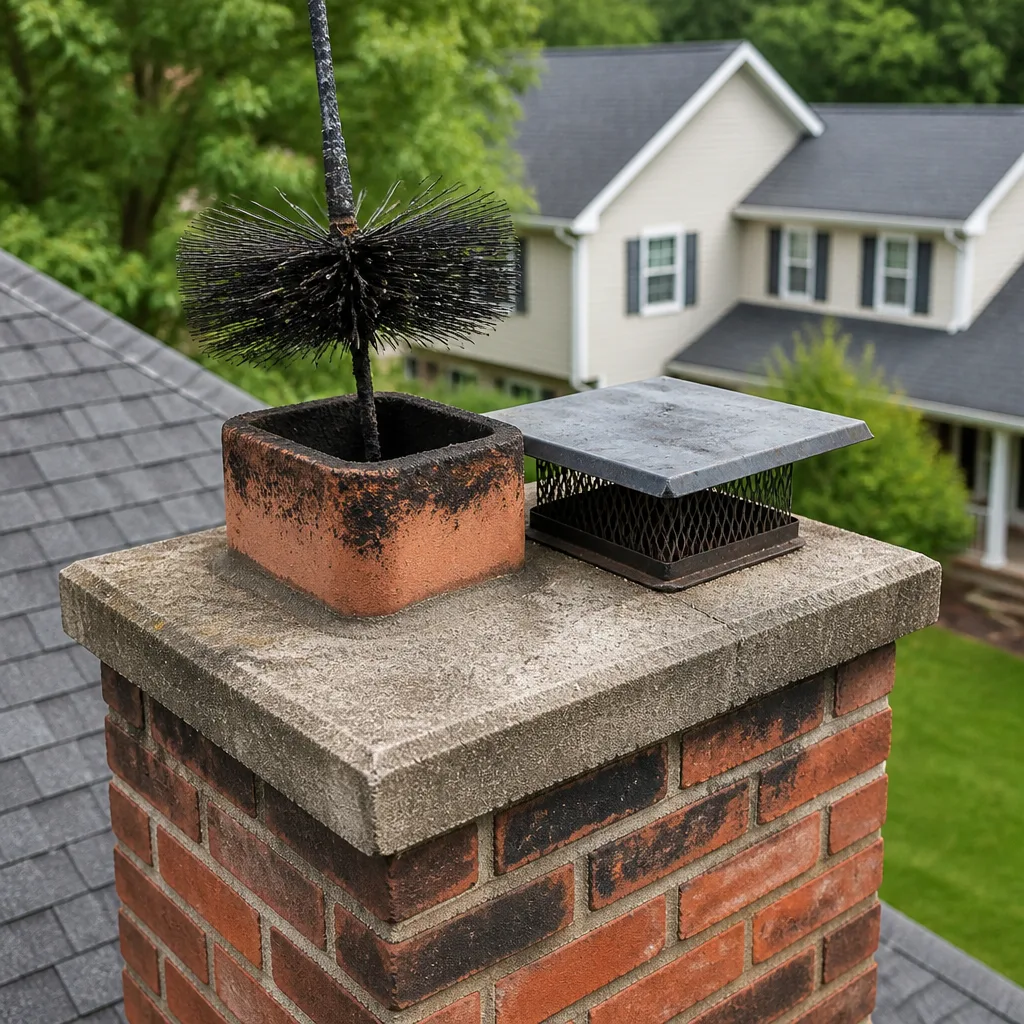 Sweep & inspection
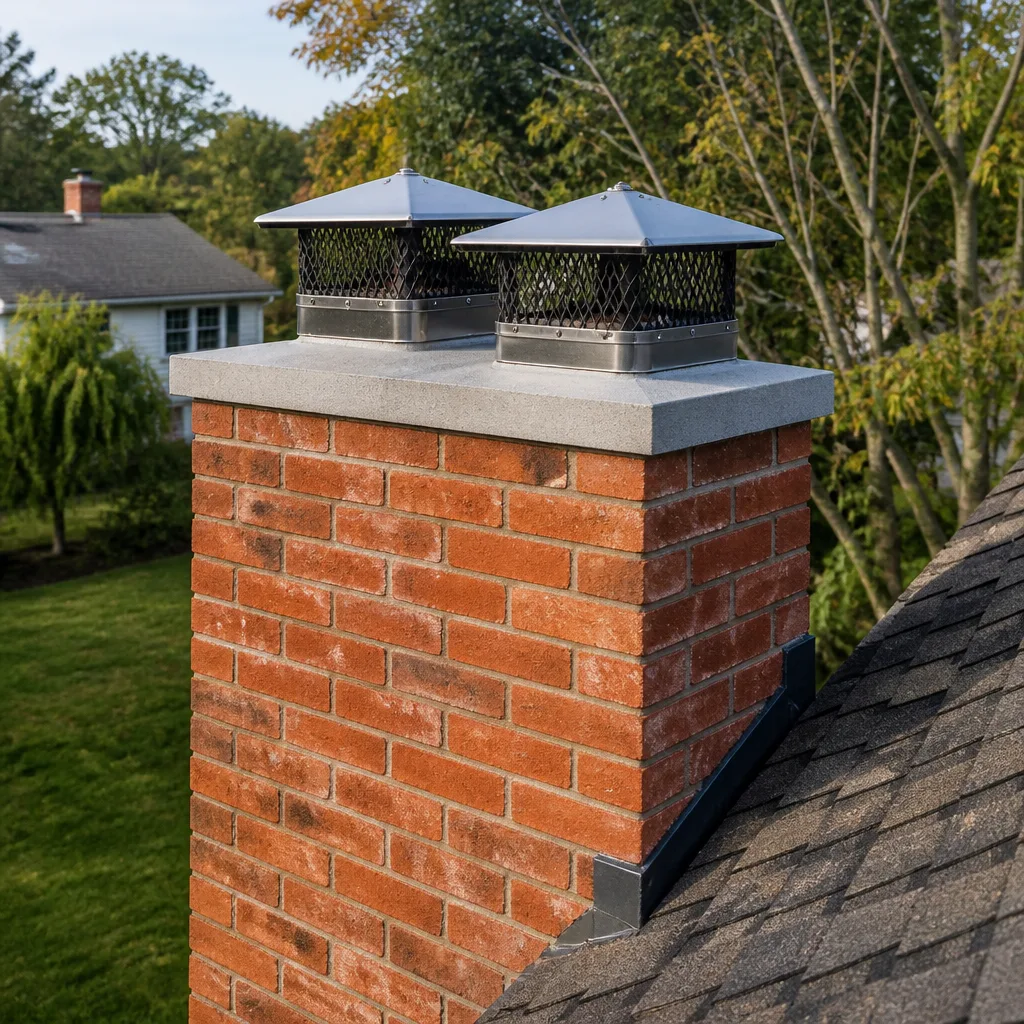 Caps & crowns
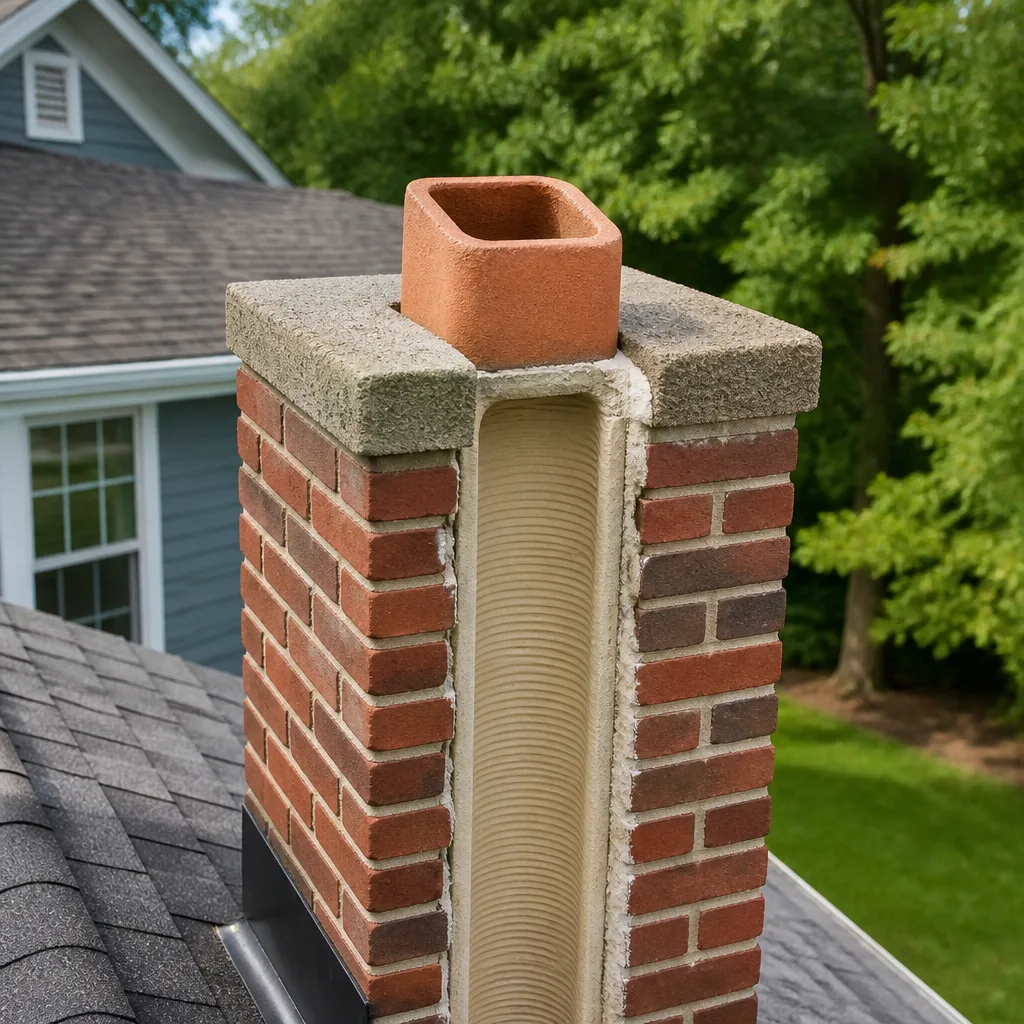 Flue relining
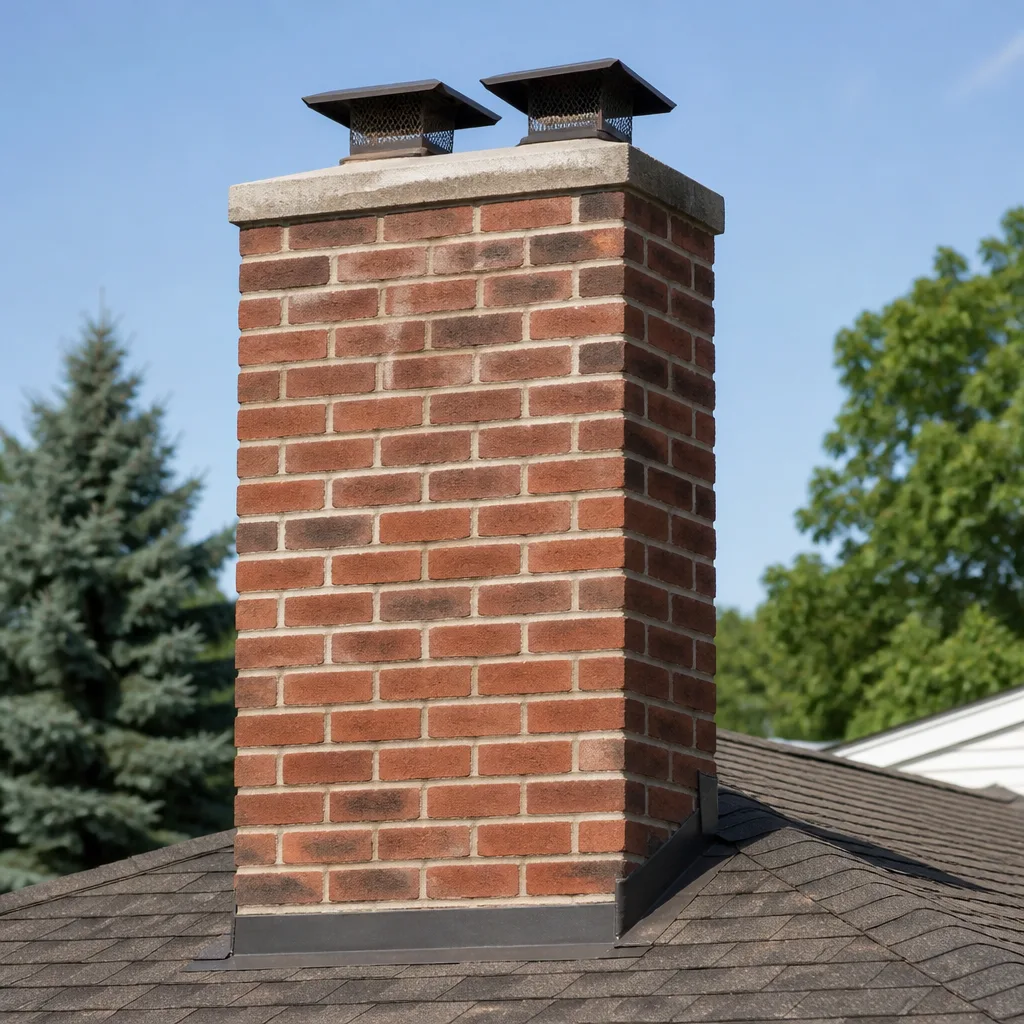 Masonry repair
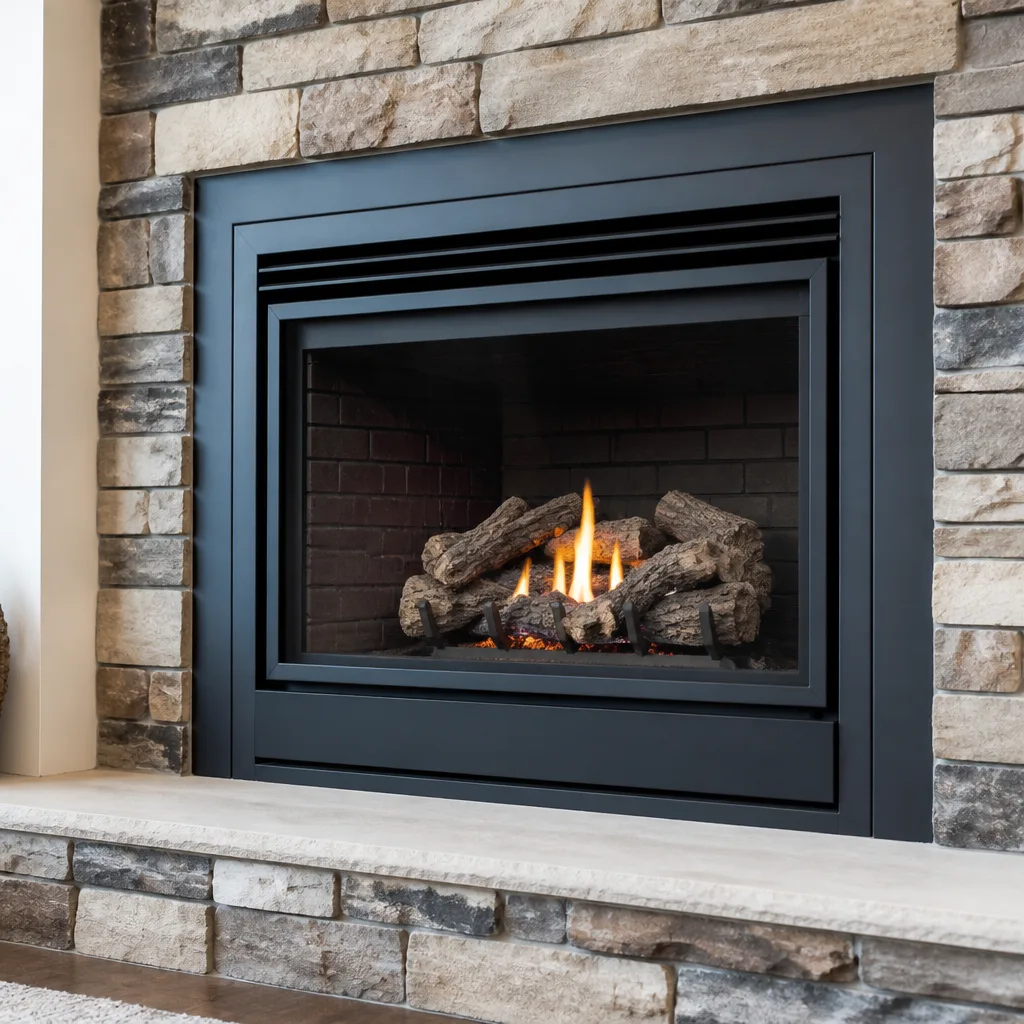 Gas fireplace service
Level 1 sweep and inspection to the NFPA 211 annual standard - flue, crown, cap, and flashing checked and photographed
Chimney sweep logs do not sweep chimneys. They loosen some creosote - which then falls where a brush and vacuum still have to collect it.
DIY vs Professional Chimney Cleaning: The Parkside Homeowner’s Decision Guide
You can buy a chimney brush kit and a pack of soot sponges and remove the visible layer of creosote from your firebox. What that kit will never tell you is whether the clay tile twelve feet up the chase has a hairline crack, whether the creosote above the damper has glazed into a form that ignites at a lower temperature than the wood you burn, or whether the smoke chamber behind the lintel is scrolled and full of the deposits you can’t reach from the hearth. In Parkside’s older housing stock, the failure that matters is almost always the one you can’t see. This guide walks through what DIY cleaning actually accomplishes, what it physically cannot assess, and how to make the call on doing it yourself versus booking a sweep.
Quick Answer
DIY brushing removes loose soot and reduces surface creosote in a firebox and lower flue. It cannot inspect flue tiles, assess glazed creosote, or see the smoke chamber, which is where most of the serious problems in Parkside’s older chimneys live. An annual professional sweep is the only method that combines cleaning with a camera-verified inspection, and it’s the version your homeowner’s policy can actually document. Do the DIY between sweeps if you want; don’t let it replace the annual.
Styles & brands we work with
- Sweep & inspection
- Caps & crowns
- Flue relining
- Masonry repair
- Gas fireplace service
Table of Contents
- What DIY chimney brushing can and cannot accomplish
- Chimney conditions common in Parkside’s older homes
- The real cost comparison: DIY kit vs annual professional sweep
- Insurance and maintenance documentation: does DIY satisfy your policy?
- What actually happens during a professional chimney sweep
- When DIY crosses into dangerous territory
- The one scenario where DIY interim cleaning makes sense
- How to choose a chimney sweep in Parkside
What DIY Chimney Brushing Can and Cannot Accomplish
A chimney brush on a flexible rod, worked from the roof or from the firebox with the right adapter, will strip loose soot from the walls of the flue liner. That’s it. That’s the job. Everything else a professional sweep does is inspection, not brushing, and inspection requires tools a homeowner doesn’t own.
Here’s the honest split:
What DIY can do:
- Remove loose, flaky soot from the first several feet of flue above the damper
- Knock down light Stage 1 creosote (sooty, powdery, wipes off with a rag)
- Keep the firebox and smoke shelf clear between professional appointments
- Save a homeowner a trip charge and a half hour of a technician’s time in the shoulder season
What DIY cannot do without camera equipment and training:
- See cracks, spalling, or gaps in clay flue tiles twelve or fifteen feet up the chase
- Distinguish Stage 2 creosote (hard, glazed, tar-like) from Stage 1 from the ground – the two look nearly identical in the firebox
- Assess the smoke chamber, which on older Parkside masonry fireplaces is often corbelled and full of offsets the brush can’t reach
- Identify a compromised damper assembly or a rusted damper frame
- Check the crown, cap, and flashing from the roof with an eye trained on what a failing joint looks like
- Document any of it for an insurance company or a real estate transaction
The gap is not capability. It’s visibility. You can work a brush as well as anyone; you can’t see what the brush passes over.
Chimney Conditions Common in Parkside’s Older Homes
Parkside’s housing stock does things to chimneys that newer construction doesn’t. Many of the homes here were built before modern flue standards, and the chimney was sized for the original heating appliance, not for a modern fireplace insert or a wood stove swapped in later. That mismatch is where trouble starts.
Some patterns we see again and again in Parkside:
- Undersized flues for the appliance. An original coal flue serving a modern wood fire draws poorly and builds creosote faster than a correctly sized liner.
- Unlined or partially lined flues. Older masonry chimneys sometimes have a single course of brick where a clay tile liner should be, or a liner that was installed in sections and has gaps at the joints.
- Exterior chimneys that run cold. A chimney on an outside wall stays colder than an interior chimney, which means flue gases condense more readily on the tile and creosote deposits accelerate. Parkside winters make this worse than in milder regions.
- Original dampers rusted open or shut. A damper that no longer closes properly lets heated air escape all winter and lets cold air and moisture in.
- Crowns that have cracked. A cracked crown lets water into the chimney structure, and water plus freeze-thaw cycles is what spalls the brick face and loosens the flue tile.
None of these are visible from the firebox. All of them are routine findings during a professional inspection. If you want a professional assessment without committing to repair work, our chimney sweep service includes a full inspection with photo documentation included.
The Real Cost Comparison: DIY Kit vs Annual Professional Sweep
On paper, DIY looks cheap. A homeowner-grade brush kit, rods, and a soot vacuum run maybe $100 to $200. An annual professional sweep is more than that. But the comparison only makes sense if you price what the sweep actually delivers, which is cleaning plus inspection plus documentation.
Here’s what the two paths actually cost, in rough ranges:
- DIY kit (one-time): roughly $100 to $200 for a brush, rods, drop cloths, and a shop vac rated for soot.
- DIY consumables per season: roughly $20 to $40 for replacement brush heads and soot sponges.
- Annual professional sweep: the price is set per job by the written estimate, and includes brush cleaning, camera inspection of the flue, and a photo report.
- Chimney fire from neglected creosote: the repair cost is whatever the fire decides. Liner replacement, masonry rebuild, and interior smoke damage all sit on the other side of that equation, and a homeowner’s policy may or may not cover fire damage caused by deferred maintenance.
- Missed liner crack: a cracked clay tile lets flue gases and moisture escape into the masonry, which spalls the surrounding brick over a season or two. What starts as a $0 observation becomes a liner repair, and eventually a rebuild.
The risk-adjusted number isn’t the kit versus the sweep. It’s the kit plus the expected cost of a missed failure, and that second number doesn’t have a ceiling until the chimney has been looked at by someone who can see inside it. If your chimney needs more than cleaning, the actual scope of chimney repair is decided after the inspection, not before.
Insurance and Maintenance Documentation: Does DIY Satisfy Your Policy?
Most homeowner’s policies require the homeowner to maintain the property in reasonably sound condition. A chimney that has never been professionally inspected is hard to defend as maintained if a fire or carbon monoxide incident later traces back to a creosote buildup or a failed flue. The policy language varies by carrier, so check the exact terms of your own policy – but the general pattern is that a professional sweep’s written report is the document an adjuster asks for, and a homeowner’s own memory of cleaning the flue is not.
What a professional service produces that DIY doesn’t:
- A dated written record of the inspection, including photos of the flue interior
- A note on creosote stage (Stage 1, 2, or 3) at each level of the flue
- Documentation of any defect found, with the location
- A baseline report you can compare against next year’s to see whether a condition is stable or progressing
That last point matters more than most homeowners realize. A slightly spalled flue tile that hasn’t changed in three annual inspections is a different situation than the same tile that’s cracking further every year. Without the annual record, you have no way to tell the difference. If you’re buying or selling a home in Parkside, the same report is what a real estate attorney or buyer’s inspector will ask for, and it’s why our inspection service is available as a standalone booking.
What Actually Happens During a Professional Chimney Sweep
If you’ve never had it done, here’s the sequence:
- Interior setup. Drop cloths and a sealed vacuum go down in front of the hearth. The technician works from the firebox, not the roof, on most jobs.
- Firebox and lower flue cleaning. A rotary brush sized to your flue sweeps the first section. Loose soot is captured by the vacuum as it comes down.
- Upper flue cleaning. The brush goes up the full length of the flue, and the deposit type at each level is noted.
- Camera inspection. A flue camera runs the length of the liner. Joints, tile surfaces, and the smoke chamber are checked for cracks, gaps, and offset sections. This is the part DIY cannot replicate.
- Smoke chamber and damper check. The area immediately above the damper, where deposits tend to accumulate, is examined and cleaned.
- Exterior check. The technician goes up to check the crown, the cap, the flashing where the chimney meets the roof, and the top of the flue for signs of water intrusion or animal activity.
- Photo report and written findings. You get a documented record of what was found and what, if anything, needs attention.
If a defect is found, some can be resolved with a professional-grade component swap, and some require restoration. A deteriorated flue interior, for example, can sometimes be resurfaced rather than relined – that’s what HeatShield is for, and it’s a method most sweep-only companies don’t offer. Cap and crown issues are handled with a new installation using Gelco or Famco components. The point is that the whole chain, from cleaning to chimney cap & crown work, can be resolved by one company rather than three. We work on chimneys – nothing else.
When DIY Crosses into Dangerous Territory
Cleaning creosote from a flue is not in the same category as changing a furnace filter. Creosote ignites, the byproducts of combustion include carbon monoxide, and a chimney on a Parkside home can be twenty-five feet of masonry with a firebox at the bottom that a homeowner has no line of sight on. The following should be handed off to a trained professional without a second thought:
- Glazed or tar-like creosote (Stage 2 or Stage 3). This material needs mechanical or chemical treatment rated for the stage, and it will not come off with a homeowner brush. Attempting to burn it out with a hot fire is one of the most common causes of chimney fires.
- Any known crack, gap, or spalling in the flue liner. A damaged liner is a channel for heat and gases to reach combustible material inside the chimney structure. Do not operate the fireplace until it’s assessed.
- A metal liner of unknown age or condition. A rusted or poorly connected stainless liner (a DuraFlex or Olympia Chimney system, for example) can separate at a joint and vent gases into the chase. These need to be checked visually, not assumed.
- A chimney on a home you just bought. You have no service history for it. Assume nothing is verified until an inspection says otherwise.
- A carbon monoxide detector going off. Stop, open windows, evacuate, and call the fire department first. Then call a chimney professional.
We’re not telling you your chimney is about to catch fire. Most aren’t. But the specific failures that cause chimney fires and CO incidents are the ones you cannot see, so if there’s any reason to think one is present, it’s not a task to solve with a $40 kit and a YouTube video. That’s a hard-won opinion, not a sales pitch.
The One Scenario Where DIY Interim Cleaning Makes Sense
There is a legitimate place for DIY brushing, and it’s between annual professional sweeps, not instead of them. If you burn more than a cord of wood in a season, or you’re burning softer wood that lays down creosote quickly, a mid-season brush of the firebox and the first few feet of flue is reasonable housekeeping. It reduces what you carry into the next appointment and it keeps the firebox clean through the burn season.
How to do it without creating a problem:
- Confirm the flue is fully cooled. Twenty-four hours minimum after the last fire, not four.
- Inspect from the firebox with a flashlight before you brush. If you see shiny black glaze, stop. Don’t brush it. That’s a professional call.
- Use a brush sized to your flue. An oversized brush jams; an undersized brush does nothing.
- Work from the firebox, not the roof, unless you’re experienced on the roof. Roof access on a pitched Parkside roof is a fall hazard and not worth it for a mid-season touch-up.
- Do not skip the next annual sweep. The interim cleaning doesn’t reset the clock on the professional inspection. It cleans; it doesn’t verify.
Follow those and you keep your chimney tidy without replacing the professional visit. Skip them, especially step two, and you create a situation where you’ve disturbed material you can’t see into a position you can’t reach.
How to Choose a Chimney Sweep in Parkside
The chimney sweep category has a wide range of specialists and generalists. A few things to look for when you’re booking in Parkside:
- Chimneys are the only trade they practice. A general handyman who also does gutters and decks is unlikely to have the camera, the training, or the product relationships to assess a flue interior properly.
- Inspection is offered as a standalone service. If you can’t buy an inspection without committing to repairs, you’re looking at a sales funnel, not an assessment.
- They install professional-grade components. DuraFlex, HeatShield, Gelco, Olympia Chimney, and Famco are names a genuine chimney specialist will recognize, because they’re the brands used across the industry. Big-box substitutes are a warning sign.
- You get a written report with photos. Verbal findings are not documentation.
- They can resurface a liner, not just reline it. HeatShield capability is a marker of a company that can restore a deteriorating flue rather than always selling a full replacement.
- They can handle cap and crown work in the same visit. If a chimney cap is missing, a squirrel or a raccoon has probably noticed. Cap work handled by the same company that does the sweep closes the loop.
If you’re comparing quotes, the thing to check is what each one includes, not just the headline number. Our quote includes camera inspection, a written photo report, and a clean interior working space. That’s the standard a chimney specialist should hit. Our technicians have up to 11 years of experience, and they’re working from the same playbook on every visit.
Common Mistakes to Avoid
- Assuming a clean-looking firebox means a clean flue. Most of the dangerous deposit sits above the damper, where you have no line of sight. Two sentences on this, and it’s the mistake we see most in Parkside.
- Skipping the annual sweep because you brushed in the fall. A brush removes soot; it doesn’t inspect the flue tile, the smoke chamber, or the crown. Those are the parts that fail, and they need a camera, not a brush.
- Burning a hot fire to “burn off” glazed creosote. This is how chimney fires start. Glazed Stage 2 and Stage 3 creosote needs treatment designed for it, not a roaring fire.
- Ignoring a cracked crown because the chimney “still works.” It works until water gets into the brick, freezes, and spalls the face. A crown repair is a small job; a rebuild after two winters of freeze-thaw is not.
- Skipping the inspection on a recently purchased Parkside home. Old housing stock with a fireplace that hasn’t been used in years is the exact situation that needs an inspection, not the one that can skip it.
- Hiring the lowest quote without asking what it includes. A sweep with no camera, no written report, and no cap inspection is not the same service as one with all three, and the price difference reflects that.
- Using a chimney-cleaning log or a chemical spray in place of a brush sweep. These products have their place, but they don’t replace mechanical cleaning, and they don’t inspect anything.
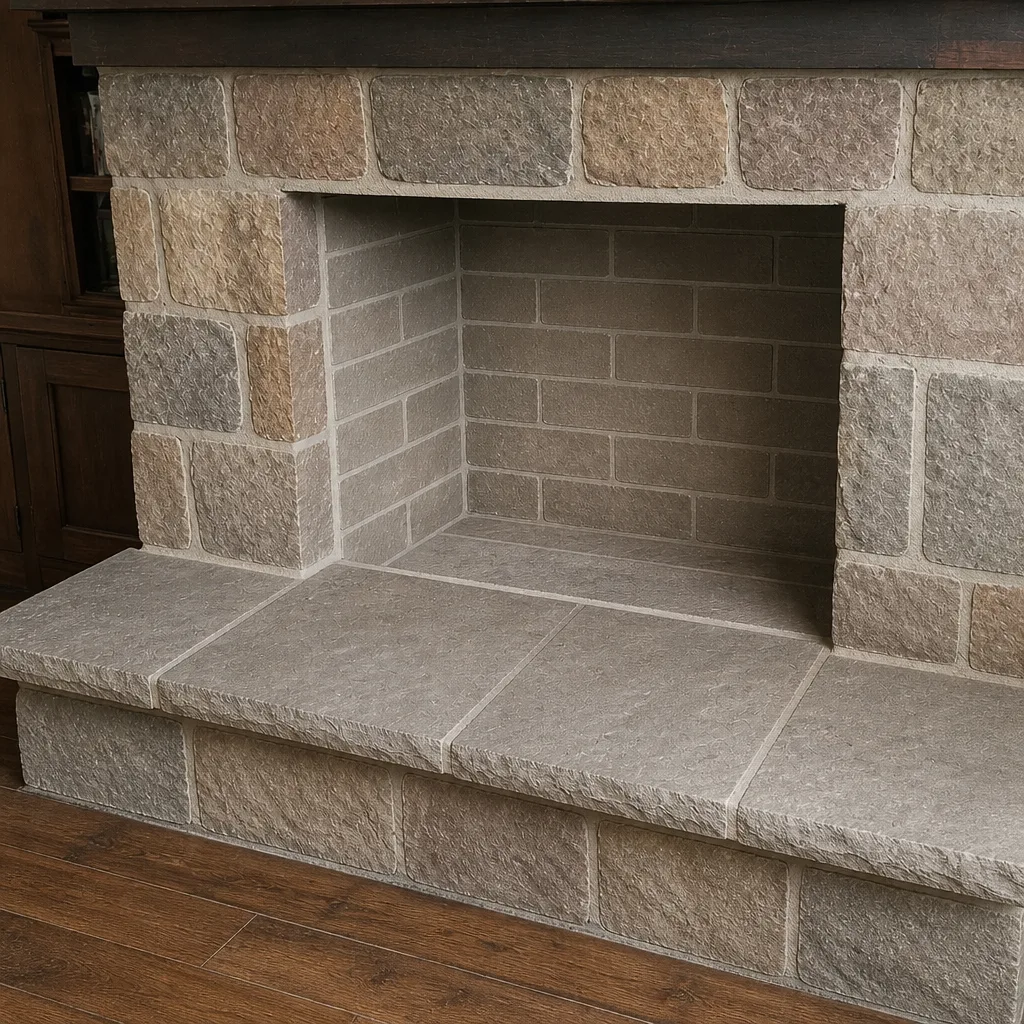
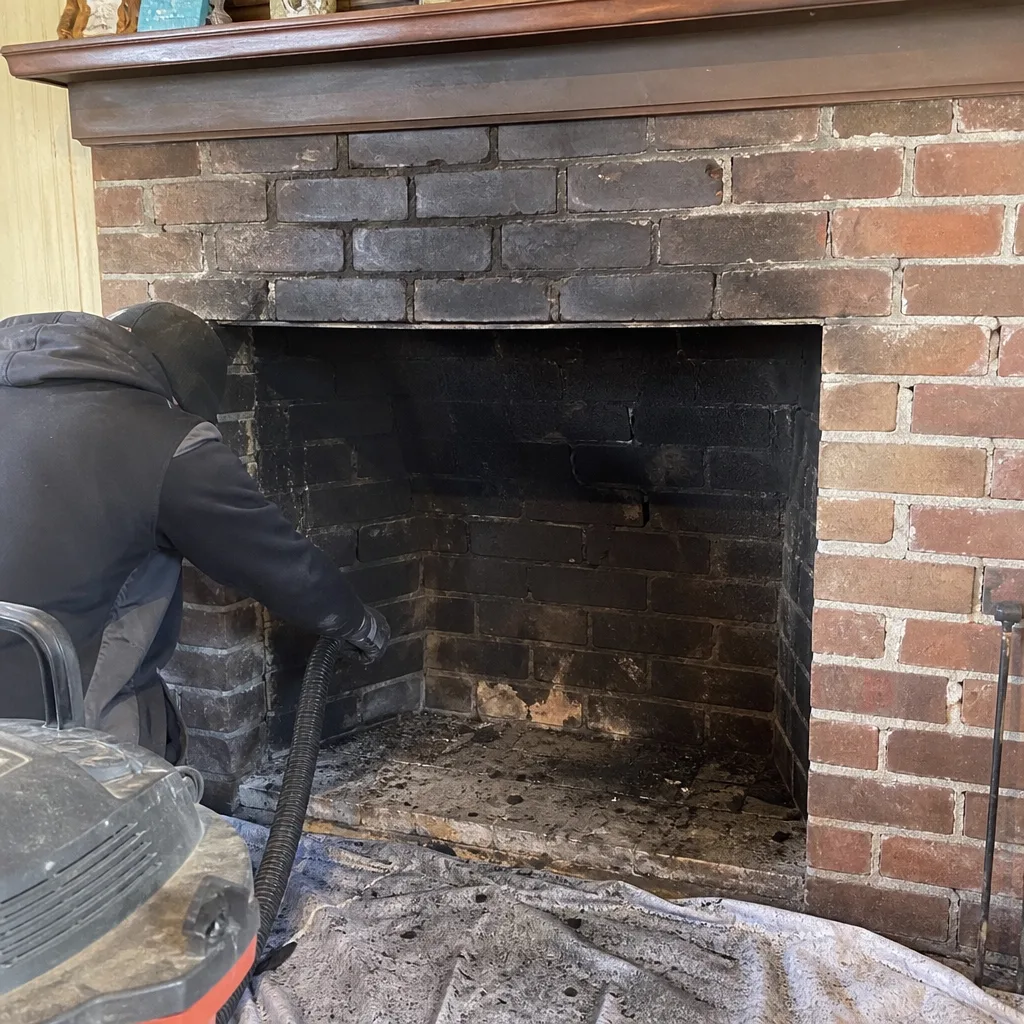
See the difference
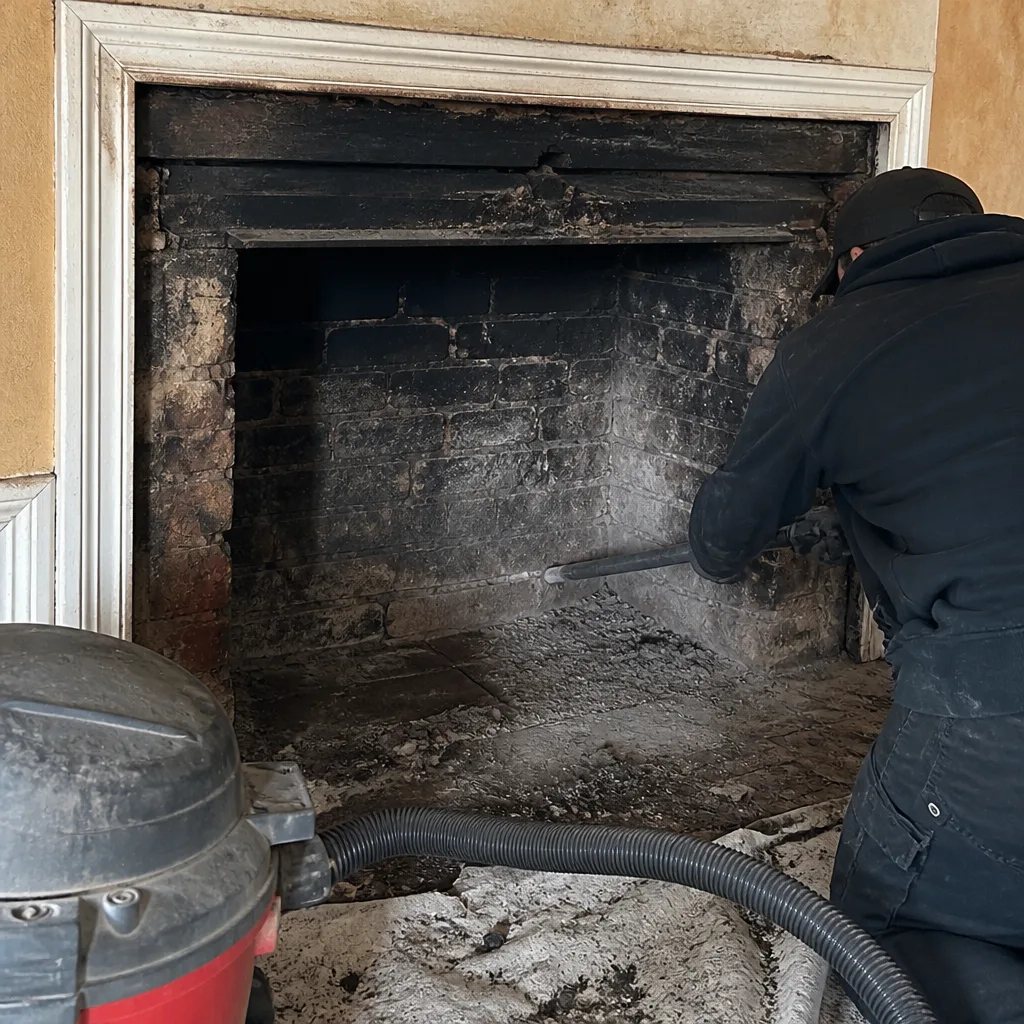 Before
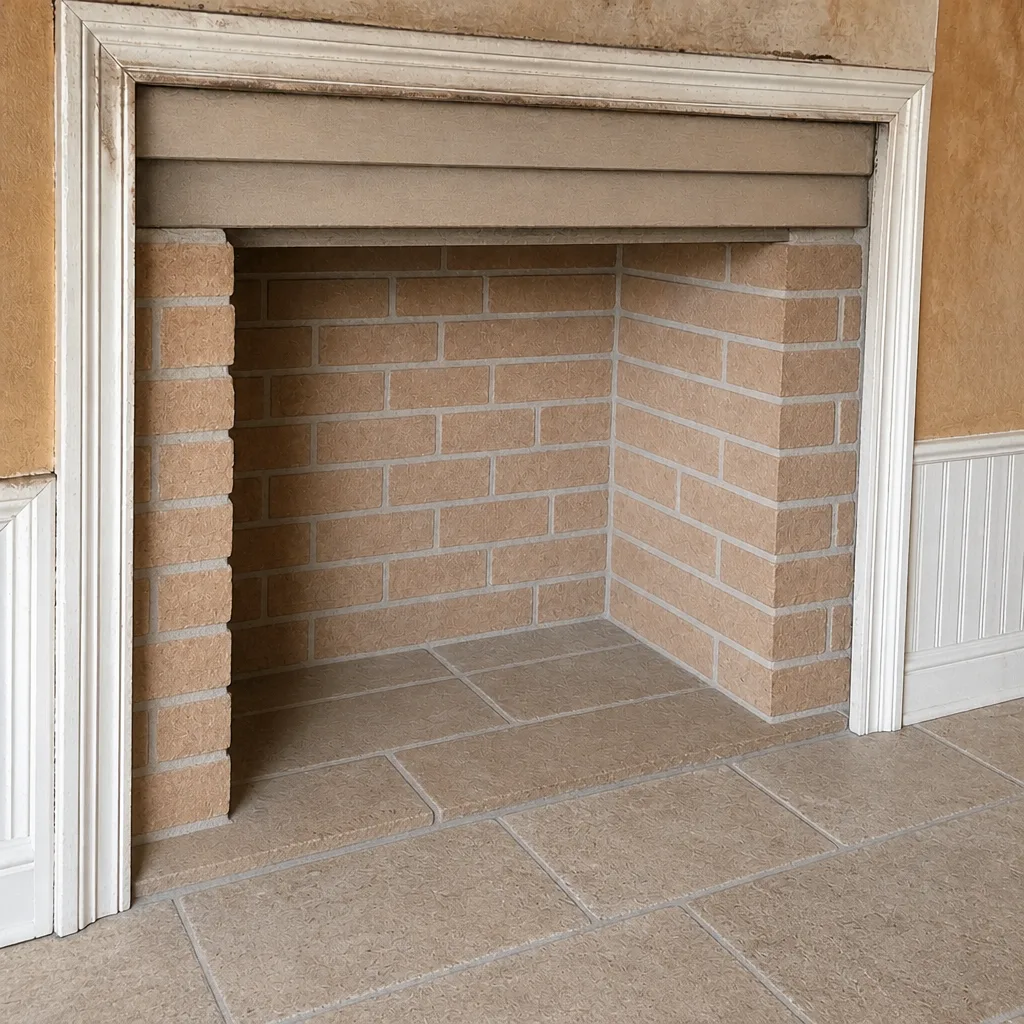 After
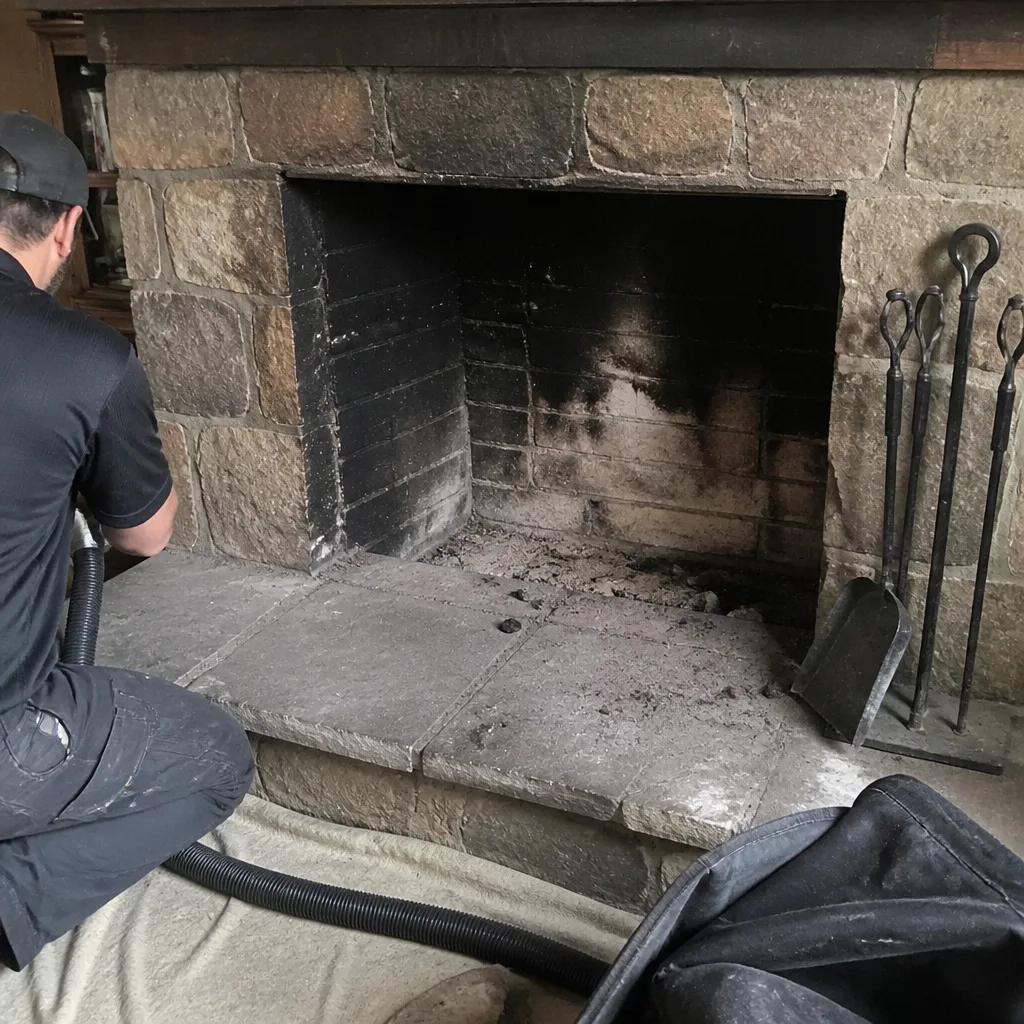 Before
 After
 Before
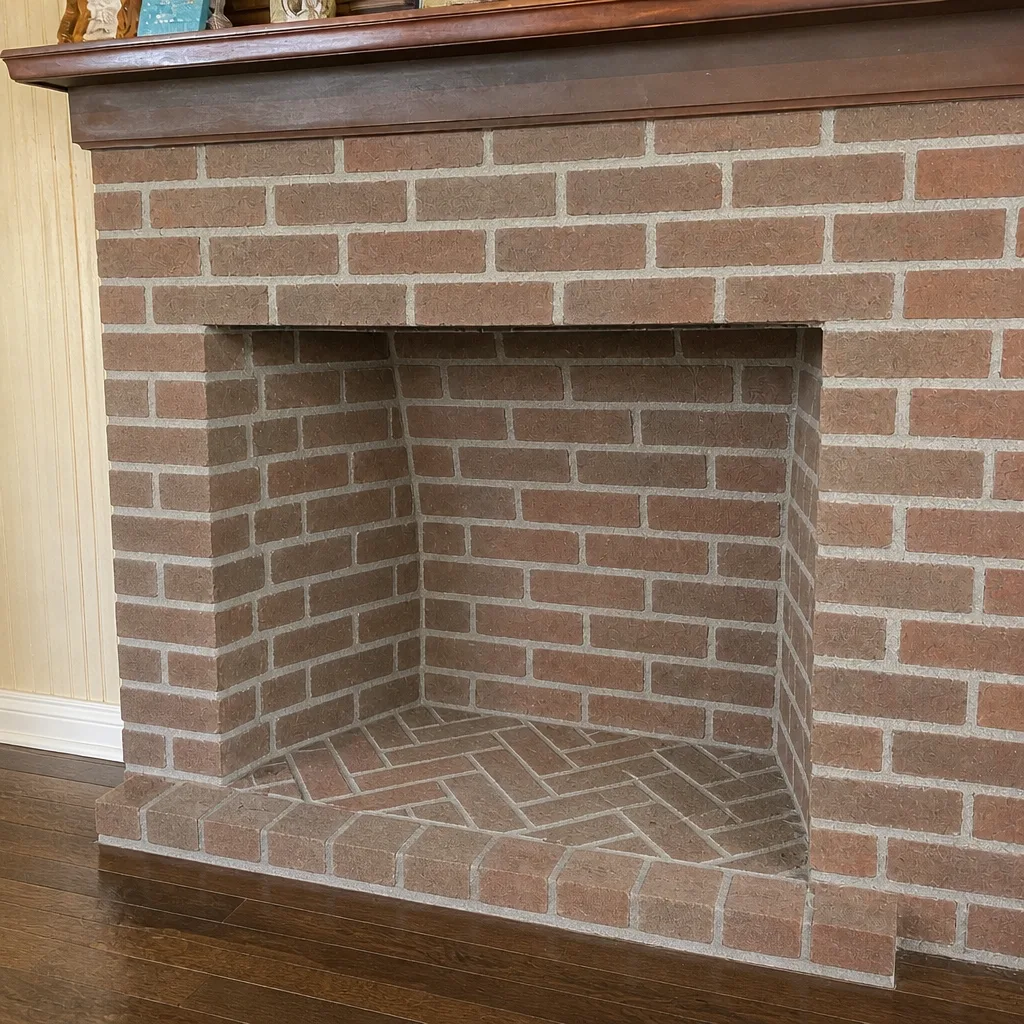 After
When to Call a Professional
If you see shiny black glaze inside the firebox, if the flue tile you can see is cracked, if you smell smoke in the house when the fireplace is not in use, if there’s water staining on the chimney exterior, if a cap is missing or damaged, or if you’re buying a home in Parkside and need a professional assessment on record – those are professional calls, not DIY calls. The same goes for any first-time sweep on a chimney whose service history you don’t know, which is the situation in most older Parkside homes. Our technicians have up to 11 years of experience and the inspection includes photo documentation of everything we find.
Chimney Sweep Parkside offers free estimates in Parkside – call (877) 770-1394. We answer 24/7. Fast dispatch from 7am to 7pm, Sunday through Friday. If you want an assessment without committing to repair work, book the inspection on its own; our Chimney Sweep Parkside team will tell you exactly what we find and show you what needs fixing before we touch anything.
Frequently Asked Questions
Yes, you can brush your own chimney, but brushing only removes soot from the flue walls. It does not inspect the flue tiles, assess creosote stage, or check the smoke chamber, which is where most serious problems in Parkside’s older chimneys live. DIY brushing between annual sweeps is fine; replacing the annual professional inspection is not.
Once a year is the standard for a home that uses the fireplace regularly, and more often if you burn more than a cord of wood per season or notice heavy creosote buildup. Parkside’s cold winters and the number of exterior-wall chimneys in the older housing stock make annual inspection a practical minimum rather than an upper bound.
Usually not. Most homeowner’s policies require documented maintenance, and a professional sweep’s written report with photo documentation is what an adjuster will ask for after a fire or carbon monoxide incident. Check your exact policy language with your carrier, but plan on the professional report as the version that protects you.
A professional sweep runs a camera through the full length of the flue and inspects the joints, the tile surfaces, and the smoke chamber for defects, then produces a written report with photos. That’s the part no homeowner can replicate with a brush and a flashlight, because the failures that matter are above the firebox and out of sight.
Yes, a mid-season brush of the firebox and lower flue is reasonable housekeeping if you burn a lot of wood. Make sure the flue is fully cooled, inspect the firebox with a flashlight first, and if you see shiny black glazed creosote, stop and call a professional – that stage needs treatment designed for it, not a brush.
Creosote keeps accumulating above the level you can see, and so does the risk that a hidden liner crack or a compromised smoke chamber goes unnoticed. Most years that’s harmless; the one year it isn’t, the repair bill starts at liner replacement and goes up from there. Call (877) 770-1394 for an exact quote on a sweep – estimates are free.
The Bottom Line
DIY chimney cleaning is real, but its scope is narrow. It removes soot from the surfaces you can reach and it keeps the firebox tidy between professional appointments. It cannot inspect a flue tile twelve feet up the chase, assess Stage 2 creosote that looks identical to Stage 1 from below, or identify a failing smoke chamber, and in Parkside’s older housing stock those are exactly the conditions that cause problems. The annual professional sweep is what produces the inspection, the written report, and the documentation your homeowner’s policy actually recognizes. Book the sweep, do the interim brushing if you want, and if the inspection turns up something, our team handles the full chain from cleaning to chimney repair to cap and crown work so you don’t need a second contractor. Call (877) 770-1394 for a free estimate. We answer 24/7. Fast dispatch from 7am to 7pm, Sunday through Friday.
Written by the team at Chimney Sweep Parkside.