
Last updated November 24, 2026
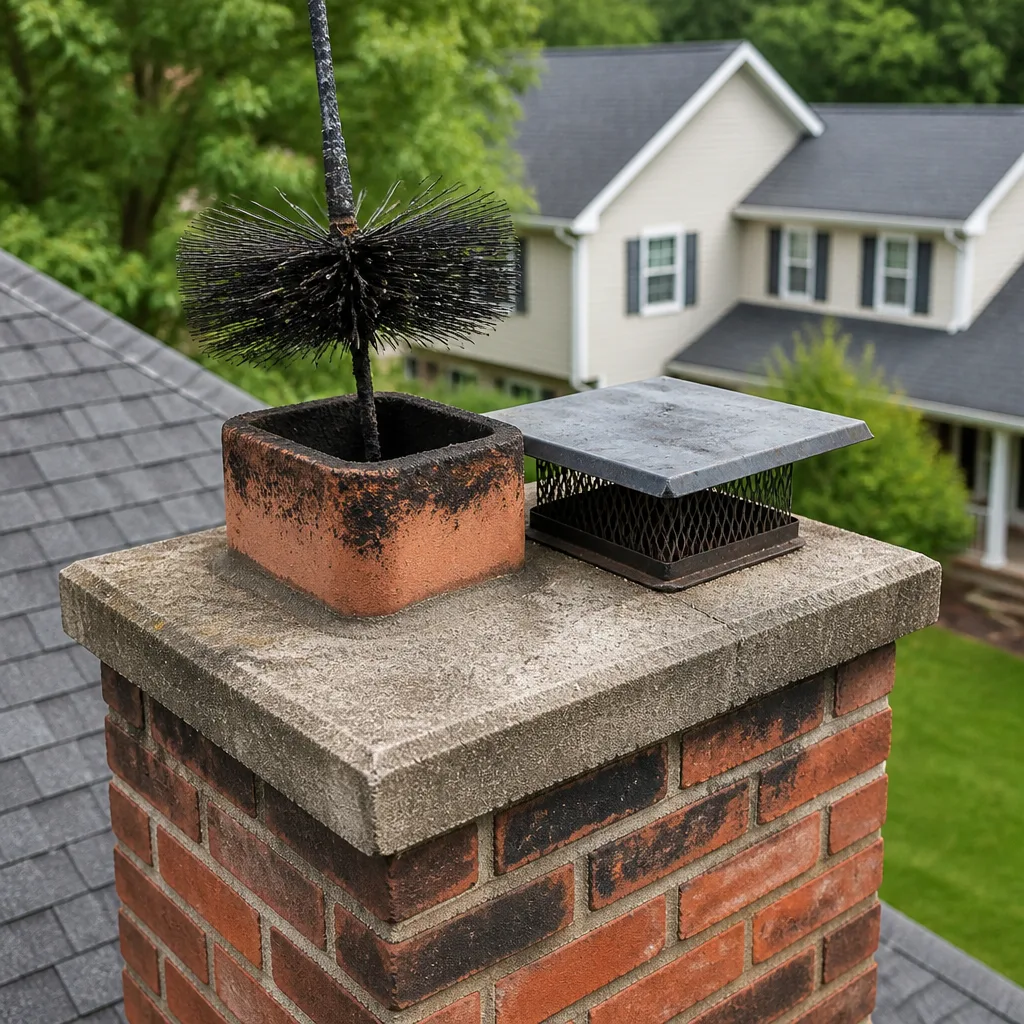 Sweep & inspection
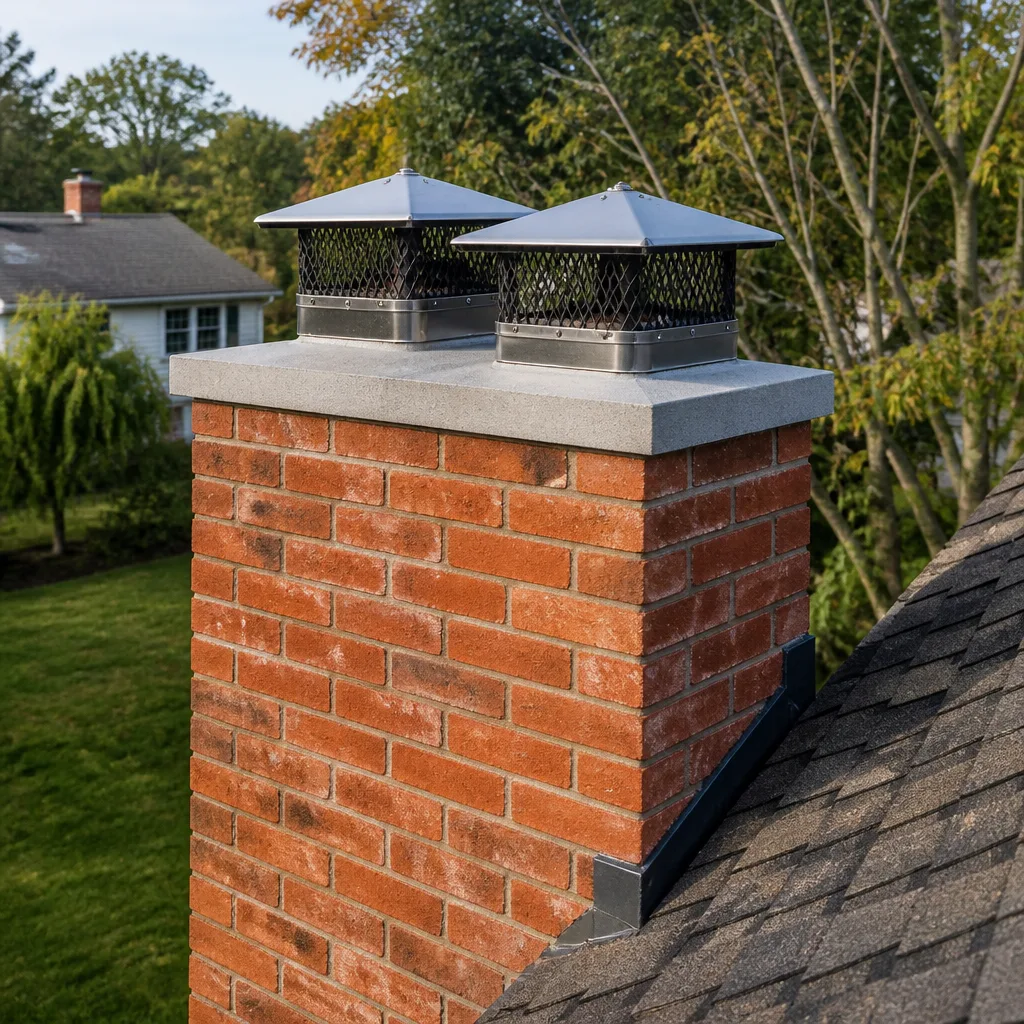 Caps & crowns
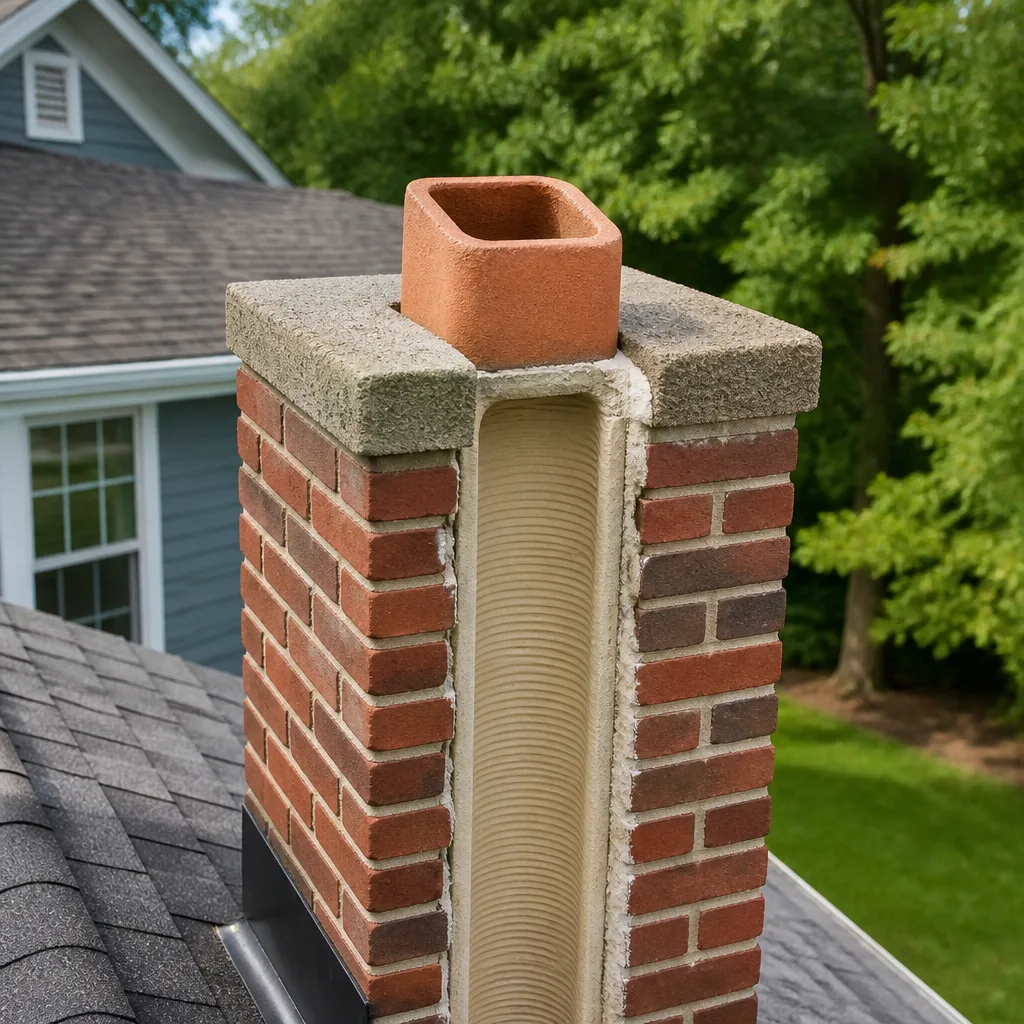 Flue relining
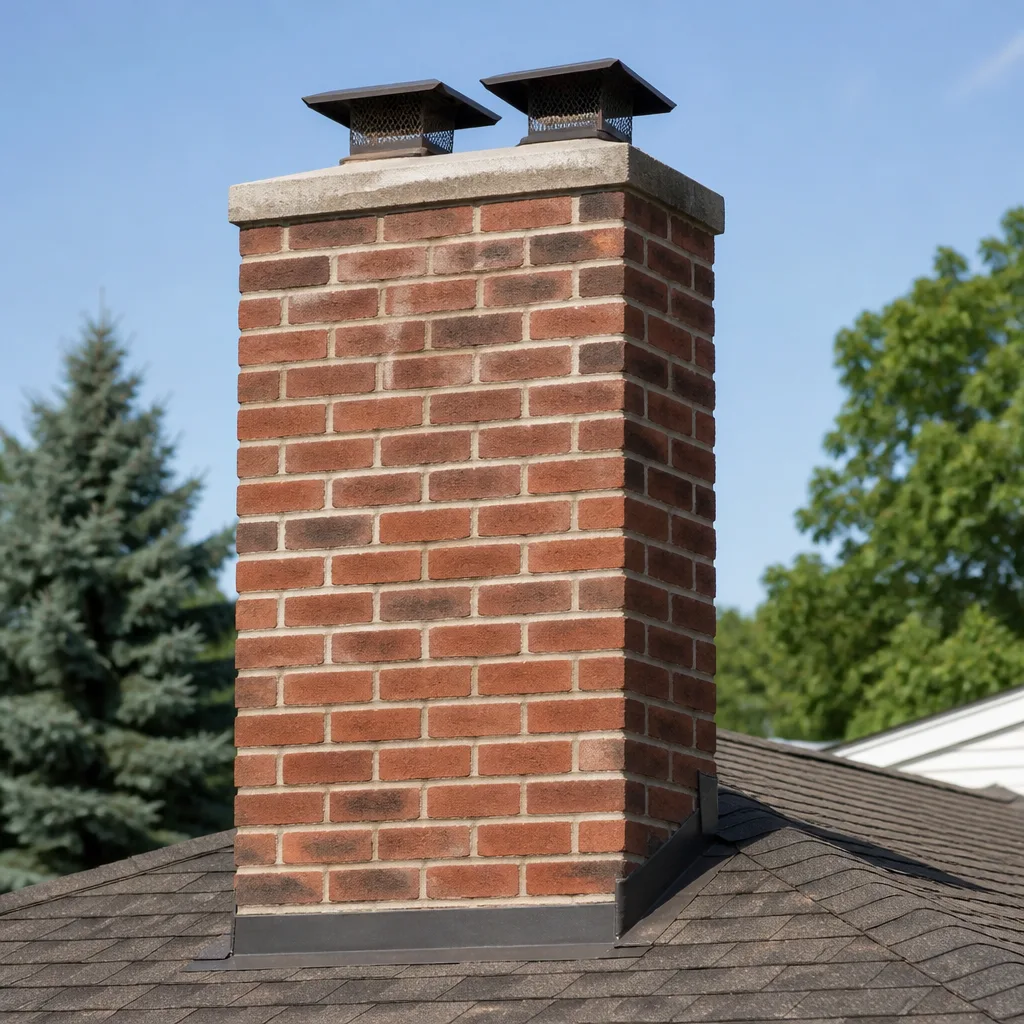 Masonry repair
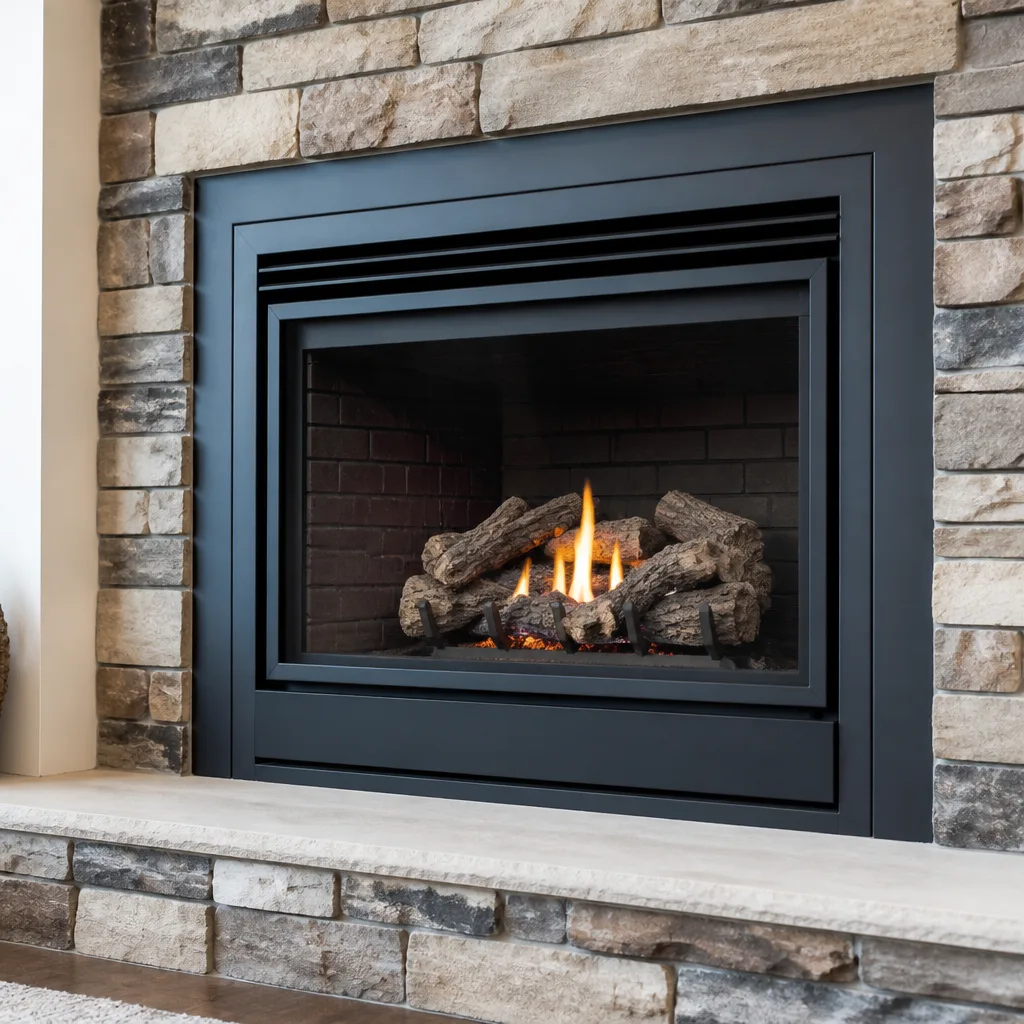 Gas fireplace service
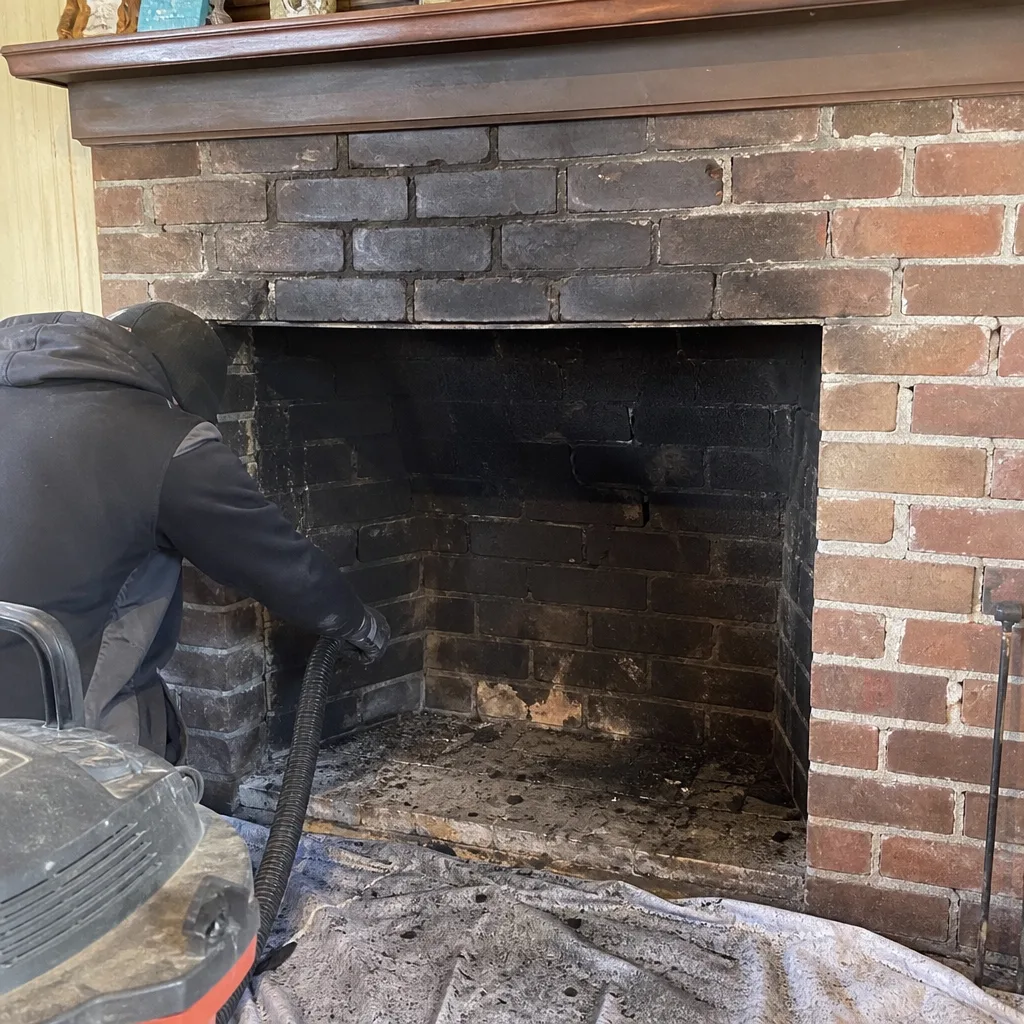
Level 1 sweep and inspection to the NFPA 211 annual standard - flue, crown, cap, and flashing checked and photographed
Chimney sweep logs do not sweep chimneys. They loosen some creosote - which then falls where a brush and vacuum still have to collect it.
The Complete Guide to Chimney Cleaning in Parkside
Most homeowners think of chimney cleaning as one job: a brush goes up, soot comes down, done. That picture is incomplete, and the gap between that idea and reality is where problems hide. Cleaning a chimney in Parkside means reading the flue, identifying what kind of deposit is lining it, and deciding whether brushing alone will remove it or whether the surface underneath needs work. Two chimneys on the same block can need completely different treatment. This guide walks through the whole system, from the three stages of creosote to the sequence of a proper visit, so you know exactly what you’re paying for and what questions to ask before anyone touches your chimney.
Quick Answer
Chimney cleaning in Parkside removes soot, creosote, and blockages from the flue and firebox and finishes with an inspection of the full system. A standard cleaning is a Level 1 visual inspection plus sweeping, while a Level 2 camera inspection is required when you’re buying or selling a home, after a chimney fire, or when the flue has changed. Cost and scope depend on what the flue actually contains, which is why a professional assessment comes before any recommendation.
Styles & brands we work with
- Sweep & inspection
- Caps & crowns
- Flue relining
- Masonry repair
- Gas fireplace service
Table of Contents
- What Chimney Cleaning in Parkside Actually Involves
- The Three Stages of Creosote and Why Brushing Isn’t Always Enough
- How Parkside’s Older Housing Stock Affects Flue Sizing and Cleaning Frequency
- Level 1 vs Level 2 Inspections: What Each One Means in Practice
- Oil-to-Gas Conversion Residue and Why It Needs a Different Protocol
- The Step-by-Step Sequence of a Professional Cleaning Visit
- When to Call a Professional
- Frequently Asked Questions
What Chimney Cleaning in Parkside Actually Involves
A chimney cleaning is a diagnostic procedure as much as a scrub-down. The sweep arrives, sets up drop cloths and a vacuum with a HEPA filter, then works from the firebox up through the flue and from the roof down, depending on the appliance and the access. At every stage the technician is reading the flue: looking for glaze on the walls, gaps in the mortar joints, cracks in the liner, and the condition of the smoke chamber above the damper. In Parkside, where a lot of homes still have their original masonry, that reading matters more than the brushing itself.
A thorough cleaning covers these areas:
- The firebox – soot, ash, and any debris that has fallen from above.
- The damper and smoke shelf – the shelf catches debris and is a common spot for blockages.
- The smoke chamber – the sloped area between the damper and the flue, often the dirtiest part of an older chimney.
- The flue itself – brushed with the correct size and stiffness of brush for the liner type.
- The cap and crown – checked from the roof for cracks, missing screens, and bird or squirrel nests.
What you should get at the end is more than a clean firebox. Ask for a written report of what was found, with photos if the technician took them. That report is your baseline. It tells you what condition the flue is in now, and it gives you something to compare against next year. If you want to understand the sweep side in more detail, our chimney sweep page covers the service itself. For the broader picture of what we do, see the Chimney Sweep Parkside page.
The Three Stages of Creosote and Why Brushing Isn’t Always Enough
Creosote is the residue left behind when wood smoke cools on the inside of the flue. It’s not one substance. It forms in three distinct stages, and each stage behaves differently and needs a different approach. Most homeowners have never been told which stage their chimney is at, and that’s the single most useful piece of information a sweep can give them.
Stage 1: Soot and Flaky Deposits
Stage 1 creosote is the light, flaky, dusty residue you see after a season of burning. It brushes off easily with a standard flue brush. If your chimney is at Stage 1, a routine cleaning is all it needs, and your burning habits are probably fine.
Stage 2: Crusty, Brittle Deposits
Stage 2 creosote is harder and crustier. It clings to the flue walls and doesn’t come off with a brush alone. This stage forms when the fire is burning cooler than it should, or when the wood is damp. Brushing will remove some of it, but the residue that stays on the flue wall keeps accumulating. Stage 2 is where a chemical treatment or a rotary cleaning tool becomes necessary, and where many sweep-only companies stop short.
Stage 3: Glazed, Hard Deposits
Stage 3 creosote is a hard, shiny, tar-like glaze. It looks almost like glass on the inside of the flue. It doesn’t brush off, it doesn’t scrape off, and it’s the stage most closely associated with chimney fires. Removing it usually means a chemical treatment to soften it, followed by mechanical removal, or in some cases resurfacing the flue with a product like HeatShield. A sweep who only carries a brush will tell you the chimney is clean when the glaze is still there.
What this means for a Parkside homeowner is straightforward. Ask your sweep which stage of creosote they found, and ask how they verified it. If the answer is vague, you’re not getting the information you need to make decisions about the chimney. Our technicians have up to 11 years of experience reading exactly this kind of deposit, and we show the customer what we find before we recommend anything.
How Parkside’s Older Housing Stock Affects Flue Sizing and Cleaning Frequency
Parkside has a lot of pre-1980 construction, and older homes come with older flues. The masonry chimneys built in that era were sized for the appliances of the time, and many have been retrofitted or repurposed since. A flue that was built for a wood stove may now be serving a gas furnace or a fireplace insert, and the flue size may not match what the new appliance needs. When that happens, the flue runs cooler, creosote builds faster, and cleaning frequency goes up.
Flue sizing matters because of a simple rule: the flue needs to be matched to the appliance. An oversized flue cools the smoke too quickly, which causes condensation and faster creosote formation. An undersized flue can’t move the smoke out fast enough, which leads to backdrafts and a dirtier firebox. In Parkside, where a lot of homes have had their heating systems changed over the years, this mismatch is common.
What this means in practice:
- A home with a wood-burning fireplace used regularly should be cleaned and inspected once a year, and more often if the wood is damp or the fire is burned low and slow.
- A home with a gas appliance in an older masonry flue needs an annual inspection to watch for liner deterioration and condensation damage, even though there’s no wood smoke.
- A home that has been converted from oil to gas needs a different kind of cleaning, covered in a later section.
- A home with a fireplace insert should have the insert pulled and the flue cleaned above it, because debris collects on top of the insert.
The annual rule of thumb is the same everywhere, but the actual frequency in Parkside depends on how the home is used. A fireplace that runs a few times a month during the cold months is a different animal from one that’s the primary heat source. If you’re not sure which category you’re in, the honest answer is to book an inspection and let the technician tell you what the flue looks like. Our chimney repair page covers what happens when the flue needs more than a cleaning.
Level 1 vs Level 2 Inspections: What Each One Means in Practice
Chimney inspections are classified by level, and the level tells you what the inspector can actually see. A Level 1 inspection is a visual check of the readily accessible parts of the chimney: the firebox, the damper, the visible portion of the flue, and the exterior from the ground or roof. A Level 2 inspection goes further, using a camera to look at the inside of the flue from top to bottom, including areas you can’t see from the firebox.
Here’s what each level covers in practice:
Level 1 Inspection
- Visual check of the firebox, damper, and smoke chamber.
- Visual check of the flue from the firebox and, where accessible, from the roof.
- Check of the cap, crown, and flashing.
- Appropriate for an annual maintenance check when nothing has changed.
Level 2 Inspection
- Everything in a Level 1 inspection.
- Video camera scan of the entire flue interior.
- Check of accessible attic and crawl space areas around the chimney.
- Required when a property is being bought or sold, when an appliance or fuel type has changed, after a chimney fire or a seismic event, and when the flue has sustained damage.
In Parkside, the most common reason for a Level 2 inspection is a real estate transaction. Sellers need one on record, and buyers want one before they close. A sweep who only offers cleaning will often try to bundle the inspection with the cleaning, or the other way around. What you actually want is the option to book an inspection on its own, with no repair commitment attached. That’s how we offer it, and it’s why our chimney cap & crown work is separate from the inspection itself. If a cap needs replacing, you’ll see it in the report first.
Oil-to-Gas Conversion Residue and Why It Needs a Different Protocol
A lot of Parkside homes were heated with oil at some point and have since been converted to natural gas or another fuel. What’s left behind in the flue from the oil-burning years is not the same as wood-burning creosote, and it doesn’t come off the same way. Oil-fired appliances leave a residue that’s often sulfurous and acidic, and it can sit in the flue for years after the conversion, quietly eating at the mortar and the liner.
Wood-burning creosote is mostly carbon and tar. Oil residue is a different chemical profile, and brushing at it with a standard flue brush can polish it rather than remove it. The protocol for a converted flue looks more like this:
- Inspect first. A camera scan tells you how much residue is there and whether the liner has been damaged.
- Assess the liner material. Clay tile, stainless steel, and older unlined flues all respond differently to oil residue.
- Use the right cleaning method. Depending on what’s found, that could be a chemical treatment, a rotary cleaning, or a resurfacing with HeatShield if the liner interior is deteriorating.
- Check for condensation damage. Gas appliances produce more water vapor than oil or wood, and in an older flue that can mean rust and spalling.
- Document what’s found. A written report with photos lets you track the flue’s condition over time.
The mistake is assuming a converted flue is clean because it doesn’t look dirty. Oil residue is often dark, thin, and stuck to the flue wall in a way that brushing alone won’t shift. If your home was converted from oil, mention it when you book. It changes the protocol from the first minute of the visit, and it’s the kind of thing a generalist handyman won’t know to ask about. Our scope is chimneys and fireplaces, and this is the kind of detail we work with every day.
The Step-by-Step Sequence of a Professional Cleaning Visit
Knowing what a visit should look like from start to finish is the best way to tell a professional sweep from a quick brush-and-go. The sequence below is what a proper cleaning should include. If a sweep skips steps or rushes through the inspection, you’re paying for less than you think.
- Arrival and setup. Drop cloths go down around the hearth. A vacuum with a HEPA filter is set up to capture dust. The technician confirms which appliance is being cleaned and whether it’s wood, gas, oil, or a pellet appliance.
- Pre-cleaning check. The firebox, damper, and smoke chamber are checked before any brushing starts. Any blockage, bird nest, or debris is noted.
- The sweep itself. The flue is brushed from the top down or bottom up, depending on access and liner type. The brush size matches the flue, and the technician works the smoke chamber and smoke shelf, not just the straight run of the flue.
- Debris removal. Everything that comes down is removed from the firebox and disposed of. Nothing is left in the fireplace for the homeowner to deal with.
- Inspection. The technician inspects the flue, damper, cap, crown, and flashing. A camera is used if a Level 2 inspection was booked or if the visible portion of the flue suggests a problem.
- Written report. You get a summary of what was found, what was cleaned, and what, if anything, needs attention. Photos are included where they help.
- Recommendations, not a sales pitch. If work is needed, it should be explained in plain language with the evidence to back it up. If nothing is needed, you should hear that too.
That last step is the one most homeowners care about, and it’s the one most worth watching for. We work with professional-grade components from brands like DuraFlex and Gelco, and we use them when they’re the right answer, not because there’s a quota to hit. If the flue is fine, we’ll tell you it’s fine. If you’re in a Parkside home and want a straight answer on which service you actually need, call us and we’ll walk through it.
Common Mistakes to Avoid
- Assuming a clean firebox means a clean flue. The firebox is the easy part. The creosote that matters is up the flue, and you can’t see it from the hearth. Ask what the technician found on the flue walls, not just what the firebox looks like.
- Skipping the inspection because the chimney “seems fine.” A chimney can look fine from the living room and have a cracked liner or a blocked cap. The inspection is how you find out, and in Parkside’s older homes it’s the most valuable part of the visit.
- Hiring a sweep who only cleans. A sweep who can’t identify Stage 2 or Stage 3 creosote, or who has no way to address it, will leave the problem in place. Ask what they do when brushing doesn’t remove the deposit.
- Burning damp or unseasoned wood. Wet wood burns cooler, which is exactly how Stage 2 and Stage 3 creosote forms. The fire feels fine, but the flue is paying for it.
- Ignoring oil-conversion history. If the home was converted from oil, the flue needs a different cleaning protocol. Mention it when you book so the right tools and methods are on the visit.
- Bundling an inspection with a repair. A real estate inspection should be bookable on its own, so the report is independent of any work the sweep might sell. If the only way to get an inspection is to agree to repairs, that’s a problem.
- Putting off the annual cleaning because the fireplace wasn’t used much. A flue that sat all season can still have a nest, a cracked cap, or condensation damage. The annual check catches those before they become expensive.
When to Call a Professional
Some chimney issues announce themselves and some don’t. Call a professional if you smell smoke in the room when the fireplace is running, if the fire doesn’t draw properly, if you see staining on the ceiling or the chimney exterior, or if you’ve had a chimney fire, even a small one. Call if the cap is missing or damaged, if there’s visible crumbling on the crown, or if the home was converted from oil and has never had the flue assessed. And call if you’re buying or selling a Parkside home and need an inspection on record. Chimney Sweep Parkside offers free estimates in Parkside – call (877) 770-1394. We answer 24/7. Fast dispatch from 7am to 7pm, Sunday through Friday. A call outside dispatch hours is booked into the next opening, Sunday through Friday, 7am to 7pm.
Frequently Asked Questions
Once a year for a wood-burning fireplace that gets regular use, and once a year for inspection even if it doesn’t. Homes with oil-to-gas conversions or older masonry flues may need more frequent assessment, especially if the flue is oversized for the appliance. Call (877) 770-1394 for an exact quote on a cleaning – estimates are free.
Stage 1 is flaky soot that brushes off easily, Stage 2 is a crusty deposit that needs more than a brush, and Stage 3 is a hard glaze that requires chemical treatment or resurfacing to remove. The stage determines what kind of cleaning you actually need. Ask your sweep which stage they found. Call (877) 770-1394 to book an assessment.
You need one if you’re buying or selling the home, if the appliance or fuel type has changed, or after a chimney fire. For a routine annual check with nothing changed, a Level 1 inspection is usually enough. If you’re not sure which applies, call (877) 770-1394 and we’ll help you sort it out.
Creosote keeps building up, and it moves from Stage 1 toward Stage 2 and Stage 3 over time. The higher the stage, the harder it is to remove and the more it costs to address, and a heavily glazed flue is the condition most associated with chimney fires. The annual visit is far cheaper than the repair. Call (877) 770-1394 for an exact quote.
Yes. Oil residue is chemically different from wood creosote and doesn’t respond the same way to brushing, so the cleaning protocol changes and the liner needs a closer look. Mention the conversion when you book. Call (877) 770-1394 and we’ll set up the right visit.
Yes. Our inspection service is a standalone booking, so you can get a professional assessment without agreeing to repairs. That matters most in a real estate transaction, where the report should be independent of any work being sold. Call (877) 770-1394 to schedule.
The Bottom Line
Chimney cleaning in Parkside is a set of decisions, not a single task. The cleaning removes what’s on the flue, the inspection tells you what condition the flue is in, and the creosote stage tells you whether brushing is enough or whether the surface underneath needs more. Older housing stock and oil-to-gas conversions change the picture further, and a sweep who only carries a brush won’t catch either. Get the report, ask which stage of creosote was found, and book the inspection on its own if you need it for a sale. Call (877) 770-1394 for a free estimate. We answer 24/7. Fast dispatch from 7am to 7pm, Sunday through Friday.
Written by the team at Chimney Sweep Parkside.
See the difference
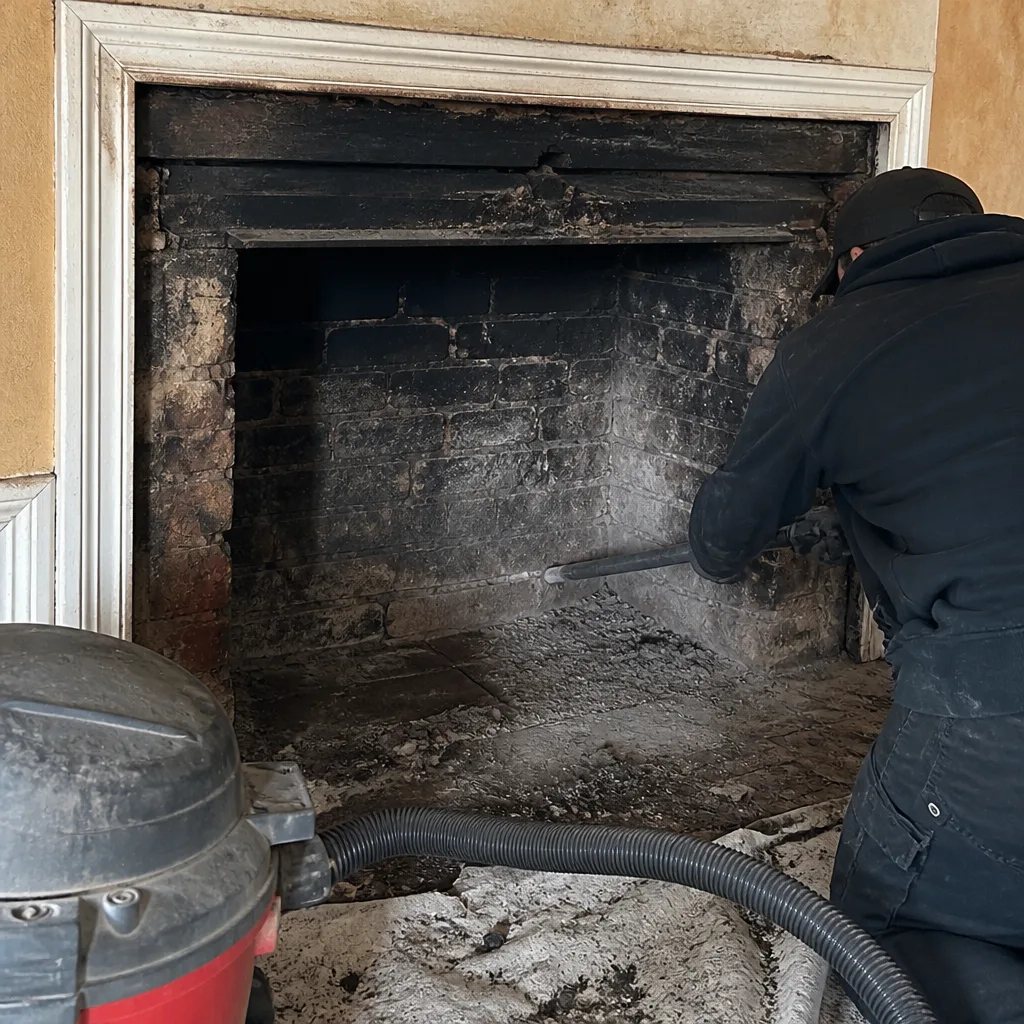 Before
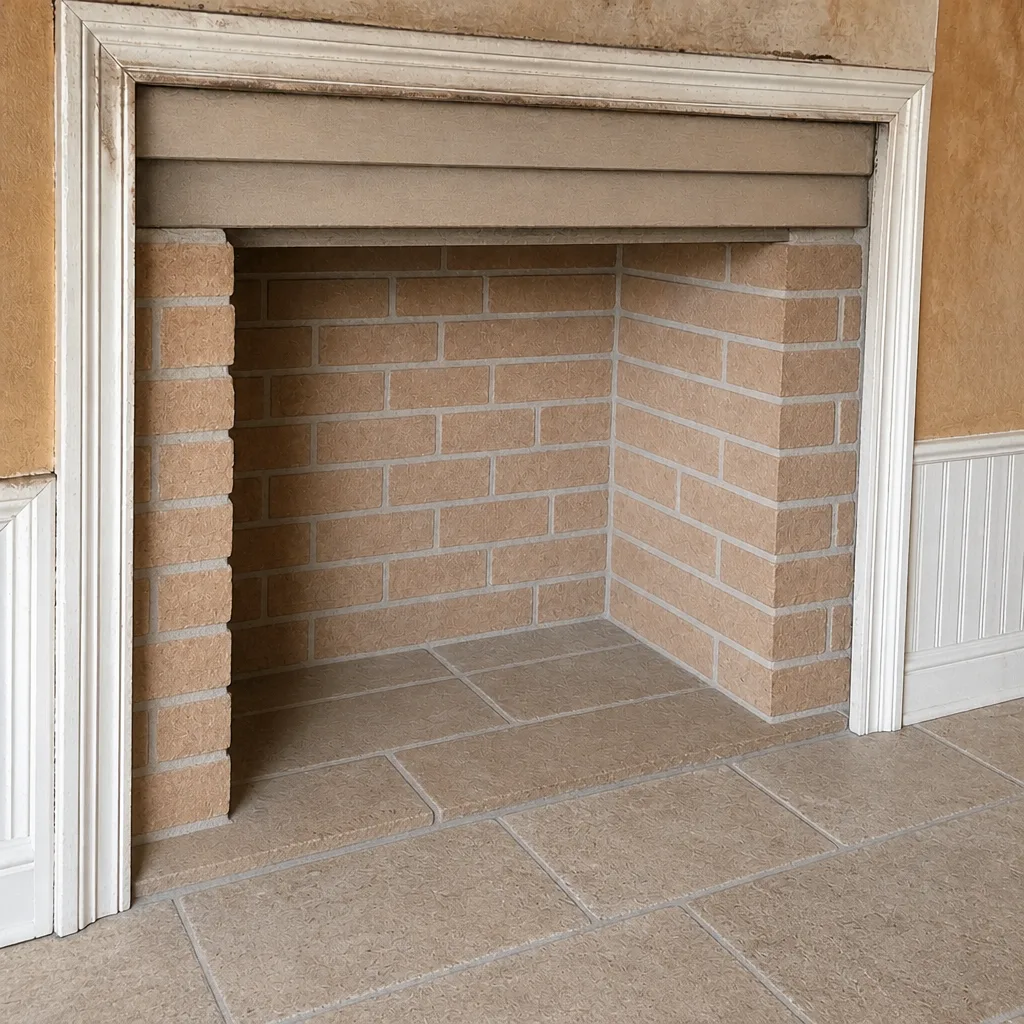 After
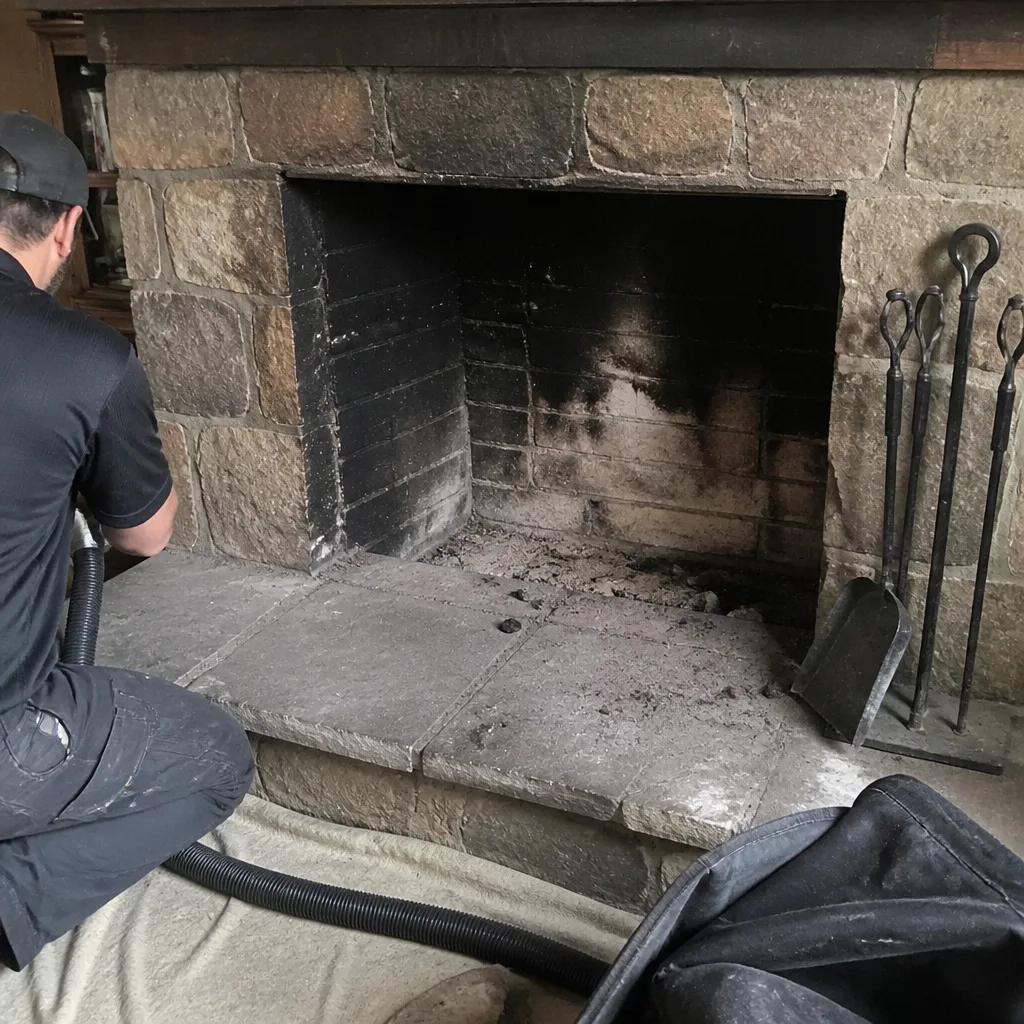 Before
 After
 Before
 After