
Last updated November 24, 2026
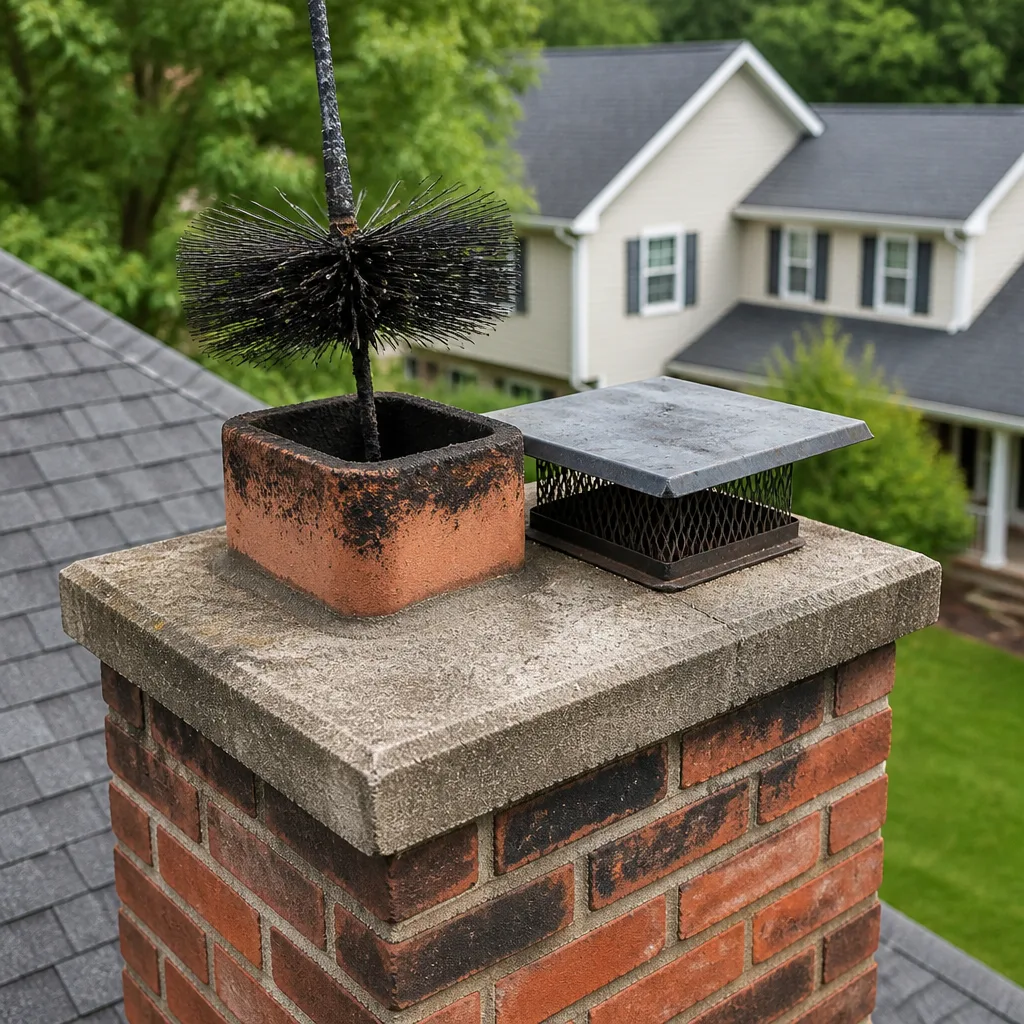 Sweep & inspection
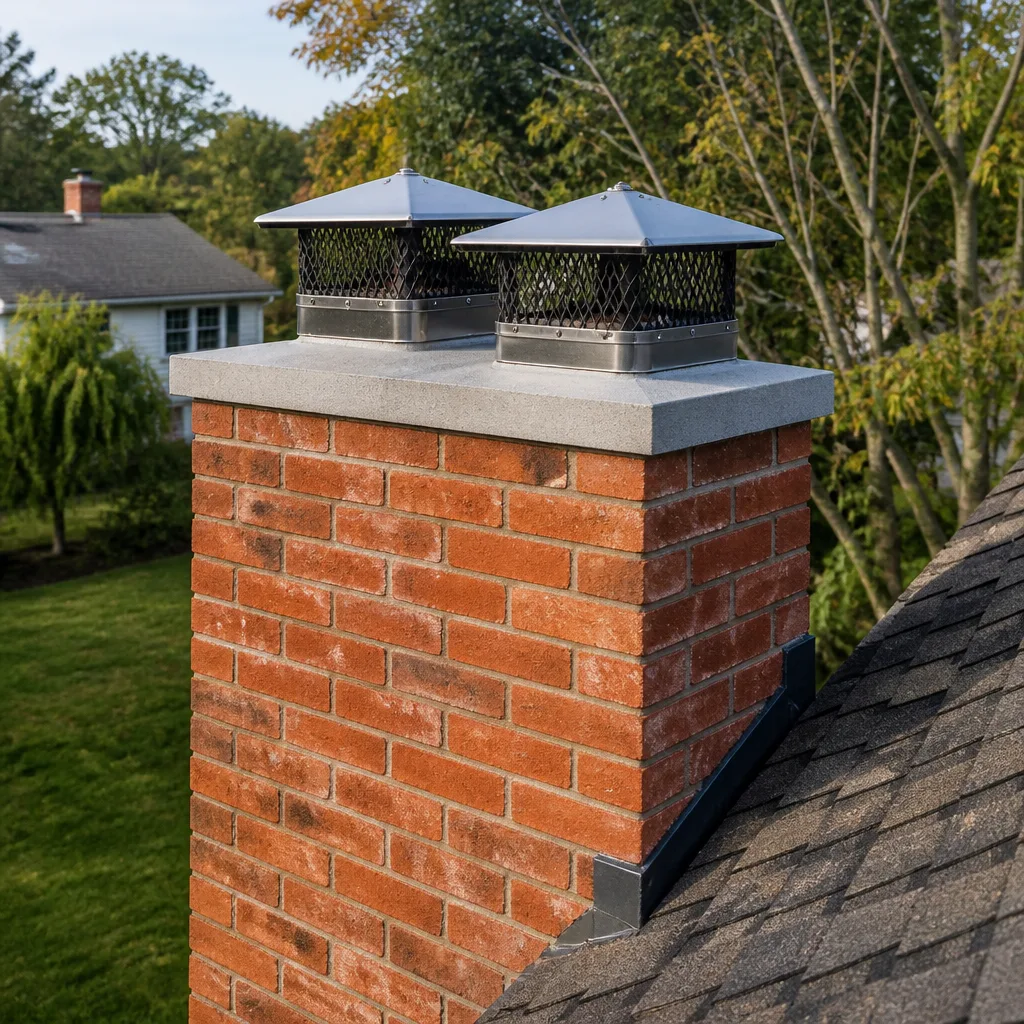 Caps & crowns
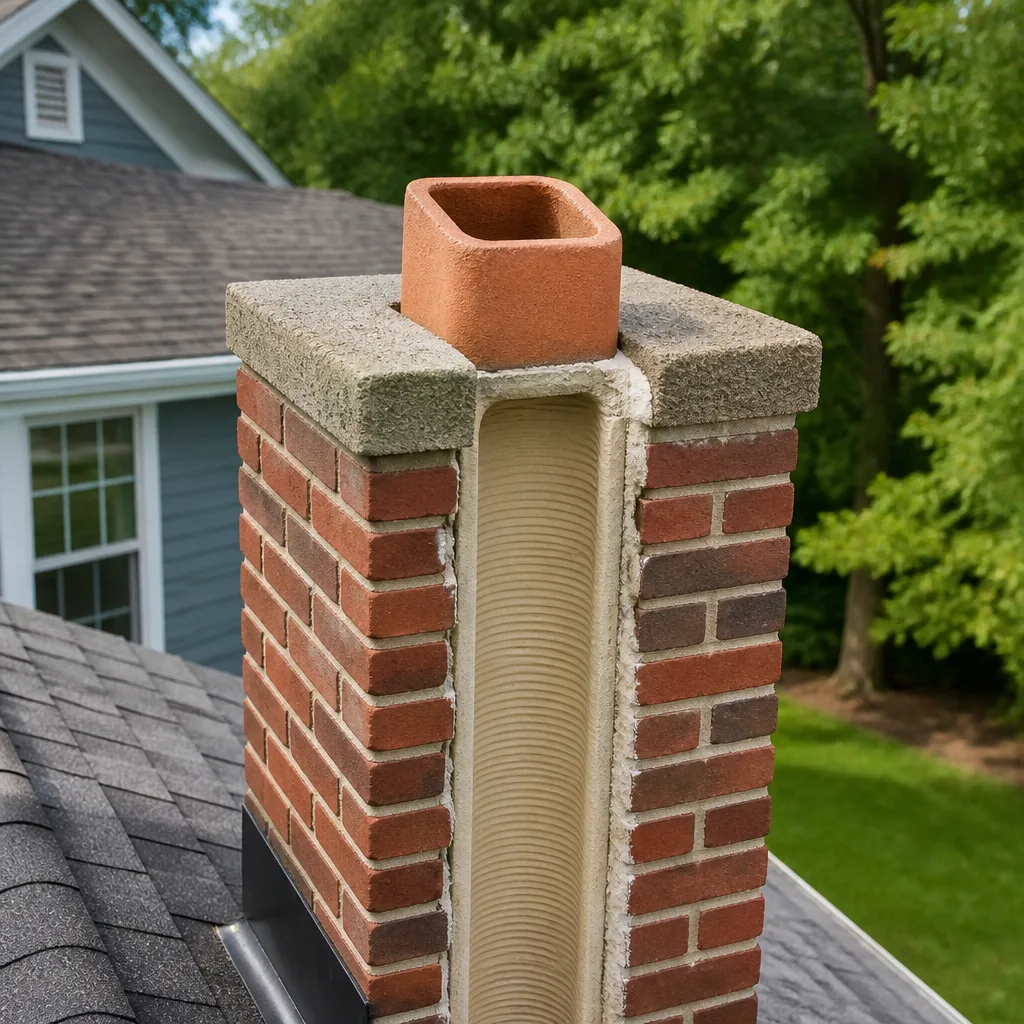 Flue relining
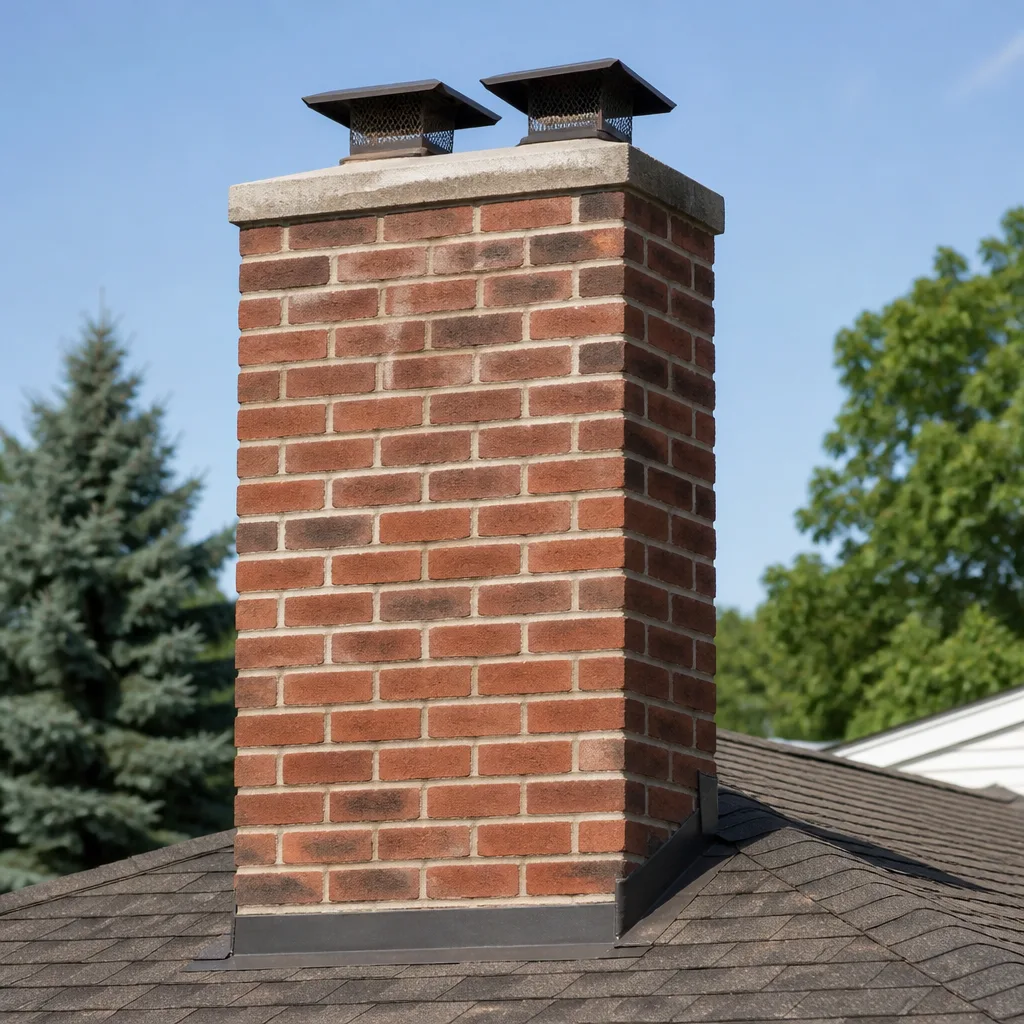 Masonry repair
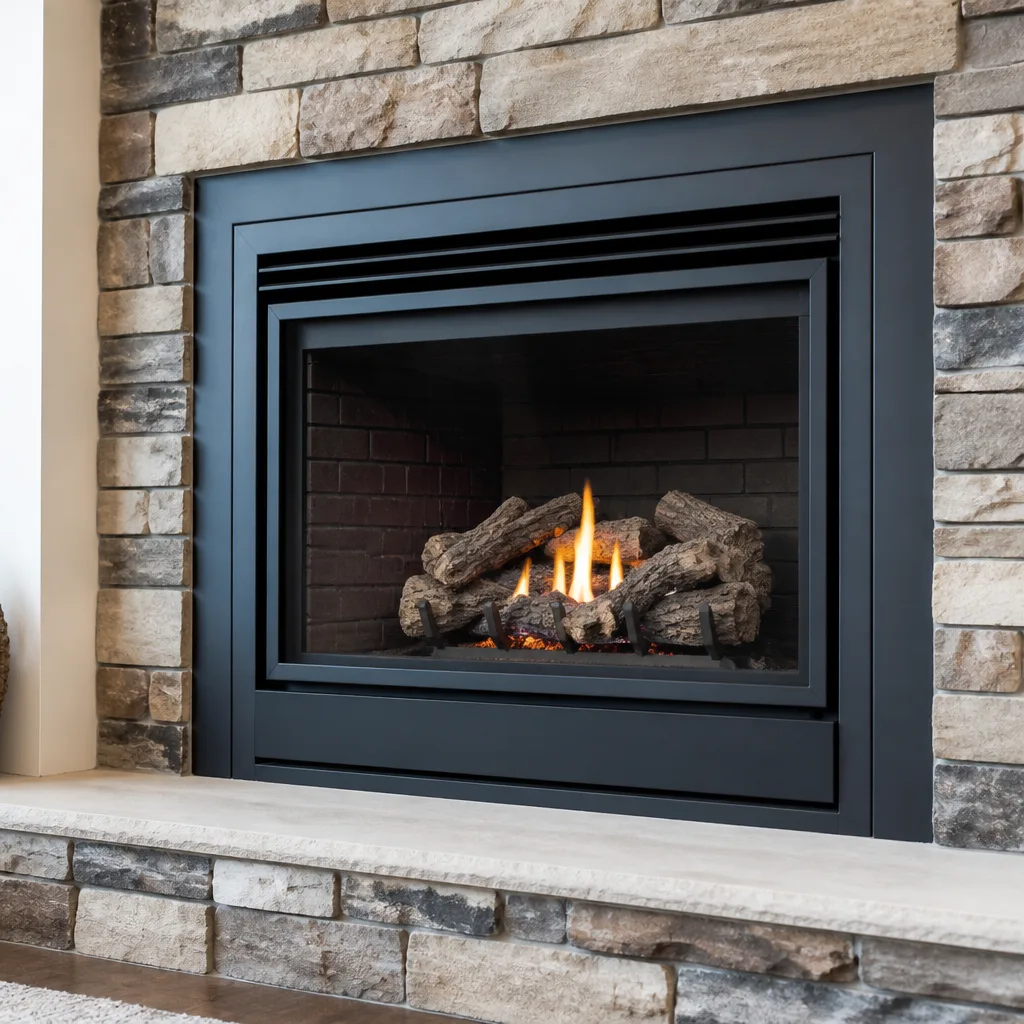 Gas fireplace service
Level 1 sweep and inspection to the NFPA 211 annual standard - flue, crown, cap, and flashing checked and photographed
Chimney sweep logs do not sweep chimneys. They loosen some creosote - which then falls where a brush and vacuum still have to collect it.
Chimney Sweep Maintenance Checklist for Parkside Homeowners
Most chimney checklists online are recycled from generic home maintenance templates. They tell you to “inspect your chimney annually” without specifying what you’re looking for, what tools you need, or what disqualifies a DIY check and demands a professional. That advice is useless when you’re standing in your basement in Parkside staring at a flue collar you’ve never paid attention to. This guide fixes that. What follows is a task-by-task maintenance calendar built around Parkside’s actual burn season (October through March), the freeze-thaw pattern that shapes so much masonry failure here, and the specific failure points we find most often in this part of New York. You’ll learn what to check yourself, what to leave to a pro, and how to document it all year over year.
Quick Answer
A working chimney maintenance checklist for Parkside has four layers: monthly visual checks you can do yourself, an annual professional sweep and inspection timed to late summer or early fall, off-season structural attention to the crown, flashing, and masonry joints, and year-over-year documentation so any repair estimate you get can be compared against a real baseline. Most of the checklist is simple and free. The items that aren’t are the ones worth scheduling before the heating season starts.
Styles & brands we work with
- Sweep & inspection
- Caps & crowns
- Flue relining
- Masonry repair
- Gas fireplace service
Table of Contents
- The Month-by-Month Parkside Chimney Maintenance Calendar
- What You Can Check Yourself and What Requires a Camera Inspection
- The Masonry, Crown, and Flashing Points That Fail First in Parkside
- Warning Signs That Belong on Every Checklist
- How to Document Chimney Condition Year Over Year
- Which Checklist Items Are Insurance-Relevant
- How Often Should a Chimney Be Swept?
- Common Mistakes to Avoid
The Month-by-Month Parkside Chimney Maintenance Calendar
Chimney maintenance in Parkside is seasonal work, and the season is longer than most people assume. Heating season runs October through March, but the work that keeps your chimney safe during those months happens in August and September, when the weather is dry and crews have room in their schedule. Here’s how the year breaks down.
- April. The last fires of the season. Once you’re done burning, close the damper and look up the flue with a flashlight. Note any buildup you can see and schedule your sweep for late summer.
- May. Walk the exterior. Look at the crown for cracks, the flashing where the chimney meets the roof for lifting or gaps, and the mortar joints for crumbling. This is the first good weather for exterior observation.
- June. Rainy season for this region. Water intrusion becomes visible now. Check the attic and ceiling near the chimney for staining. If you find any, that’s a flashing or crown issue, not a roofing issue.
- July. Book the sweep and inspection. Scheduling in July gets you the date you want. Late-summer slots fill first, and a pre-season sweep is the single most important item on the calendar.
- August. Have the chimney swept and inspected. Any repairs identified in the inspection should be done now, not in November when the first cold snap arrives.
- September. Complete masonry and cap work. Test the fireplace with a small fire. Check the smoke draw and confirm the damper operates freely.
- October through March. Heating season. Monthly visual checks only. While you’re burning frequently, empty the ash pit at the base of the firebox regularly and keep an eye on creosote accumulation if you burn often.
- March. End-of-season review. Revisit your baseline photos and notes, schedule the next sweep, and note anything the winter revealed.
The temptation is to do everything in October when the first cold night reminds you the chimney needs attention. That’s the worst month for scheduling and the wrong month for masonry work, because freeze-thaw cycles are already underway. The best chimney work in Parkside happens in the warm months.
What You Can Check Yourself and What Requires a Camera Inspection
A homeowner with a flashlight can observe a lot. A homeowner cannot see the inside of a flue beyond the first turn, cannot assess the internal condition of a liner, and cannot determine whether a crack in the firebox is cosmetic or structural. The line between the two is fairly clear.
What you can and should check yourself:
- Creosote buildup visible above the damper
- Damper operation (open it, close it, feel for resistance or sticking)
- Cracks or gaps in the firebox brick visible from the hearth
- The chimney cap: is it intact, attached, and free of debris?
- Crown condition, viewed from the ground or a window with binoculars
- Flashing at the roof line, from the ground
- Any staining on interior walls or ceilings near the chimney
- Smoke draw on a cold start (does smoke spill into the room?)
What requires a professional and a camera:
- The condition of the flue liner from top to bottom
- Hidden cracks in the smoke chamber or above the damper
- Whether a flue tile has shifted, spalled, or separated
- Third-degree creosote (glazed, hardened deposits that cannot be brushed off)
- Determining whether a firebox crack extends into the surrounding masonry
- Whether the flue is the correct size and type for the appliance venting into it
If you’ve moved into a home in Parkside and don’t have a record of the last inspection, a professional assessment is the correct first step before you light a single fire. We work on chimneys and nothing else, and our inspection is available as a standalone booking with no repair requirement attached. A video camera inspection with a photo report gives you evidence you can look at yourself, and we can complete it on the same visit as a chimney sweep so you get the full picture in one appointment.
The Masonry, Crown, and Flashing Points That Fail First in Parkside
Parkside sits in a Northeast climate where water is the biggest threat to masonry. The pattern is simple and predictable: moisture gets into small cracks, freezes, expands, and widens the crack. That cycle repeats dozens of times every winter. The parts of your chimney that fail first are the ones that hold water longest.
The crown. The crown is the concrete or masonry cap on top of the chimney. It sheds water away from the flue and the brick below. A hairline crack in the crown lets water in, and once the freeze-thaw cycle starts working on it, that crack widens quickly. A crown that’s spalling (flaking off in pieces) or separating at the flue edge is already failing. This is the number one point of failure we see in the Parkside area.
The mortar joints. Mortar is softer than brick. It absorbs water and breaks down first. Look at the joints on the exterior stack, especially on the north-facing side and near the top, where wind-driven rain lands hardest. Crumbling mortar that you can scrape out with a fingernail is a real concern. Repointing is the standard fix, and doing it before water gets behind the brick is far less costly than rebuilding a chimney that’s already spalling.
The flashing. Flashing is the metal at the roof line where the chimney passes through. It’s the transition point between the chimney and the roof, and it’s where water intrusion most often starts. Look for lifted, curled, or missing flashing. Also look for a dark stain on the masonry just below the roof line; that’s a sign water is getting in where the flashing has failed. Flashing failures can damage the surrounding roof sheathing and the interior of your home if left long enough.
The cap. Not to be confused with the crown, the chimney cap is the cover over the flue opening that keeps rain, snow, birds, and squirrels out. A missing or damaged cap lets water directly into the flue, which is the worst place for it to go. Cap work is often deferred because it’s not visible from inside the house, and it’s usually the least expensive fix on this list. We install caps and crowns using Gelco and Famco components, which is the kind of work a sweep-only company leaves for someone else.
Warning Signs That Belong on Every Checklist
The warning signs that belong on your personal checklist are the ones that are observable without tools. If you see any of these, it doesn’t automatically mean a repair; it means you should have someone look at it.
- Smoke spilling into the room on cold starts. A chimney that draws well when it’s warm outside and poorly when it’s cold has a draft problem worth investigating.
- A smell in the house even when there’s no fire. That’s often creosote or moisture, and it usually gets stronger in humid weather.
- Dark staining on the exterior brick. Soot staining on the outside means the flue is leaking.
- White staining or a powdery surface on the brick. Efflorescence means water is moving through the masonry.
- Visible cracks in the firebox. Any crack deep enough to catch a fingernail deserves a professional look.
- Damaged or missing cap. Straightforward, and easy to fix.
- Rust on the damper or firebox hardware. Rust is a water-intrusion indicator.
- Birds or animals in the firebox. A sure sign the cap is missing or compromised.
None of these are emergencies. All of them are worth a call. The point of a checklist is to catch things while they’re still small enough to fix without major work.
How to Document Chimney Condition Year Over Year
Documentation is the item almost nobody does, and it’s the one that pays off most when you get a repair estimate. A chimney’s condition is a moving target. Without a baseline, you have no way to know whether the crown has been deteriorating for one year or five, or whether the interior of the flue looked better or worse the last time someone looked at it. Here’s how to build a record you’ll actually use.
- Start a chimney folder. Physical or digital, doesn’t matter. Keep it with your home maintenance records.
- Photograph the exterior from the ground each spring. Four angles: front, back, left, right. Same spots, same lens if possible.
- Note the date of each professional sweep and inspection. The sweep report and any camera inspection photos belong in the folder.
- Note any repairs and their dates. Repointed joints, a new crown, a replaced cap. Include the brand of any component installed (HeatShield, Gelco, Famco) so future work matches.
- Write one sentence each spring. “Smoke drew normally this winter,” or “Smelled creosote in the living room in March.” Over time this becomes a real timeline.
- Take interior photos of the firebox and damper each fall. Same angles every year.
When someone gives you a chimney estimate, ask how their recommendation compares to your file. A contractor who can point to a specific condition change in your own documentation is giving you evidence. One who says “this needs a new crown” without referring to anything you can see is asking you to take it on faith. Ask for camera footage and photos. If a repair can wait safely, ask them to say so. A folder with 11 years of dated sweeps and a camera inspection report tells a very different story than “we never had anyone look at it.”
Which Checklist Items Are Insurance-Relevant
Most homeowners insurance policies respond to chimney fires, but the claim process depends heavily on documentation. Insurance carriers vary in what they ask for, so the checklist below is about what to have ready, not a promise that any particular expense will be covered. Check your specific policy, or ask your agent.
- Annual sweep records. Many carriers will ask whether the chimney was maintained before a fire claim. Dated sweep reports are the simplest proof.
- Inspection reports. A camera inspection report with photos is meaningful after a claim because it establishes what condition the chimney was in before an incident.
- Repair records. If a crown, cap, or flashing repair was completed recently, that’s useful context. It shows the chimney was being maintained.
- Photographs. Before-and-after photos of any chimney work, plus the annual spring photo series, are the kind of documentation an adjuster can process quickly.
- Contractor documentation. The invoice for a professional repair is the record. Keep them.
The relevant question after a chimney fire isn’t usually “was this covered?” but “can you show this chimney was maintained?” The checklist items above are the answer. If your carrier requests a professional assessment after a claim, an independent chimney repair inspection with a written report is the document you want on file.
How Often Should a Chimney Be Swept?
The industry standard is once a year for a chimney in regular use, but frequency depends on how much wood you burn and what kind of wood you burn. A Parkside homeowner who lights a fire most evenings from October through March should plan on an annual sweep. Someone who uses the fireplace a handful of times a season can sometimes go longer, but the annual inspection should still happen because the inspection is separate from the sweep.
Burning unseasoned wood, or burning at low smolder for long periods, produces significantly more creosote than hot, dry fires. Creosote is the combustible deposit that builds up on flue walls and causes most chimney fires. It’s not equally dangerous at every stage. The early deposits are brushable. The later, glazed deposits are not, and that’s where a professional sweep becomes essential.
Scheduling matters as much as frequency. Sweep in late summer, before the first cold snap drives everyone else to book their appointment. In our experience across Parkside and surrounding areas, July and August are the months when the calendar has room. A sweep in October is a sweep scheduled around everyone else’s panic, and inspection issues found in October often can’t be repaired until the spring.
If you burn a lot and haven’t had the chimney looked at in more than a year, or if you’ve moved into a home without a maintenance history, an inspection-first approach is worth considering. We’ll look at the flue with a camera and show you what’s there before we recommend anything.
Common Mistakes to Avoid
- Treating the annual sweep as the whole checklist. A sweep removes creosote. It does not assess the crown, flashing, or firebox cracks. Book the sweep and the inspection together, because they’re different services for a reason.
- Doing masonry repairs in winter. Mortar and crown material need above-freezing temperatures to cure properly. A repair done in December in Parkside is a repair that may not last the spring thaw.
- Hiring the cheapest sweep and taking their word. A sweep-only company that can’t address a failed crown or a failing liner is going to tell you the crown and liner are fine. Get a company that handles the full system, or get a second opinion.
- Skipping documentation. The homeowner who can pull out five years of dated reports and photos has leverage. The homeowner who says “I think we had it swept a few years ago” doesn’t.
- Burning green or unseasoned wood. It costs more per fire, produces more creosote, and creates more buildup per cord. Dry, seasoned wood is a maintenance decision, not just a comfort decision.
- Ignoring a smoke smell in the house. Fires burn cleaner and heat better when the flue draws correctly. If it smells in July, there’s a reason.
- Patching rather than repairing. A dab of mastic over a failed mortar joint will not survive a Northeast winter. Real repointing with proper mortar is a small job done once, and it’s cheaper than a rebuild later.
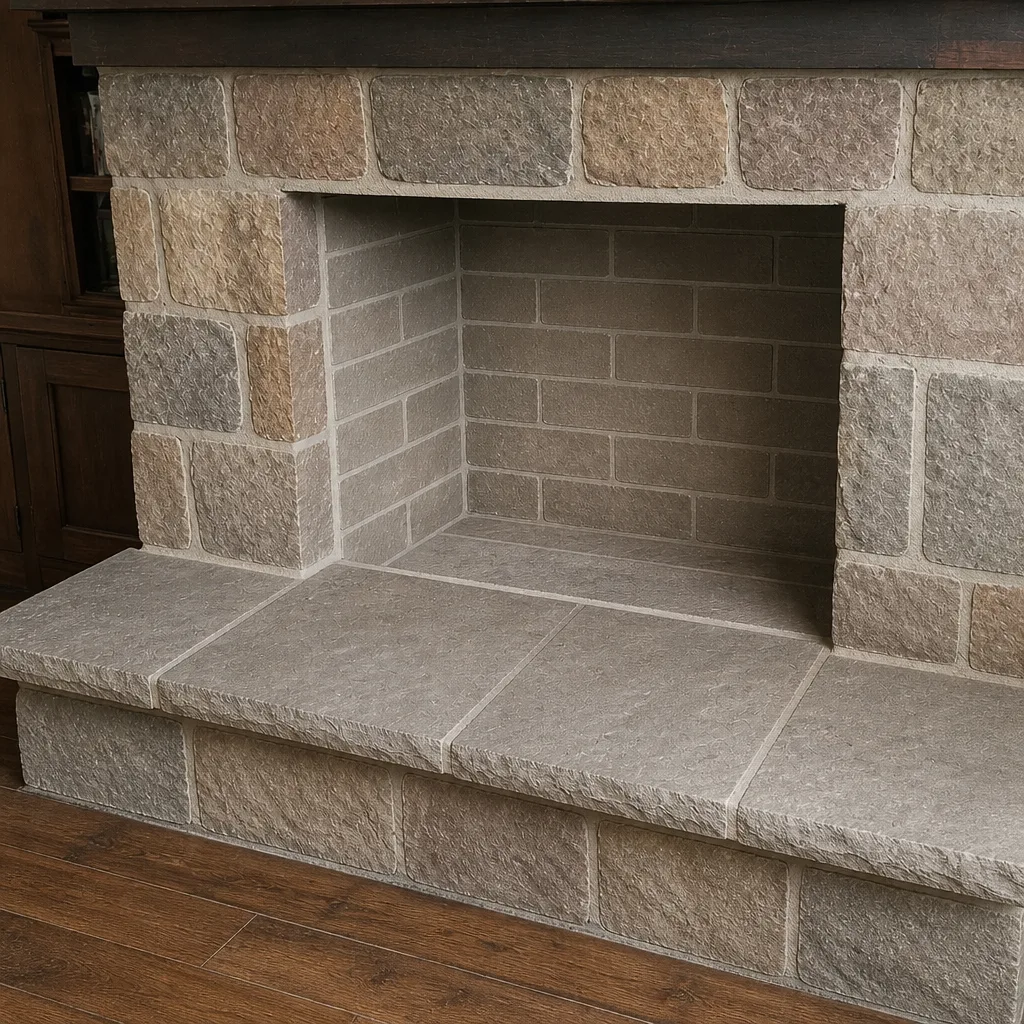
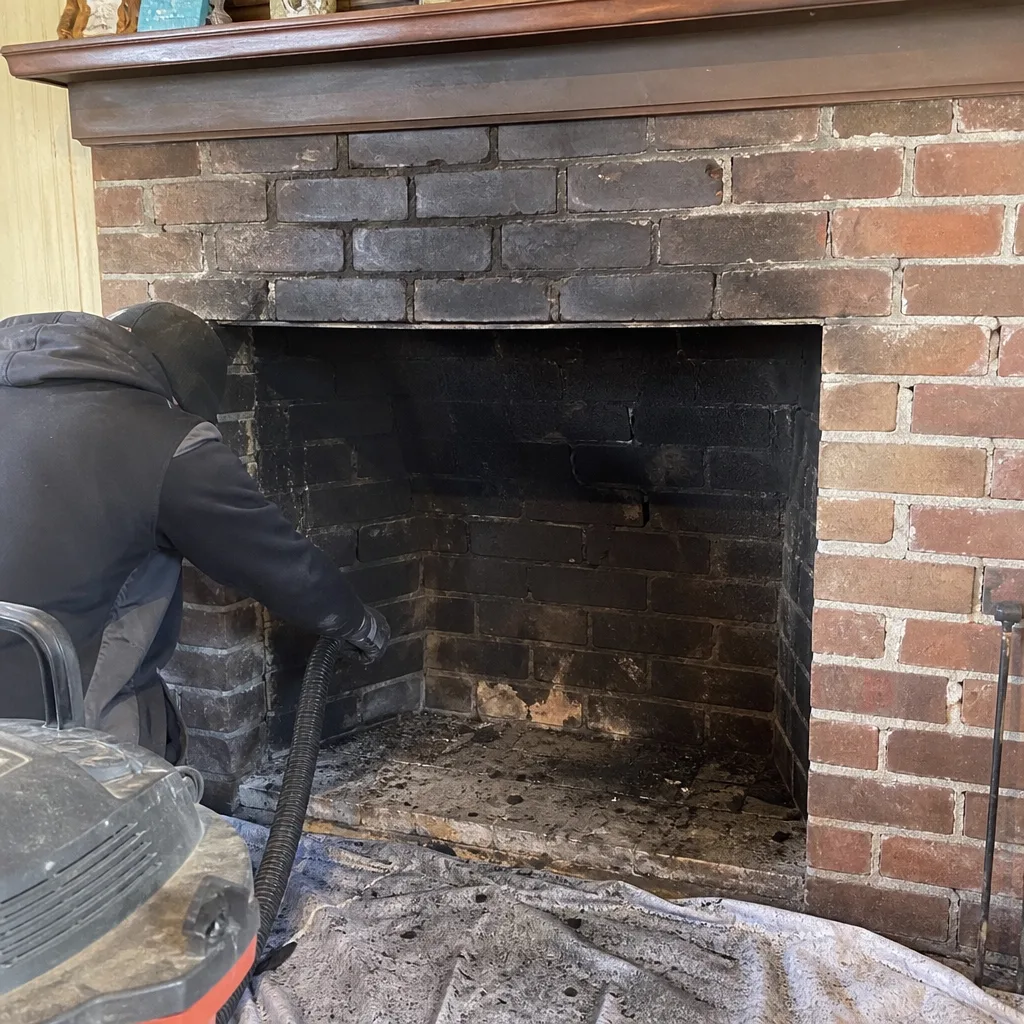
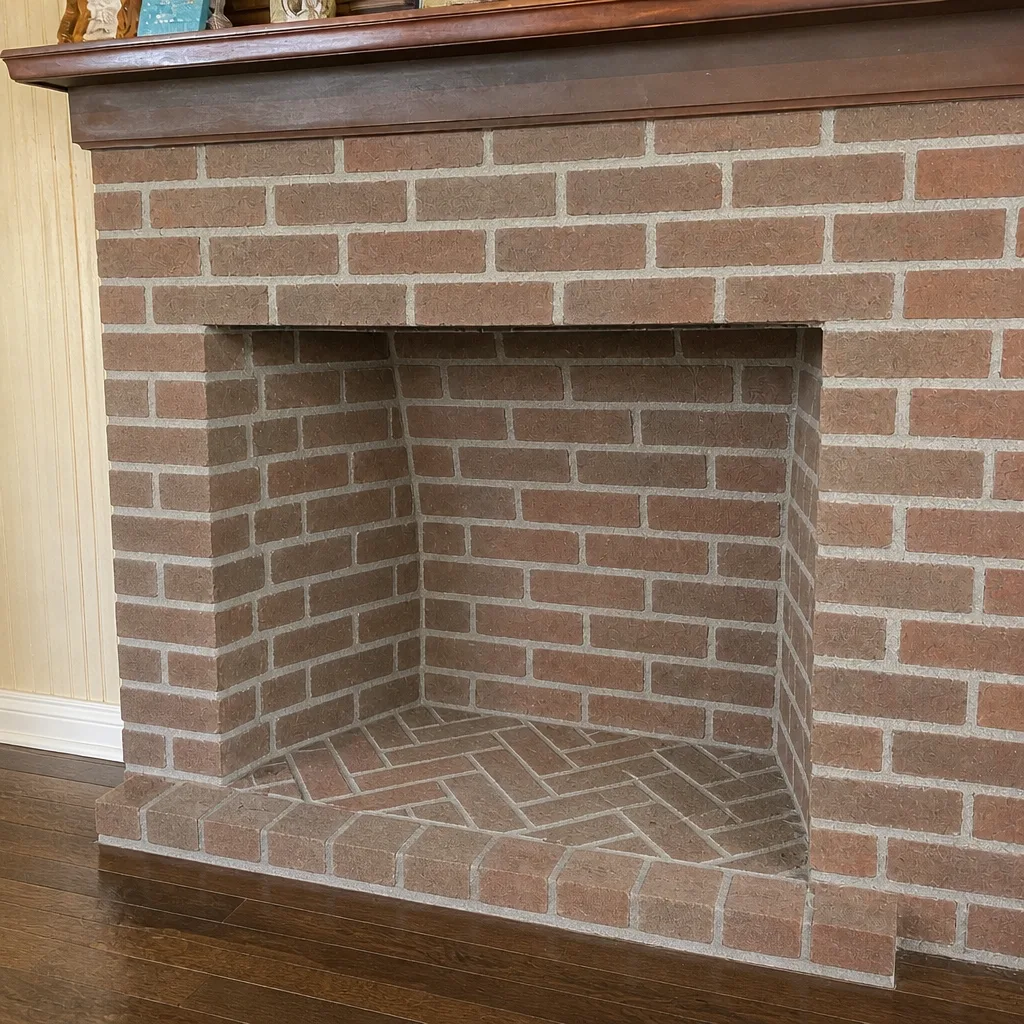
See the difference
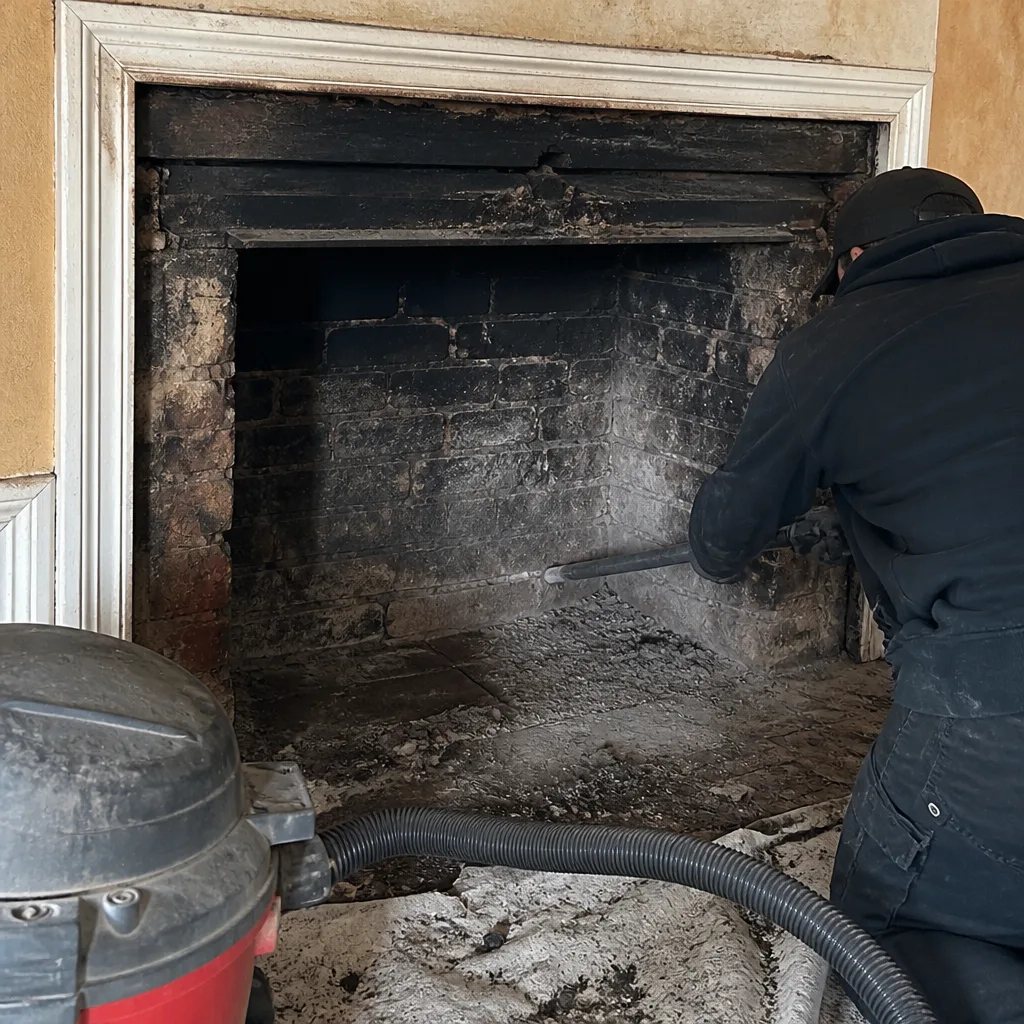 Before
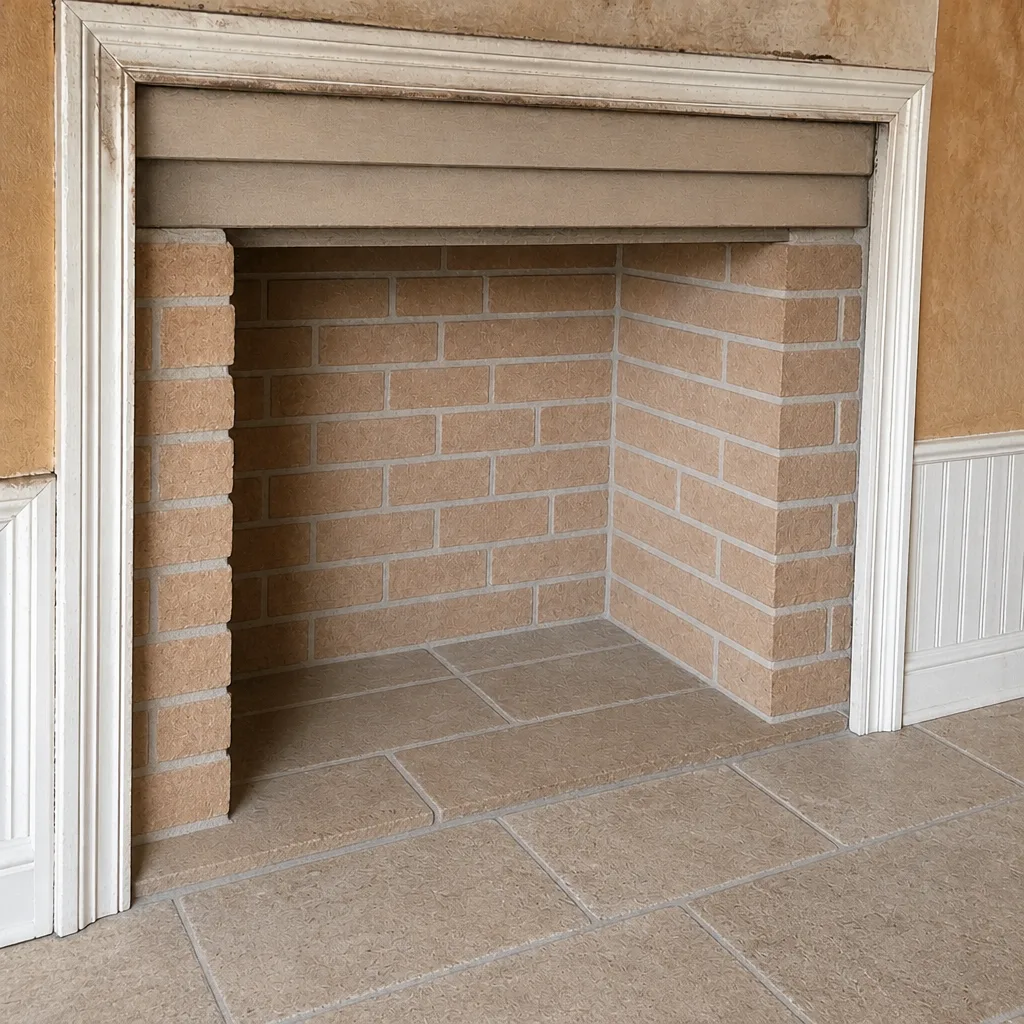 After
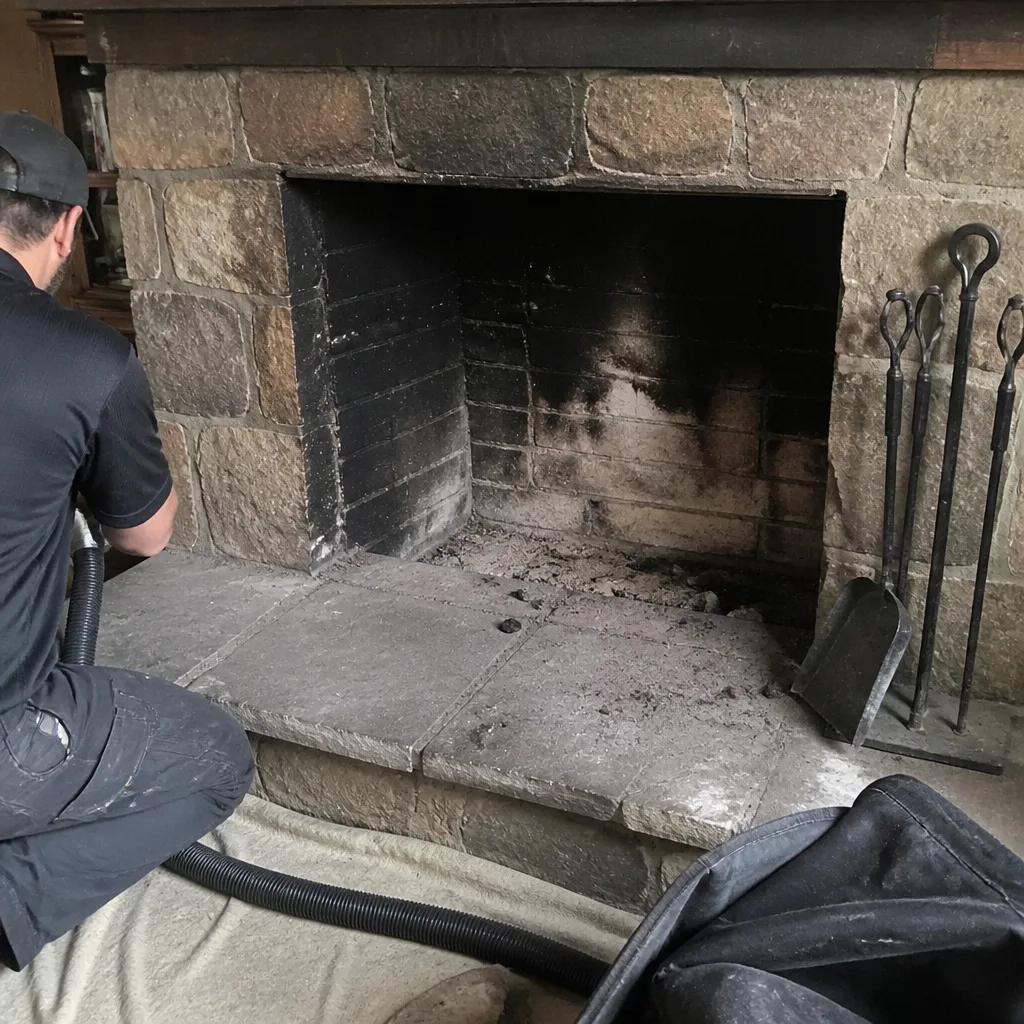 Before
 After
 Before
 After
When to Call a Professional
Call a professional before the first fire of the season if you haven’t had the chimney inspected in over a year, if you’ve had a chimney fire, or if you’ve moved into a home without maintenance records. Call sooner if you see a cracked firebox, missing cap, water staining, or a significant change in smoke draw. Any of these is a reason to schedule a professional look, not an emergency. If you smell gas or suspect carbon monoxide, leave the home and call 911 first.
For everything else, a timely appointment beats an urgent one. Chimney Sweep Parkside offers free estimates in Parkside. Call (877) 770-1394. We answer 24/7. Fast dispatch from 7am to 7pm, Sunday through Friday. Our technicians have up to 11 years of experience, and we work on chimneys and nothing else.
Frequently Asked Questions
Prices vary by the condition of the chimney and the work required, and the written estimate is what sets the final price. Call (877) 770-1394 for an exact quote, because estimates are free and the visit itself determines what’s actually needed.
Not necessarily, and that’s the honest answer. A new liner is right when the existing flue is cracked, unsized for the appliance, or too damaged to restore. A camera inspection tells you which situation you’re in. If the flue is intact, resurfacing with HeatShield can sometimes bring a deteriorating liner back into service without a full replacement. Look at the footage before you decide.
Once a year for a chimney in regular use, plus an annual inspection regardless of whether the sweep is needed. Homes that burn a fire most nights from October through March should not skip a year. Call (877) 770-1394 to book both together.
Creosote accumulates, and creosote is combustible. That’s the real risk, and it’s why the annual sweep exists. Less dramatic but more common: small crown and flashing failures go unnoticed and become masonry repairs by the second or third winter. A timely call in the summer is inexpensive and prevents both outcomes. Estimates are free.
We replace caps and crowns as well as sweep. Cap and chimney cap & crown installation is handled in-house with Gelco and Famco components, and the same visit can include the sweep and inspection. Call (877) 770-1394.
Keep dated sweep reports, camera inspection reports with photographs, repair invoices, and any photos of the chimney over time. Your carrier may request these after a chimney fire claim. Check your specific policy for what’s covered; the documentation above is what puts you in a position to answer the question.
The Bottom Line
A chimney maintenance checklist works when it’s timed to the calendar and built around the specific points of failure that actually matter in Parkside. Schedule the sweep and inspection in July or August, not October. Check the crown, mortar joints, and flashing every spring. Photograph and document everything, because the file matters when you get an estimate or file a claim. Keep what you can check yourself separate from what needs a camera. And when a professional recommends work, ask to see the footage. The Chimney Sweep Parkside team handles sweeping, repair, cap and crown work, fireplace repair, and inspection as one service. Call (877) 770-1394 for a free estimate.
Written by the team at Chimney Sweep Parkside.